
They speak not of grand victories or dramatic rescues, but of ordinary courage dressed in hospital gowns and measured in small, hard-won movements.
These are the moments that linger long after the headlines fade—when exhaustion presses heavy, yet something deeper refuses to yield.
For families facing the unimaginable, such glimpses become lifelines. They whisper that the human spirit can still surprise us, even when the body has every reason to surrender.
This is one of those stories.
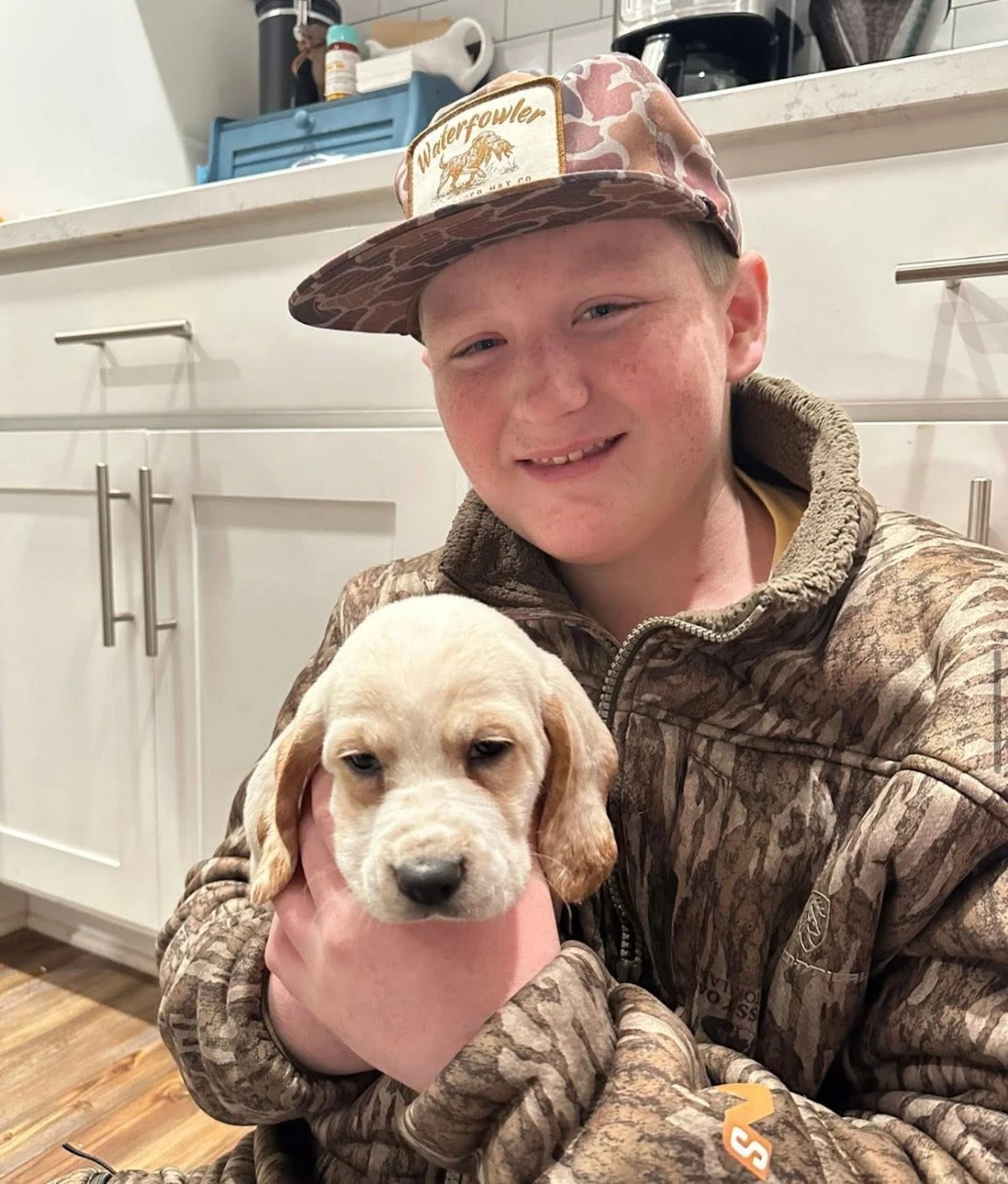
In the rolling hills of rural Alabama, life once followed a predictable rhythm of school days, family dinners, and weekend hunts. A teenage boy dreamed of the woods, of casting lines into quiet waters, of growing into the kind of man who measured strength not by bravado but by quiet resolve. Then, without warning, everything changed.
The diagnosis arrived like a storm in January 2025: stage 4 osteosarcoma, a rare and ferocious bone cancer. What began as pain dismissed as growing aches revealed itself as something far more relentless. By the time the family understood the full scope, the disease had already begun its aggressive march through his young body.
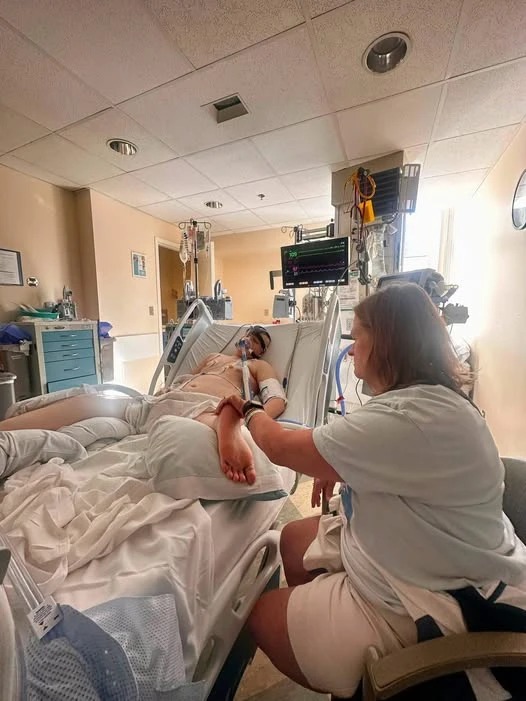
Surgeries followed. An amputation. Treatments that tested every limit of endurance. Yet through it all, the boy’s parents watched their son confront each new blow with a maturity that belied his fifteen years.
They had heard the statistics. They had sat across from doctors who spoke in careful, measured tones about odds and realities. Two specialists looked them in the eye and admitted they had never seen a survivor at this stage. The words hung heavy in sterile rooms, but the family refused to let them define the fight.
Faith became their anchor. Not the polished, easy kind that promises quick miracles, but the raw, tested variety forged in waiting rooms and sleepless nights. The mother, Brittney, poured her energy into research, searching for any path forward.
The father, Jason, stood steady as the family’s rock, even as worry etched deeper lines on his face.
Together they navigated a maze of medical systems, insurance battles, and the crushing weight of watching their child endure what no parent should witness.
Then came the breaking point—one the boy chose to face alone.
Without telling his parents, he picked up his mother’s phone. Logged into her account. And recorded a video that would ripple far beyond their small community in Ralph, Alabama. In it, he spoke with startling honesty about fear, about watching his family cry, and about the experimental treatment his mother had discovered but could not access.
He wasn’t asking only for himself. Even then, he thought of other kids who might face the same road. The video spread rapidly—millions of views, shares from everyday people and public figures alike. Support poured in from across the country, including voices as prominent as Dr. Mehmet Oz, members of Congress, and even the highest levels of government.
Doors that had seemed permanently closed began to crack open.
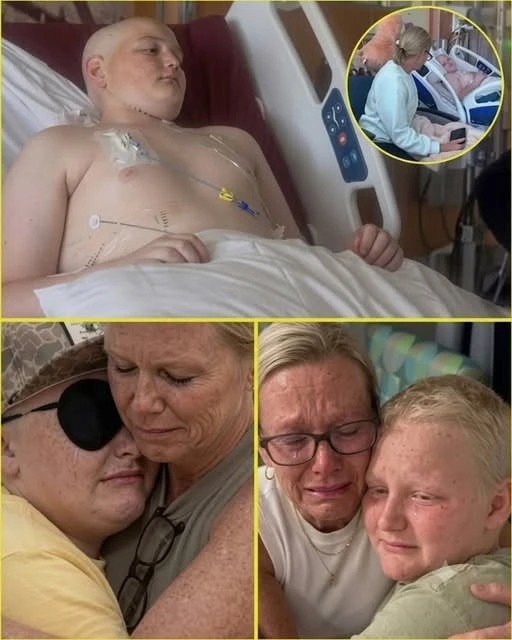
By early May 2026, the family had relocated to California. There, in Santa Monica, the boy started receiving DeltaRex-G, the gene therapy his family had fought so hard to reach. The journey came with new challenges: side effects, scans that brought mixed news, and the cancer’s stubborn persistence.
It spread further, reaching his brain and causing severe eye pain and double vision that required radiation and constant adaptation.
Through every trial, updates from the family painted a portrait of quiet determination.
Sunset watches by the Pacific with his best friend. Small celebrations after each treatment. And always, the steady drumbeat of prayer—from their Alabama community, from strangers online, and from the boy himself.
He spoke openly about his fears, yet consistently returned to gratitude and hope. “God is bigger,” he would say, giving credit not to his own strength but to something greater sustaining him. His parents marveled at his mental resilience, even as his body fought exhaustion.
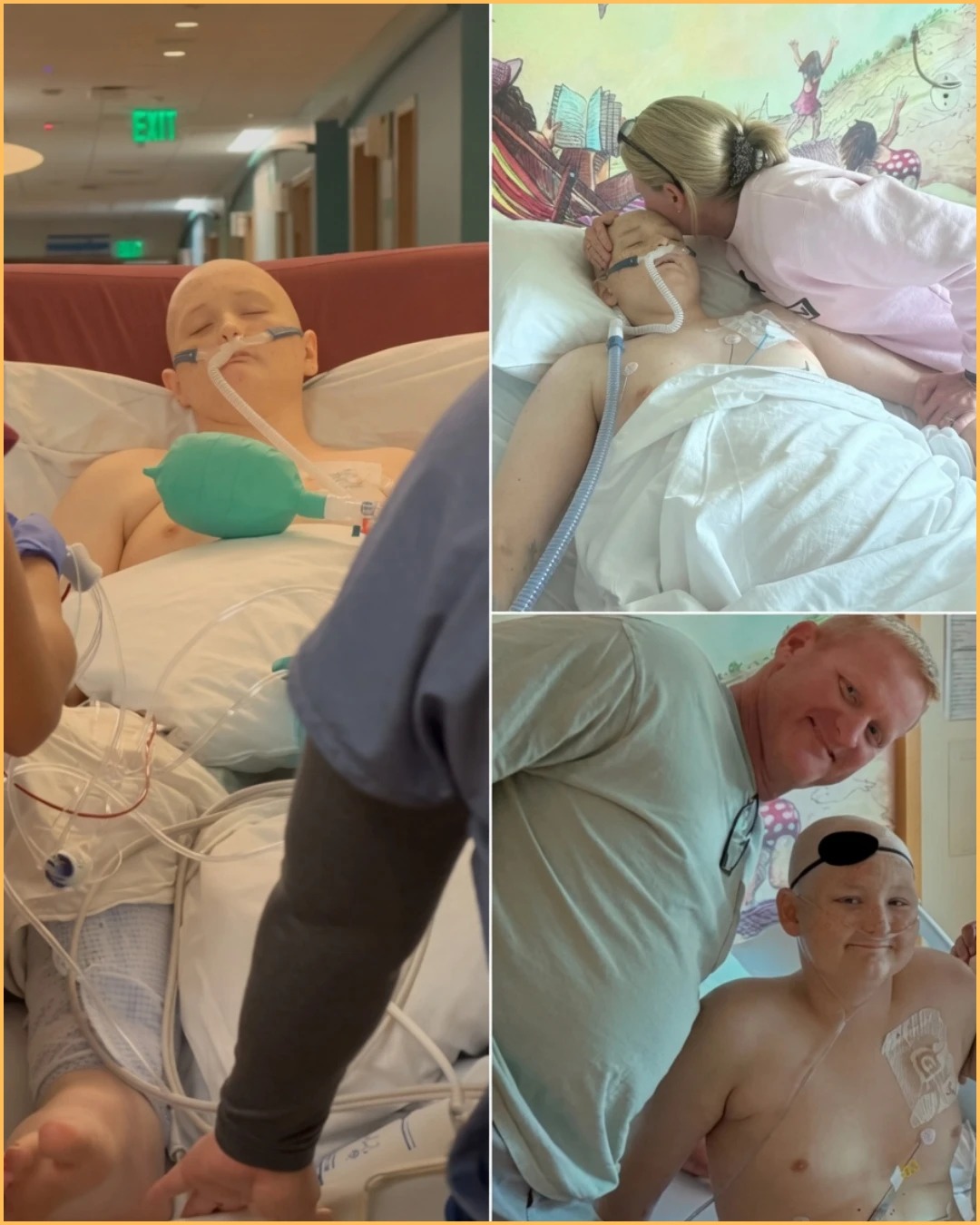
It is easy, from a distance, to admire such stories in abstract terms. We scroll past them, offer thoughts and prayers, then return to our routines. But to stand in the room where hope and despair wrestle daily is something else entirely. Nurses who have seen countless battles find themselves moved. Family members who have cried enough tears to fill rivers discover new reasons to believe.
One such moment captured everything.
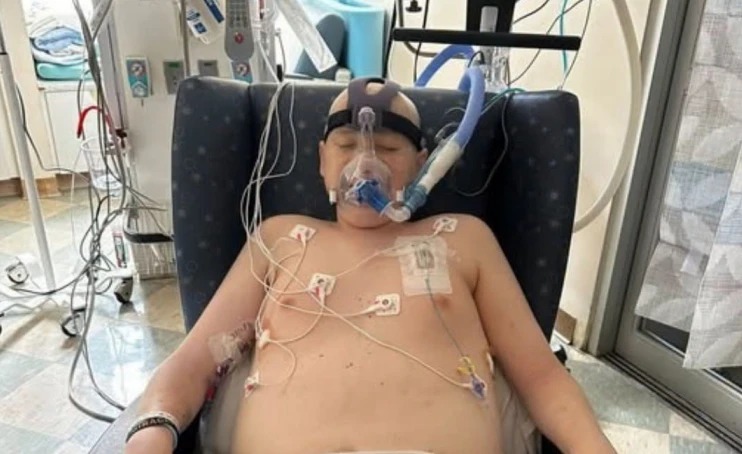
Despite days of grueling treatment and profound physical weariness, the boy made a simple but profound choice. With effort that spoke volumes about his inner fire, he sat up in a chair.
It was not a grand gesture. No cameras rolling for spectacle. Just a teenage boy, pale and tired, choosing to lift himself against the pull of gravity and fatigue. To his family, it was everything. A wordless declaration that he was still in the fight. Still reaching for life with both hands.
The nurses paused in their rounds, visibly touched by the sight. His parents stood speechless, hearts swelling with a mixture of pride, love, and renewed hope. In the long corridor of worry that had become their daily reality, this single act shone like a beacon. It reminded everyone present that resilience is not the absence of exhaustion—it is what we do when exhaustion feels overwhelming.
Tears flowed freely. Prayers gained fresh urgency. And for a moment, the weight of the battle lifted just enough to let light through.
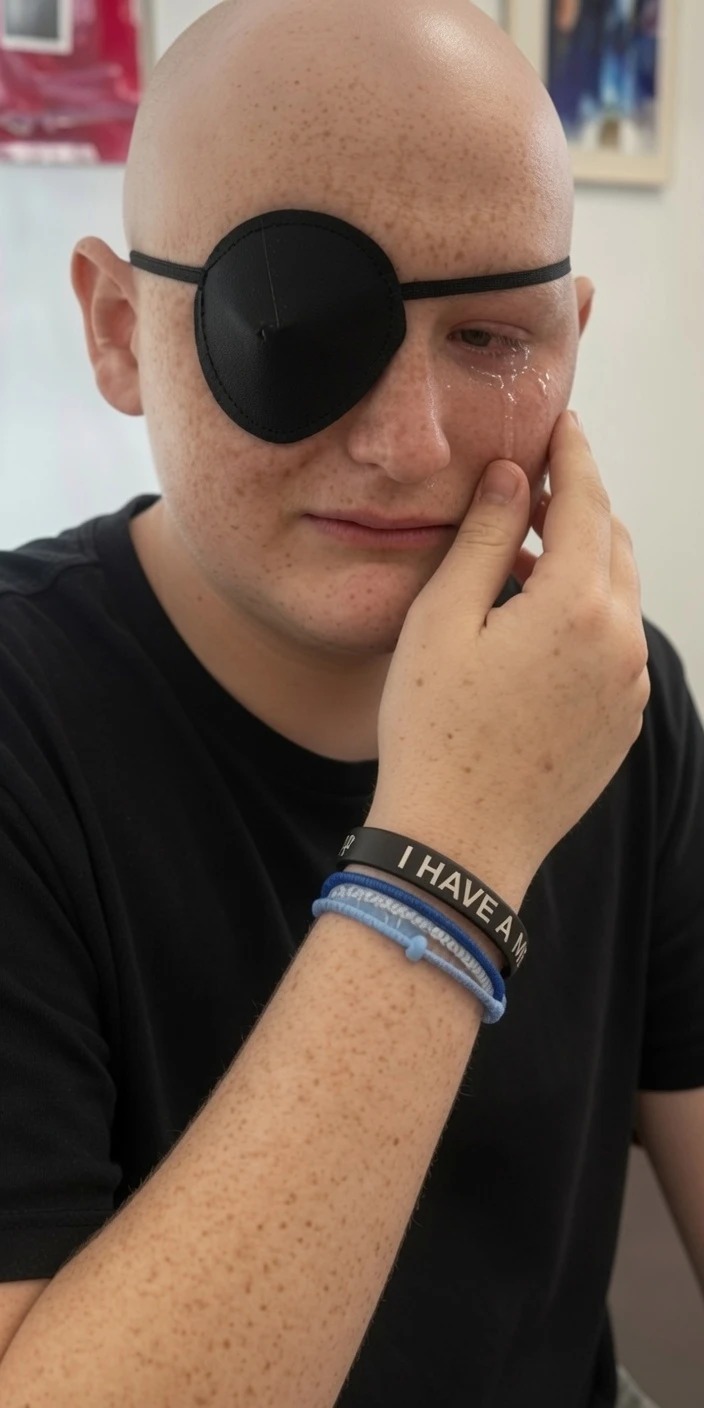
Medical updates continued to reflect the complexity of his condition. Scans showed encouraging reductions in some areas, yet the road remained uncertain. Brain tumors required targeted radiation. Vision struggles tested his patience daily.
Still, he spoke of returning home to Alabama, of deer season, of normal days that once seemed ordinary but now felt precious.
His story has raised hundreds of thousands of dollars for treatment and awareness.
More importantly, it has touched countless lives, reminding older generations especially of truths we learn with age: that character reveals itself most clearly in adversity, that family bonds deepen in crisis, and that hope often arrives in the smallest packages.
For those of us who have lived long enough to bury loved ones or face our own health battles, Will Roberts’ journey resonates on a profound level. We understand the slow ticking of hospital clocks. We know the ache of wanting to shoulder pain for our children. And we recognize the quiet heroism of continuing when quitting would be easier.
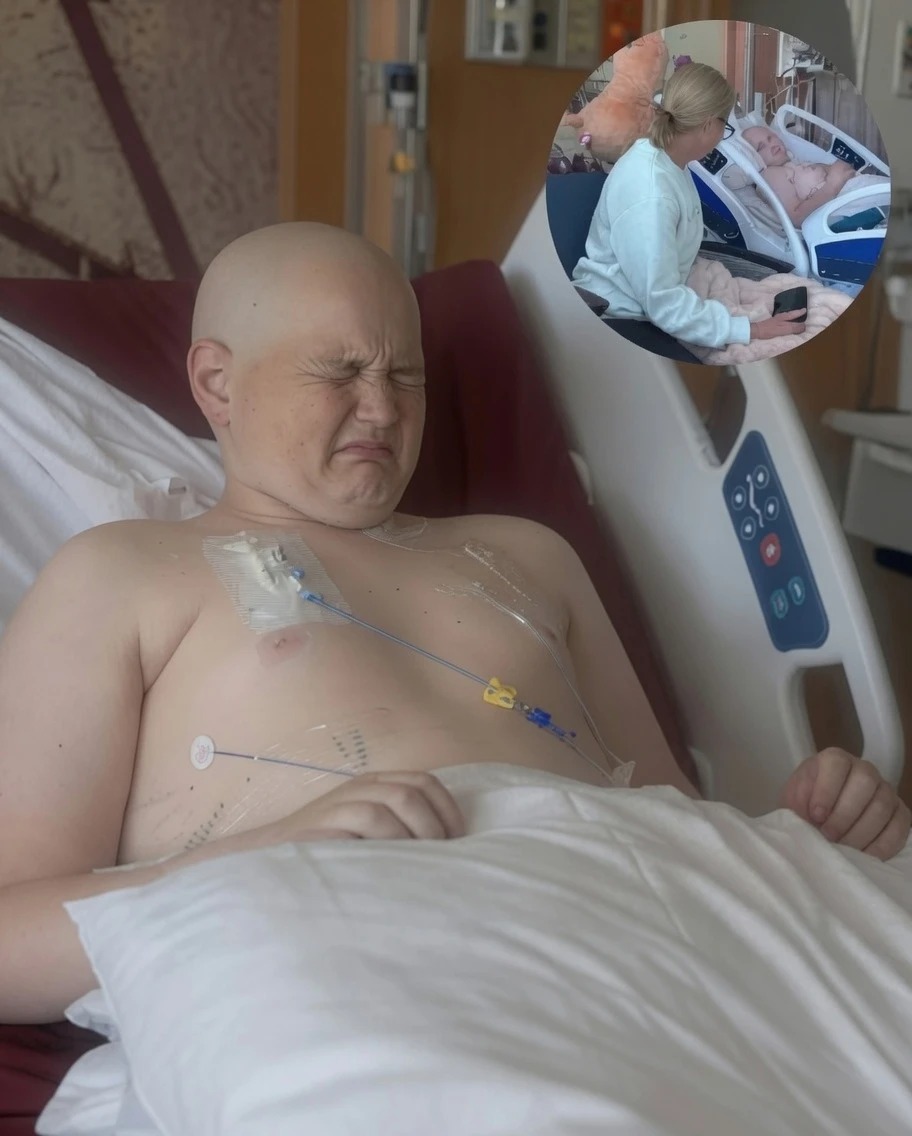
What makes this young man’s spirit so compelling is not youthful invincibility, but something far rarer: a mature acceptance of his circumstances paired with stubborn refusal to be defined by them. At an age when many peers chase fleeting thrills, he has confronted mortality with grace that many adults never achieve.
His parents often say the outpouring of support restored their faith in humanity. Strangers became prayer warriors. Communities rallied. Even high-profile figures moved quickly to help cut through red tape. In a divided world, this Alabama family’s struggle united people across lines of politics and background around a simple, universal cause: a child’s life.
Yet the true heart of the story remains in those private hospital moments. The ones no camera captures fully. The soft encouragement from a mother. The steady hand of a father. The boy’s own whispered prayers for strength—not just for himself, but for the family carrying the load alongside him.
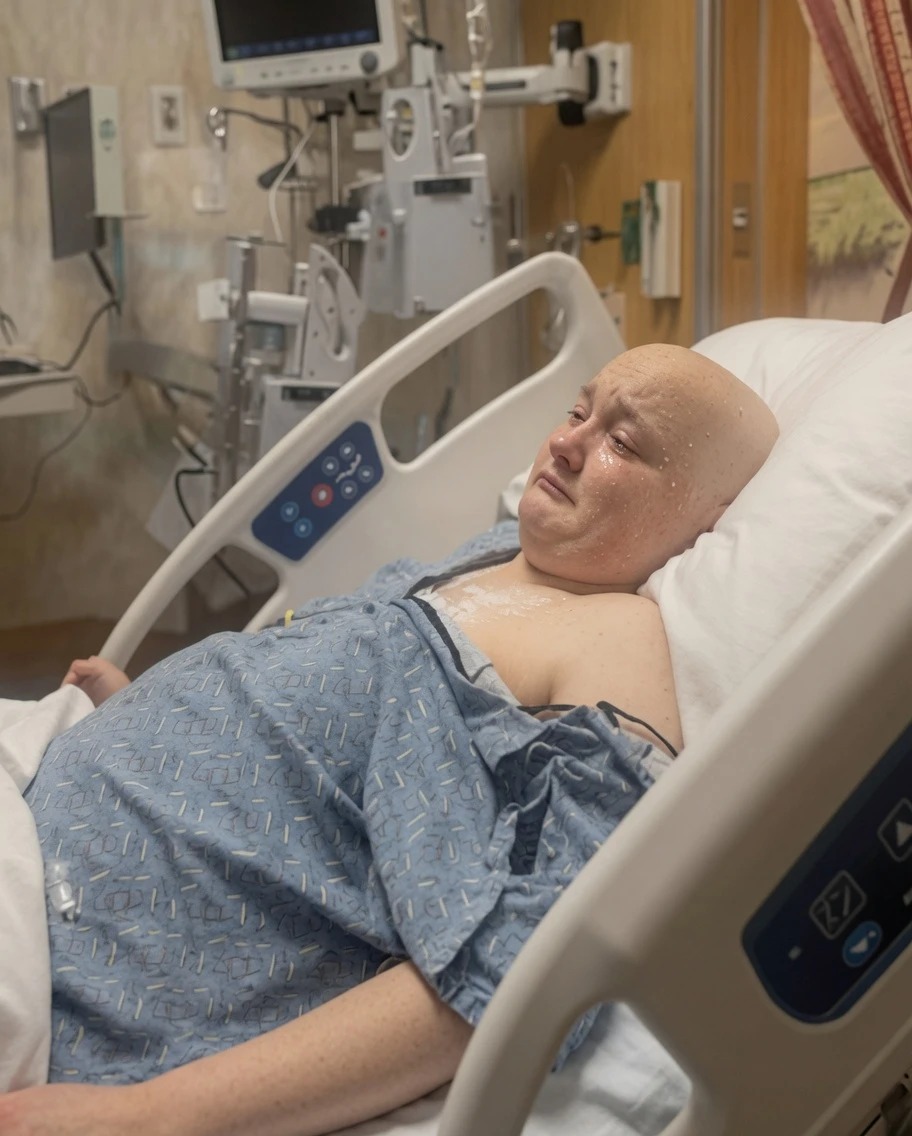
As summer 2026 unfolds, the fight continues. Treatments press forward. Scans bring new data points in an ongoing narrative. The family asks only for continued prayers: for healing, for wisdom for the doctors, for relief from pain, and for the boy’s eyesight to improve so he can once again enjoy the outdoors he loves.
They know the outcome is not guaranteed. Cancer rarely offers neat endings. But they also know that every day their son chooses to sit up, to speak hope, to fight with dignity, represents a victory worth celebrating.
In the end, perhaps that is the deepest lesson for all of us, especially those of us further along life’s path. True strength is rarely loud. It shows up in exhausted bodies that still choose to rise. In families that refuse to break. In communities that remember how to care.
And sometimes, it looks like a fifteen-year-old boy in a hospital chair, defying exhaustion with nothing more than the quiet force of his will and faith.
A small movement. An enormous reminder. That as long as there is breath, there is reason to hope.