
In the hushed corridors of a pediatric intensive care unit, the most powerful statements are rarely spoken aloud.
They unfold instead through small, deliberate acts that defy the weight of exhaustion and uncertainty.
These moments arrive unannounced, carrying a quiet eloquence that no medical chart can fully capture. For those who have kept vigil at a loved one’s bedside, they become treasures — fragile yet luminous reminders that the will to endure can shine brightest in the darkest hours.
Such stories have always moved us, especially as we grow older and wiser to life’s unpredictable rhythms.
They speak not only of medical battles but of the deeper human capacity for hope when logic suggests surrender. In one Alabama family’s journey, a simple piece of furniture has quietly taken on that sacred role.
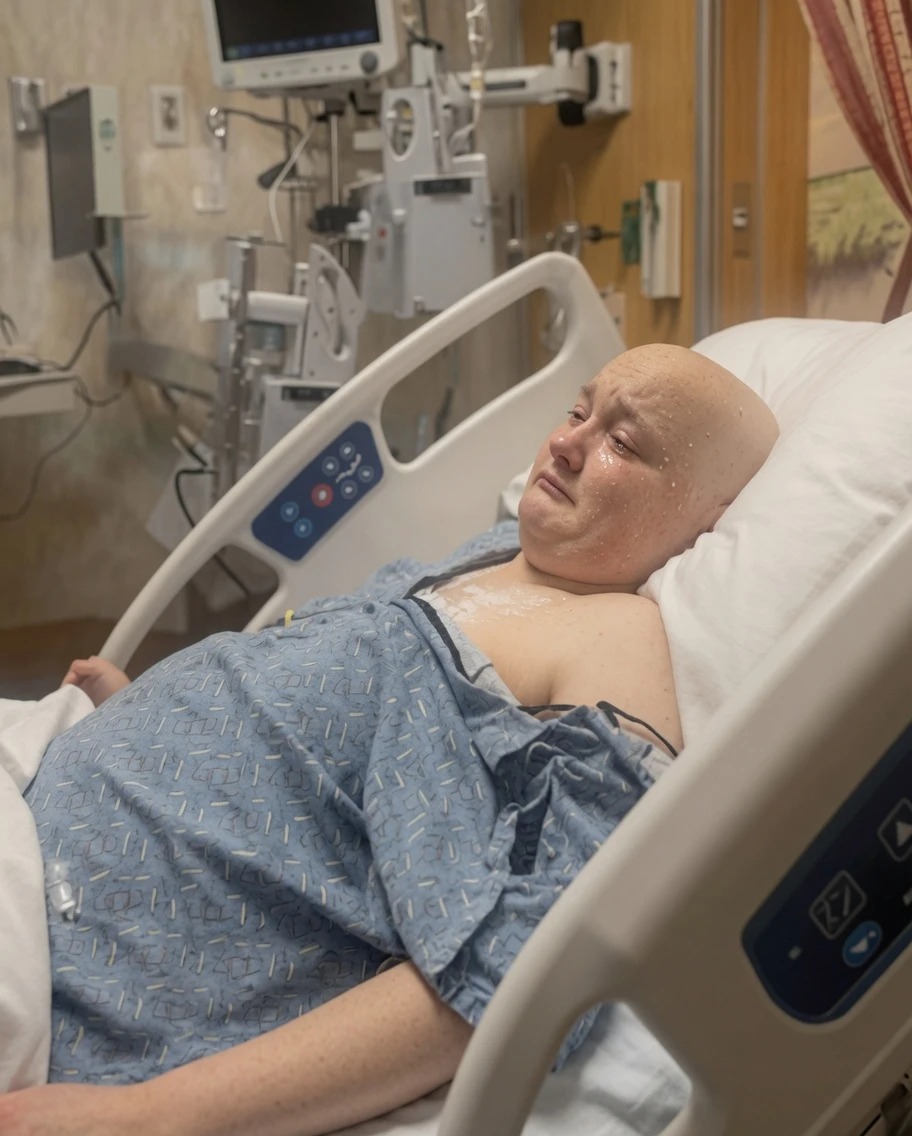
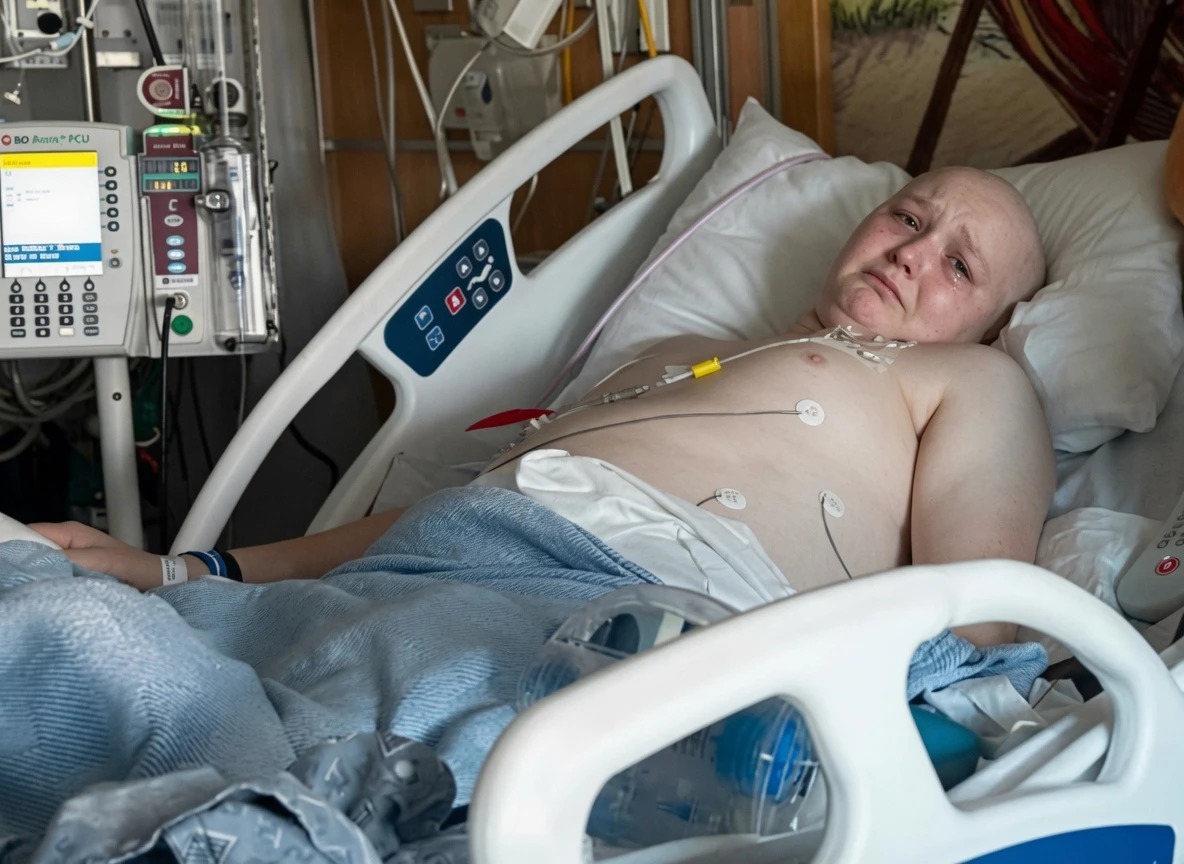
Will Roberts is only fifteen, yet he has already walked a path that would test the resolve of many adults.
Diagnosed with stage 4 osteosarcoma in January 2025, his young body has endured amputation, aggressive chemotherapy, experimental therapies, and the relentless spread of disease.
Through months of treatment in California, far from the familiar landscapes of home, he and his family have faced each new challenge with remarkable steadiness and deep faith.
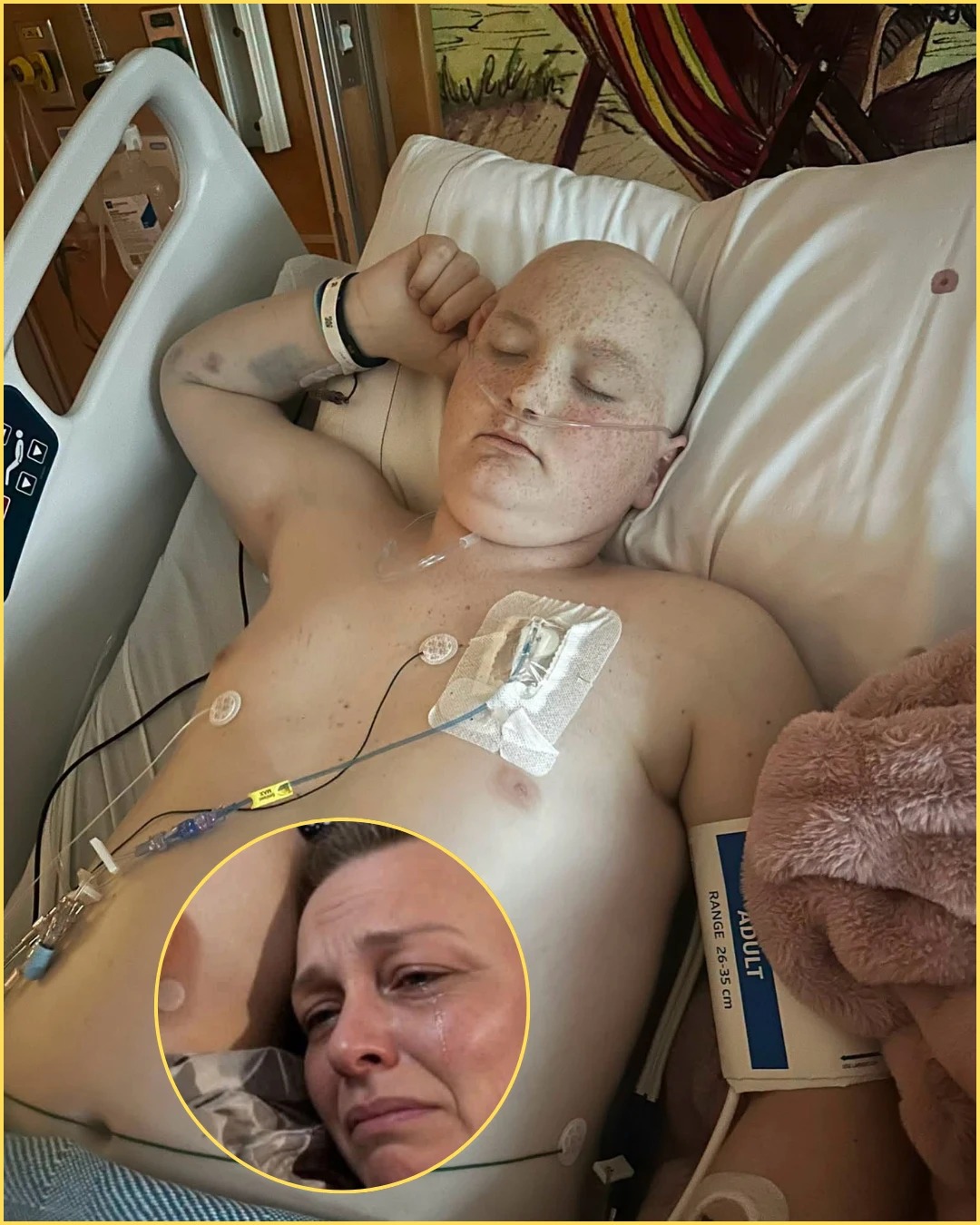
The Pediatric Intensive Care Unit demands constant vigilance. Monitors track every vital sign.
Doctors adjust treatments in response to shifting lab results. Families learn to live between hope and caution, celebrating small improvements while preparing for potential setbacks.
It is a world where time feels both endless and achingly brief.
Will’s parents, Brittney and Jason, have shared updates that reflect this delicate balance. They speak honestly about fears and difficulties while also highlighting their son’s enduring spirit.
Their words have drawn thousands into a wider circle of concern and prayer, creating a community that spans states and backgrounds.
For readers who have reached the later chapters of life, these accounts carry special resonance.
We remember our own seasons of waiting — whether for a child’s recovery, a parent’s final days, or personal health struggles. We understand how ordinary hospital rooms can become sacred spaces where character reveals itself most clearly.
We know that true strength often looks less like dramatic triumphs and more like the decision to keep going, one hour at a time.
Will’s medical team has navigated complex waters throughout his care.
Kidney function requires careful monitoring. Platelet counts fluctuate, influencing treatment safety. Fluid balance must be managed with precision to avoid complications. Each day brings new information that shapes the delicate art of balancing aggressive therapy with the body’s need for stability.
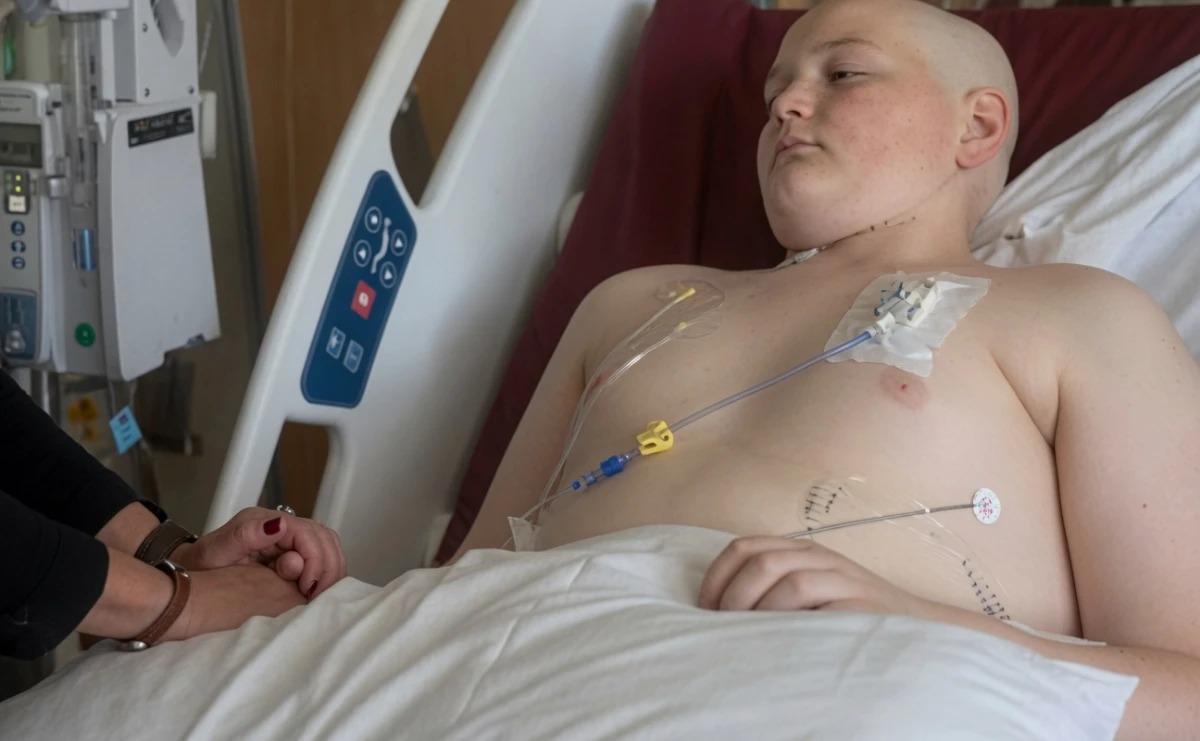
Despite these challenges, Will has continued to demonstrate a determination that touches everyone around him.
His journey with DeltaRex-G and other interventions reflects both cutting-edge medicine and the profound role of human resilience. Supporters back home in Alabama and across the country have responded with consistent prayers, adopting his fight as their own.
In the broader narrative of his illness, one recent day stands apart not for dramatic medical breakthroughs but for something more intimate.
Inside the PICU, an ordinary recliner became far more than a place to rest.
After everything his body had endured — the fatigue, the treatments, the careful adjustments required by his medical team — Will chose to remain sitting upright. He stayed in that position for more than eight hours.
His family watched with a mixture of awe and protective caution.
They understood the significance of the moment yet hesitated to celebrate too soon, knowing how quickly circumstances can shift in intensive care. Still, they could not ignore what they were witnessing: a fifteen-year-old boy summoning the strength to stay upright when rest would have been far easier.
That same day brought new concerns.
Doctors adjusted treatment plans with thoughtful precision. Yet even amid these adjustments, Will’s quiet persistence offered those at his bedside another reason to hold onto belief.
In the language of the hospital, it was a small victory. In the language of the heart, it felt like something deeper — a visible sign of the fight that continues within him.
Many who follow Will’s story find themselves particularly moved by these kinds of updates.
They remind us that progress in serious illness is rarely linear. It reveals itself in increments: a longer period of alertness, a moment of determination, a family’s renewed sense of possibility.
For older generations who have learned patience through decades of living, such details carry special meaning.
Will’s experience also highlights the vital importance of community.
From athletic departments in Alabama that adopted him months ago to prayer gatherings near and far, people continue showing up in meaningful ways.
These acts of solidarity provide strength that medicine alone cannot supply. They affirm that no family walks this road entirely alone.
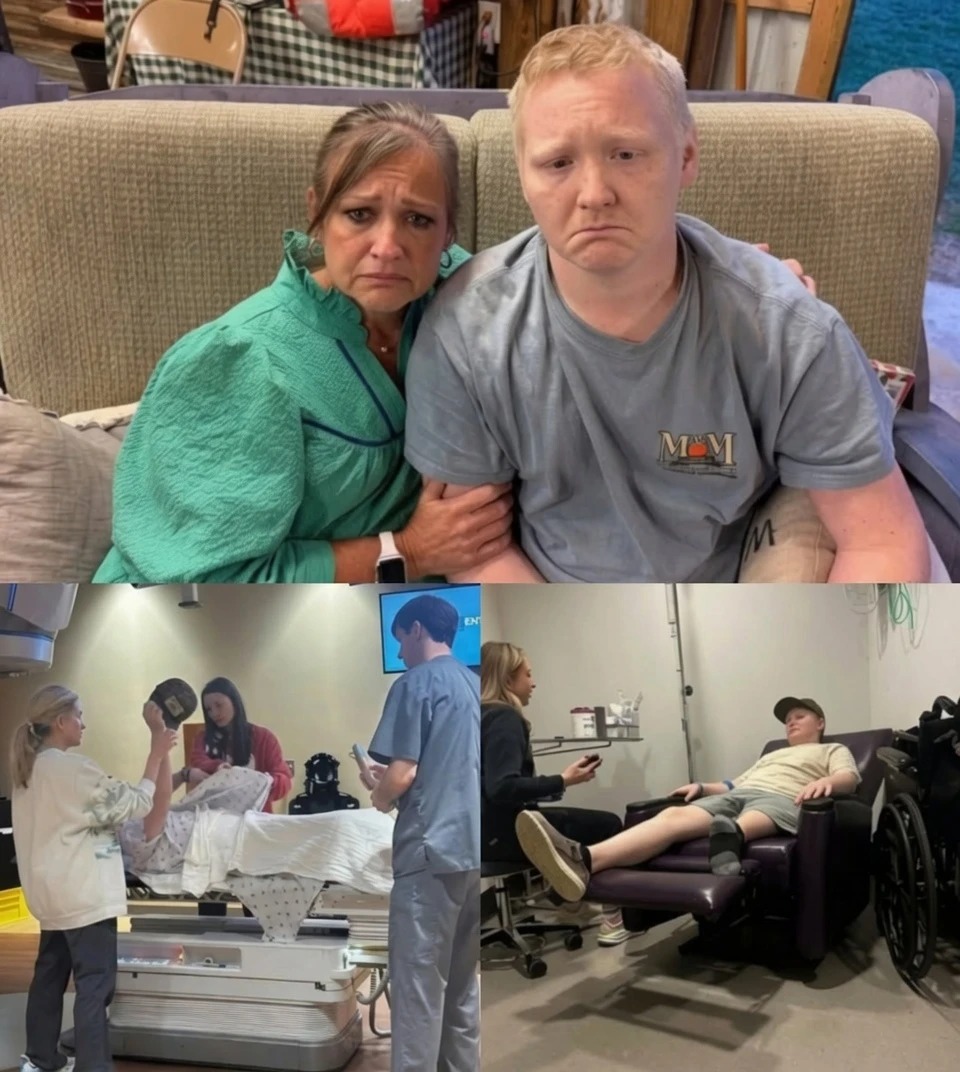
His parents have often emphasized their trust in God’s sovereignty even as they advocate fiercely for their son’s care. This blend of practical action and spiritual surrender resonates with many who have faced life’s hardest trials.
It offers a model of dignified endurance that transcends any single diagnosis.
As the recliner episode settled into memory, it left behind a powerful impression.
What began as an ordinary piece of hospital furniture had become a symbol of something no medical report could fully explain. In choosing to remain upright for those many hours, Will offered his family and caregivers a glimpse of the resilient spirit that has defined his journey from the start.
The road ahead remains uncertain, as it does for so many facing advanced cancer. Treatment continues with careful monitoring. Prayers persist for healing, protection, and strength. Yet moments like this one provide nourishment for the long journey — tangible evidence that the fight within him burns steadily.
For all of us who have loved deeply and lost much, Will’s story serves as both encouragement and gentle challenge. It asks us to consider what we might choose when faced with our own moments of profound weariness.
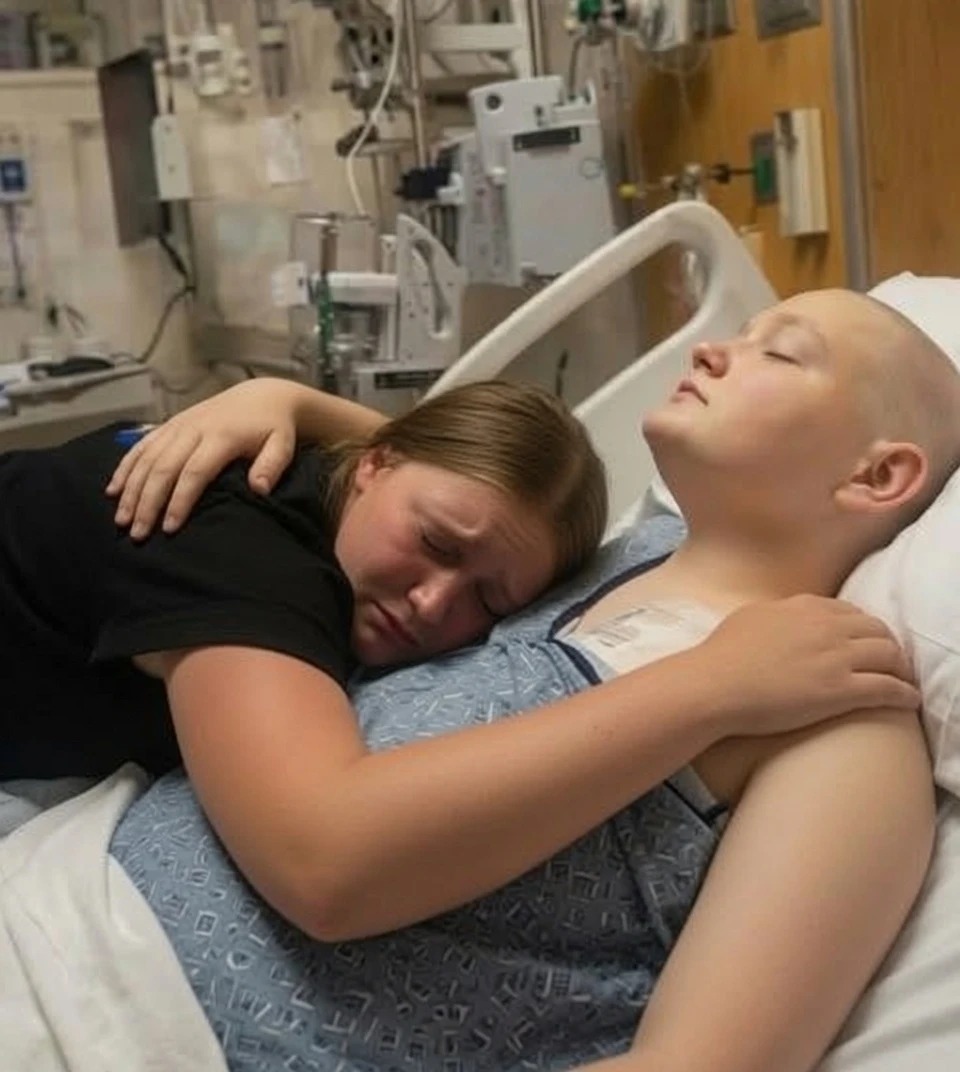
Will we sit up, even when it would be easier to lie down? Will we hold onto hope when numbers and statistics suggest otherwise?
In the end, the recliner in that PICU room may prove to be one of the most meaningful details in Will Roberts’ larger story. It was never about the chair itself, but about what a tired but determined boy chose to do while sitting in it.
That choice, witnessed by his family and medical team, became a quiet declaration of life’s persistent pull toward tomorrow.
Wherever you find yourself reading these words — perhaps in a comfortable chair at home or during a quiet evening moment — consider adding your voice to the many already praying for this young man. Pray for continued strength, for wisdom for his doctors, and for the kind of healing that touches both body and spirit.
Because sometimes, the most profound signs of hope arrive not with trumpets but in the quiet perseverance of a boy who simply refused to lie down.