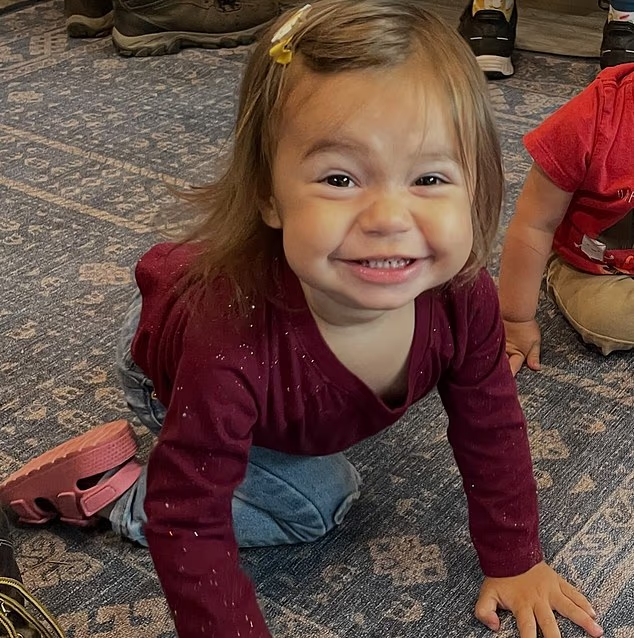
Nearly nine months after 84-year-old Nancy Guthrie vanished from her Catalina Foothills home near Tucson, Arizona, a fresh development has injected cautious optimism into one of America’s most high-profile unsolved abductions. Investigators from the Pima County Sheriff’s Department and the joint task force with the FBI recently traveled to Florida to meet in person with DNA laboratory scientists, discussing advanced strategies to wring new leads from stubborn forensic evidence.
The meetings, confirmed by the sheriff’s office in a late-October update on X (formerly Twitter), signal that authorities still see untapped potential in the complex DNA samples recovered from the scene. “The Nancy Guthrie Task Force continues to work with our labs in hopes of furthering our DNA analysis,” the department stated. “Earlier this month, investigators traveled to Florida to meet with lab scientists to see what more could be done to advance the case. A number of ideas were discussed.” Multiple specialized labs across the country—including facilities in Florida, Kansas, California, Arizona, and the FBI’s Quantico lab—are collaborating on the evidence.
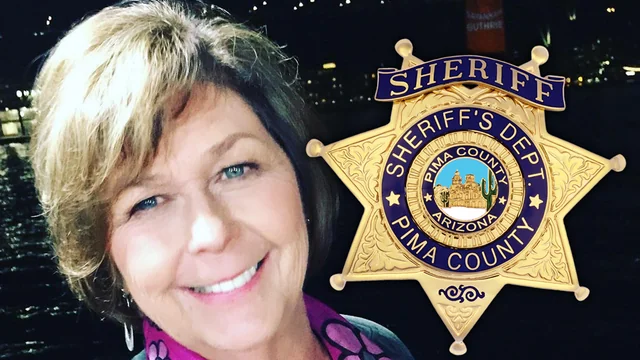
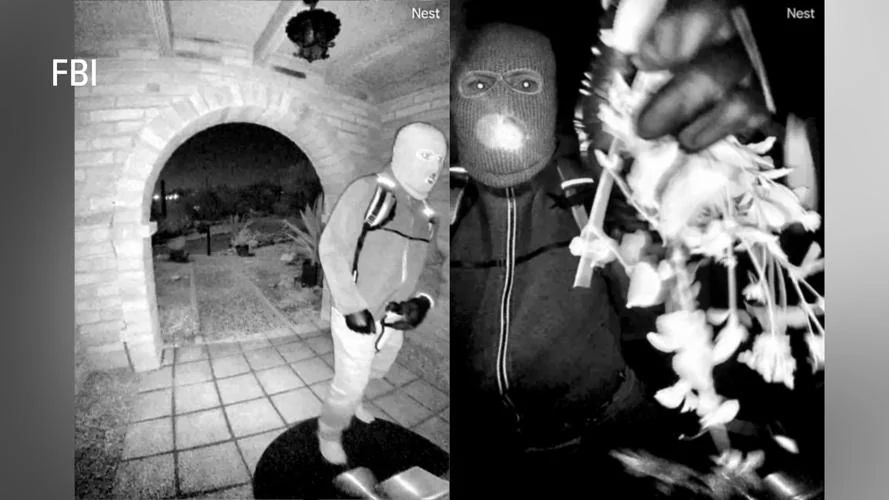
Nancy Guthrie, mother of NBC Today co-anchor Savannah Guthrie, was last seen on the evening of January 31, 2026. She was reported missing the next morning after failing to appear for a planned gathering. Blood matching Nancy was found near the entrance, her phone and medications left behind. Doorbell camera footage captured a masked figure—widely dubbed “Porch Guy”—tampering with the camera and wearing gloves and a backpack. Gloves resembling those in the video were later found nearby; DNA testing on them yielded no CODIS matches.
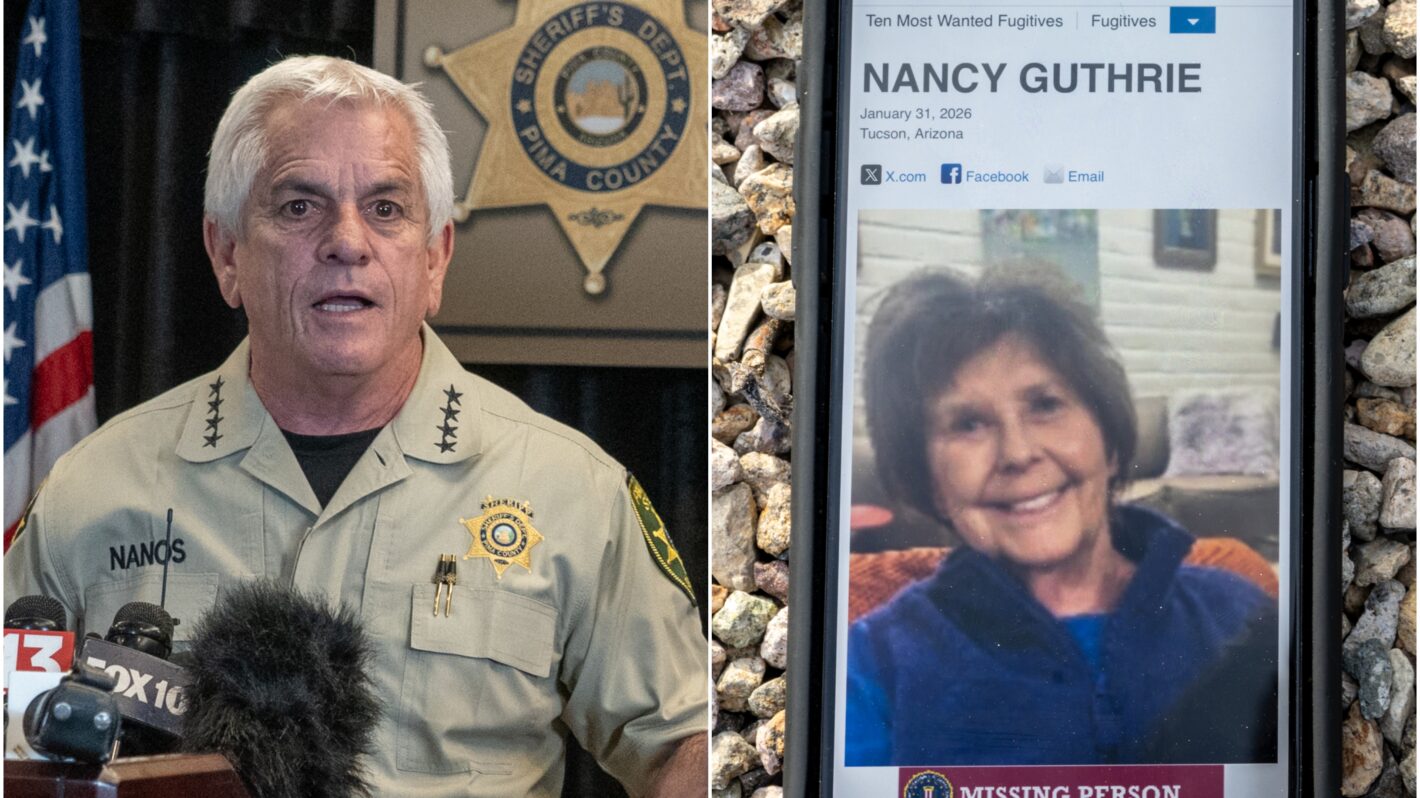
The core forensic challenge remains a mixed DNA sample from inside the home, containing genetic material from as many as four people and not matching Nancy, her family, or known close contacts. Early analysis produced only a partial profile unsuitable for standard database searches. A hair sample transferred (after initial processing at DNA Labs International in Deerfield Beach, Florida) to the FBI and other labs ultimately yielded no usable DNA profile. Sheriff Chris Nanos has long acknowledged the difficulties, noting early on that sorting the mixture could take weeks, months, or even a year as technology evolves. The initial decision to send evidence to the private Florida lab rather than directly to the FBI drew sharp criticism from forensic experts and genealogy firms like Othram, who argued it delayed advanced processing.
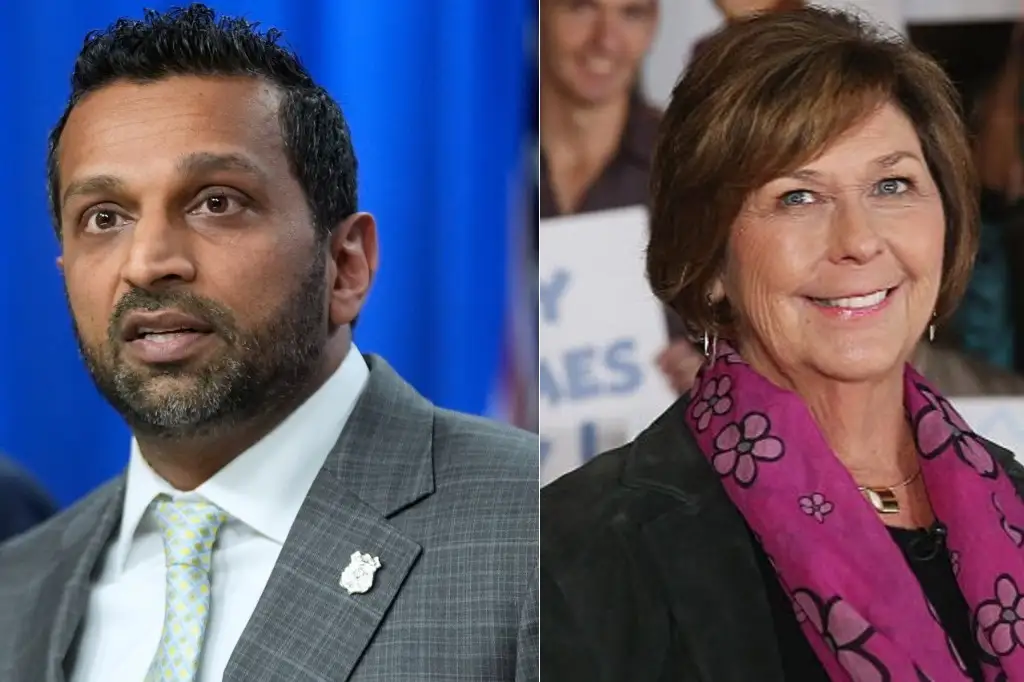
Retired FBI special agent Steve Moore sees the Florida trip as a positive indicator. The fact that detectives flew across the country for face-to-face discussions, rather than a simple call, suggests complicated scientific issues and potentially viable unidentified or partial DNA worth pursuing. “It doesn’t necessarily mean it’s going to be probative, that it’s going to make the case,” Moore cautioned. “But it means they probably have some unidentified DNA or partial DNA, and they’re trying to determine the best way to leverage it to see if it’s viable or not.”
Yet other experts sound a sharper warning: technology alone may never crack this mystery. Retired homicide detective Chris McDonough, speaking on NewsNation, criticized the heavy emphasis on the unknown male DNA. “I think the sheriff has put way too much emphasis on technology,” he said, urging a return to fundamentals—talking to people, mapping Nancy’s circle of influence, and classic gumshoe work. The mixed sample could belong to an innocent visitor, like a delivery person, and over-reliance risks sidelining human intelligence. Genetic genealogist CeCe Moore has similarly noted the extreme difficulty of deconvoluting multi-person mixtures for CODIS or investigative genetic genealogy, with some tech still emerging or unproven for such challenges.
Ransom notes have surfaced (some early ones viewed as potentially credible by the family; later ones ruled not credible), human remains searches in the desert and near the border have yielded nothing definitive, and rewards exceed $1 million from the family plus FBI offers. Savannah Guthrie has made emotional public pleas, including sharing her daughter’s drawing expressing longing for “Mommy” on the nine-month mark. No suspect has been named, and the family has been fully cooperative and cleared.
The Florida meetings represent a determined push amid a case that has tested local leadership, federal partnerships, and public patience. While advanced DNA work offers a glimmer of scientific hope, seasoned investigators insist the breakthrough may come from tips, interviews, or re-examining the human elements surrounding an 84-year-old woman taken by force in the night. Authorities continue to urge the public: no tip is too small. Contact 88-CRIME or 1-800-CALL-FBI.
This remains an active investigation. Justice for Nancy Guthrie demands both cutting-edge science and relentless traditional policing—because in the