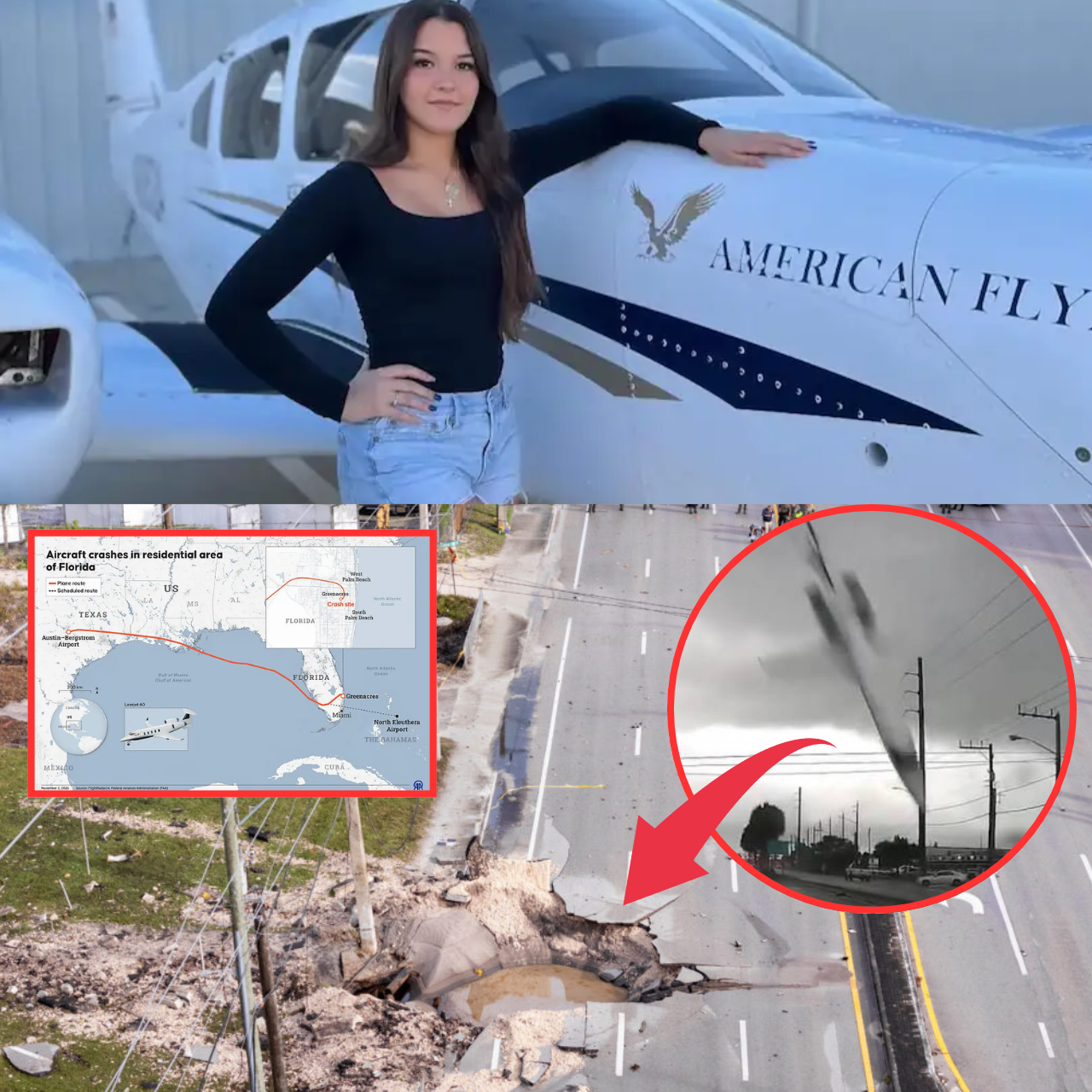
The Learjet left a crater near a busy road in Greenacres, Florida. But one of the most important pieces of evidence was found almost four miles away.
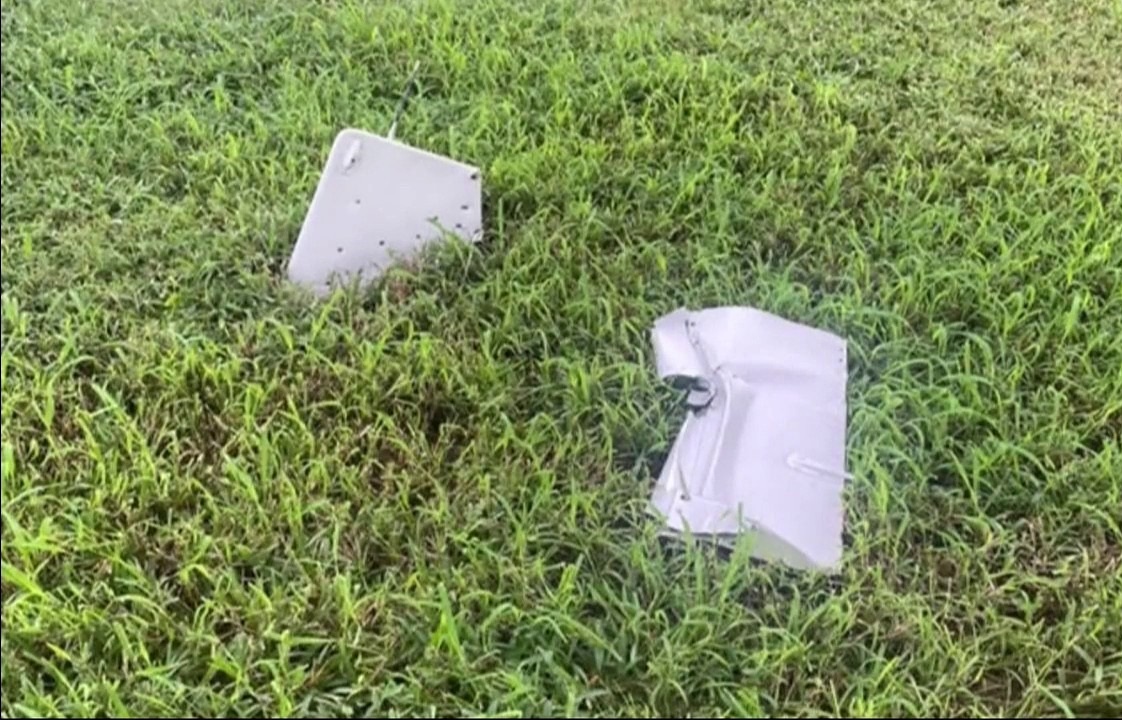
At a November 3 briefing, National Transportation Safety Board member Tom Chapman said search teams had recovered most of the jet’s left elevator in three pieces. The fragments were found between 1.3 and 3.8 miles from the impact site. Their locations showed that parts of the aircraft had broken away before it hit the ground. Investigators now face a harder question. Did the tail damage contribute to the loss of control, or did it happen after the jet was already in trouble?
Why the three pieces matter
The elevator is a movable surface at the tail that helps control whether the aircraft’s nose points up or down. During a steep descent, that control matters because raising the nose is part of recovering from a dive. Chapman said investigators still had to determine whether losing the component contributed to the emergency or whether forces on the aircraft caused it to break away during the descent.
The distances tell investigators where the pieces landed. Determining when they separated is a separate part of the work. By comparing the recovery locations with the jet’s flight path and examining the fractured parts, investigators can work toward placing the breakup in the sequence of events.
A request to climb was followed by a Mayday
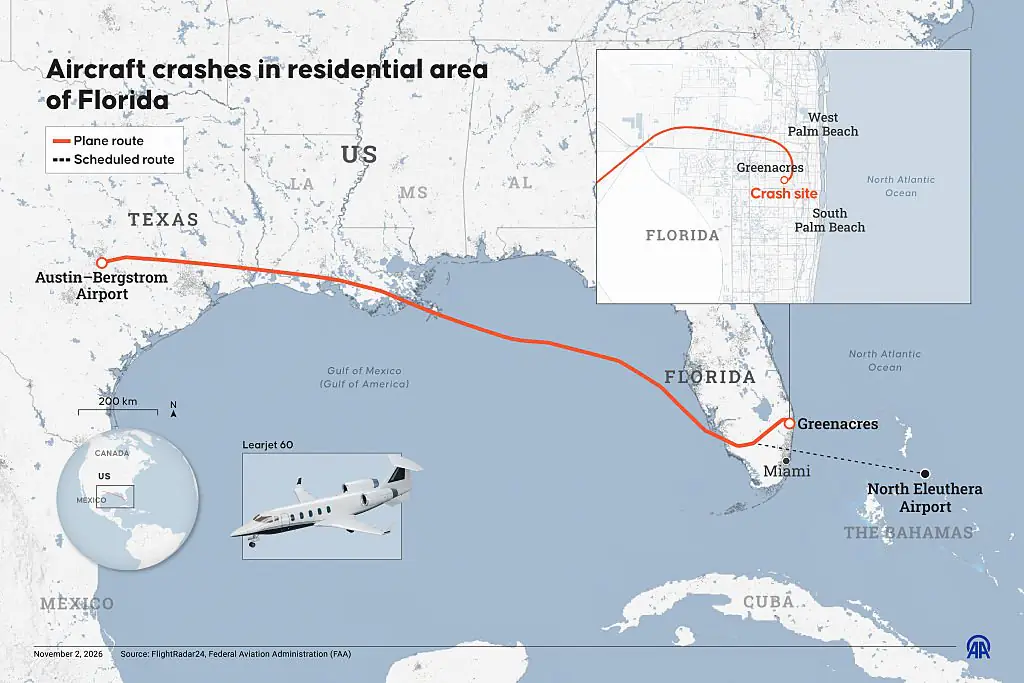
The Learjet 60 had taken off from Austin, Texas, on November 1 and was headed to North Eleuthera in the Bahamas. Before the 𝔠r𝘢sh, the crew reported icing and moderate turbulence. They later requested a climb to 37,000 feet after encountering precipitation.
Then came the emergency calls. In one transmission, the crew reported a descent of about 10,000 feet per minute. In a later call, they reported about 20,000 feet per minute and said the aircraft was in an overspeed condition. Those radio calls give investigators a record of what the crew reported as the situation worsened. The tail fragments provide physical evidence to compare with that timeline.
What investigators recovered near the impact site
The tail fragments were one part of a wider recovery effort. The NTSB said teams also identified pieces of both wings, both engines and several flight-control components. Some recovered parts were sent to the agency’s laboratories in Washington, D.C., for closer examination.

All nine people aboard died, including seven passengers and two crew members. Among the passengers were Adam Robinson, Helen Sharp and their two young children, Emma and Charlie.
The discovery miles from Greenacres establishes that part of the jet came off before impact. What investigators still need to determine is where that separation fits between the crew’s reports of difficult weather, the sudden descent and the 𝔠r𝘢sh. The NTSB’s findings remain preliminary.