The Learjet 60 was on its way from Austin to the Bahamas when the crew radioed that they were encountering icing and moderate turbulence. Minutes later, the jet went down near Greenacres, Florida. Dashcam footage showed it plunging toward the ground before a fireball rose near a busy road. All nine people aboard died.
Among the victims were a couple traveling with their two young children, the children’s nanny, and two family friends. The pilots were Captain Jeff Gregory, 55, and First Officer Nathalia Filgueiras, 20.
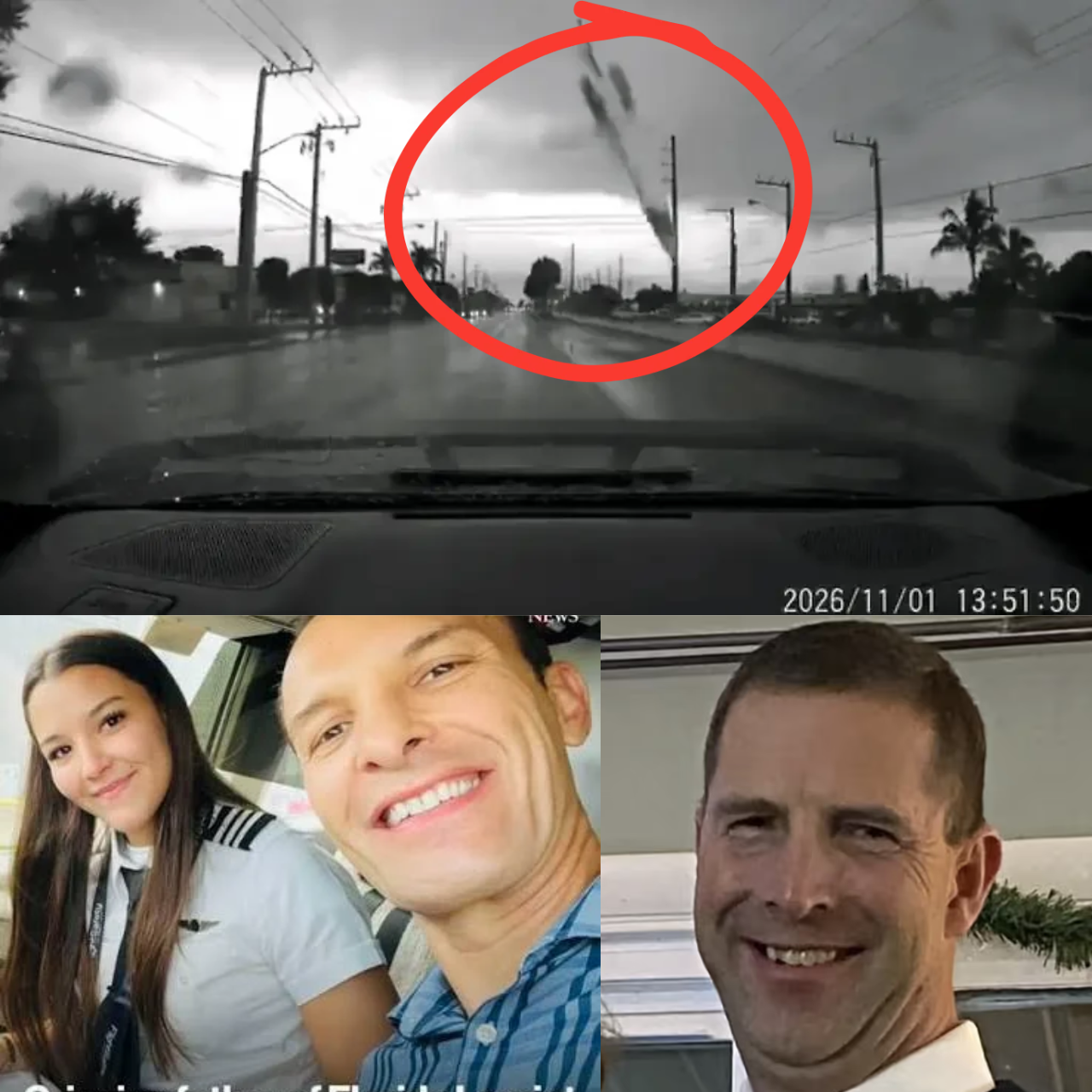
The crew’s radio reports offered an early look at the conditions they faced in the air. But a timeline of the accident can start well before that first weather report. In an interview with VT, aviation attorney Daniel Rose said investigators can gain context by reviewing the 72 hours before the pilots took off.
The wreckage and cockpit audio offer different pieces of the timeline
At a briefing the day after the November 1 𝔠r𝘢sh, National Transportation Safety Board member Tom Chapman described what the pilots had reported about the weather. That account gives investigators a point in time they can compare with radar data and weather records as they reconstruct the jet’s route and descent.
On the ground, investigators recovered pieces of both wings and both engines, along with parts of the aircraft’s flight controls. Some of those components were sent to NTSB laboratories for closer inspection. On November 9, the agency said it had also recovered the cockpit voice recorder from the impact site and was evaluating it in Washington, D.C.
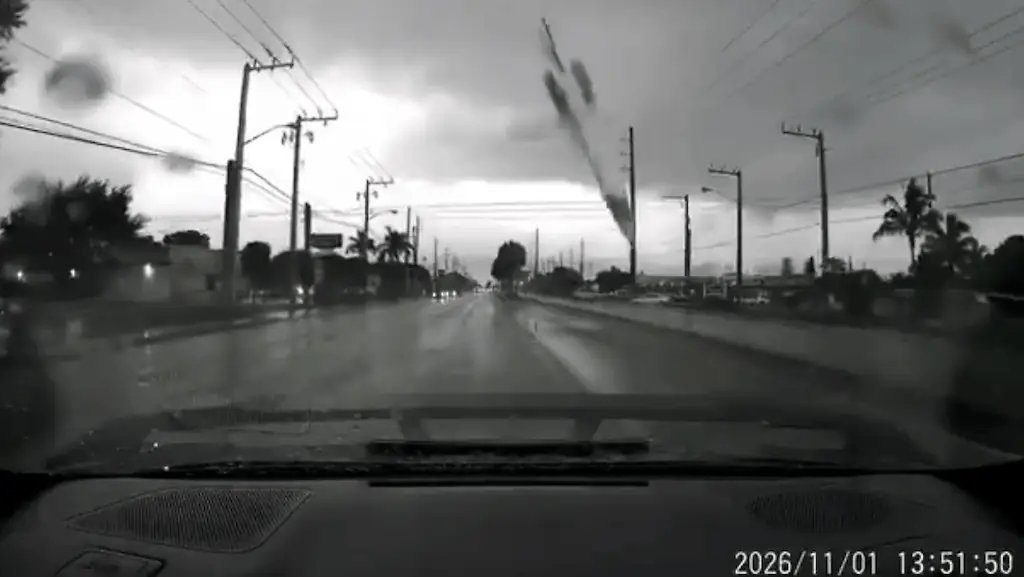
The radio calls capture what the crew told air traffic control. The recorder could help investigators hear what was being said inside the cockpit. They can compare that audio with the flight path and weather data to understand the sequence of events as conditions changed.
Why the three days before takeoff could matter
Rose said a human factors team can look at the pilots’ training, experience and activities before the flight. The three-day window gives that review a starting point. What duties had each pilot already completed? How much opportunity had they had to rest? What training had they received for the conditions they might encounter along the way?

Those questions help explain why investigators look beyond the final flight. A radio call can tell them when the crew reported ice. A review of the days leading up to departure can help them understand what preparation and rest preceded the decisions made in the cockpit. The public updates reviewed for this article have yet to describe how either pilot spent those 72 hours.
For now, the weather reports, the recovered aircraft components and the cockpit recording give investigators several ways to examine the sequence. The three days before departure could add context to what happened once the Learjet was in the air. The NTSB’s findings remain preliminary, and the cause of the 𝔠r𝘢sh is still under investigation.