Ole Miss Racism Controversy Takes Unexpected Turn as Fundraiser Surpasses $30,000 for Student Accused of Continuing Offensive Gestures
A viral video showing students making racially offensive gestures outside three Black freshmen’s apartment has already sparked outrage across the country. Now, a fundraising campaign supporting one of the women involved has raised tens of thousands of dollars, even as questions emerge about what happened after the camera stopped recording.
The controversy surrounding the University of Mississippi has entered a new chapter after supporters launched an online fundraising campaign for a student linked to a widely circulated doorbell camera video.
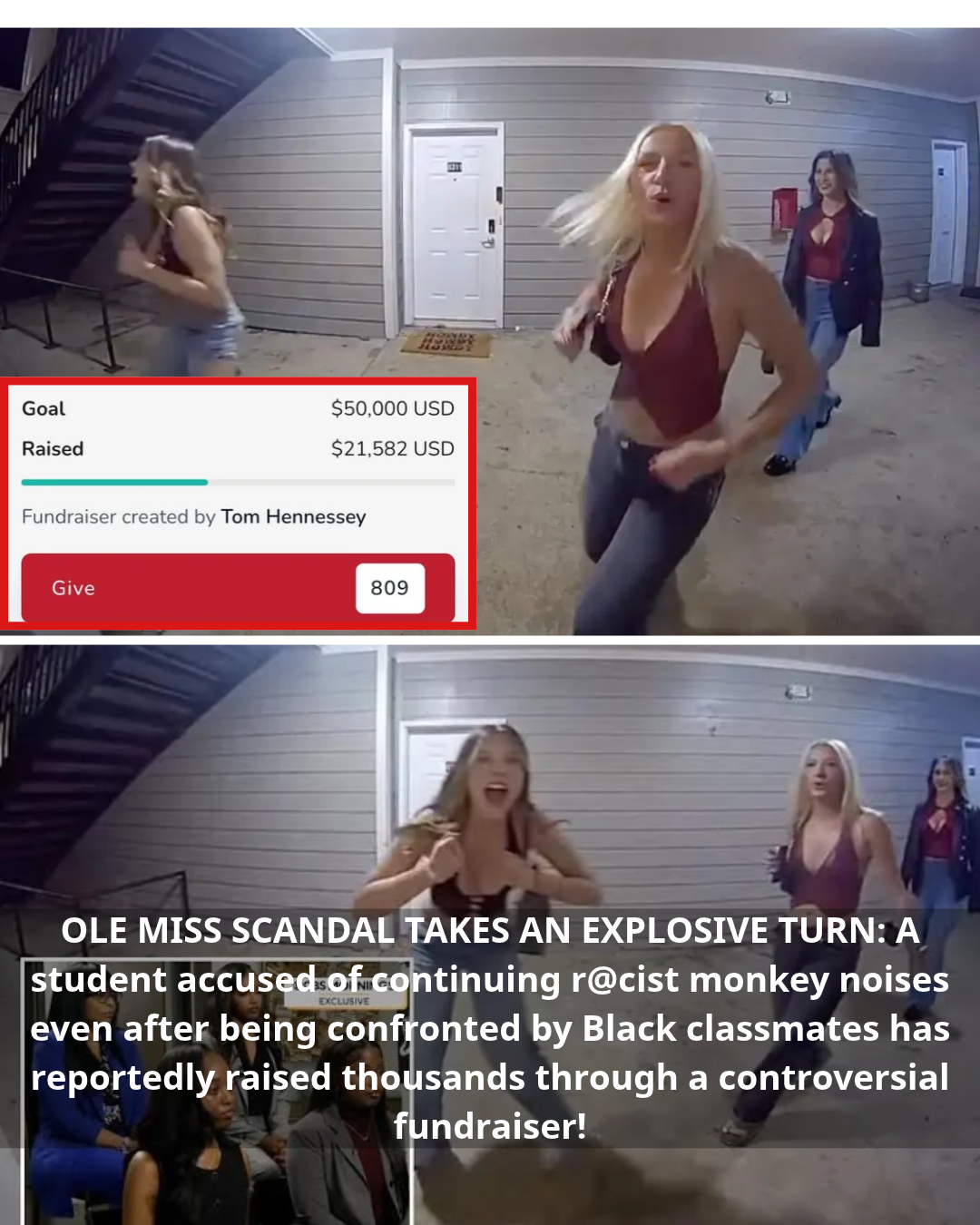
The campaign, hosted on GiveSendGo, was created in support of a woman identified in media reports as Lauren Mayfield.
According to reporting from TMZ and the Associated Press, donations climbed rapidly on November 11, with the total surpassing $30,000 by Wednesday afternoon.
But the fundraising campaign has drawn particular attention because its organizer has publicly defended the student’s conduct and discouraged her from apologizing.
The development comes as another student involved in the incident has issued an apology and withdrawn from the university.
How the Viral Video Started the Controversy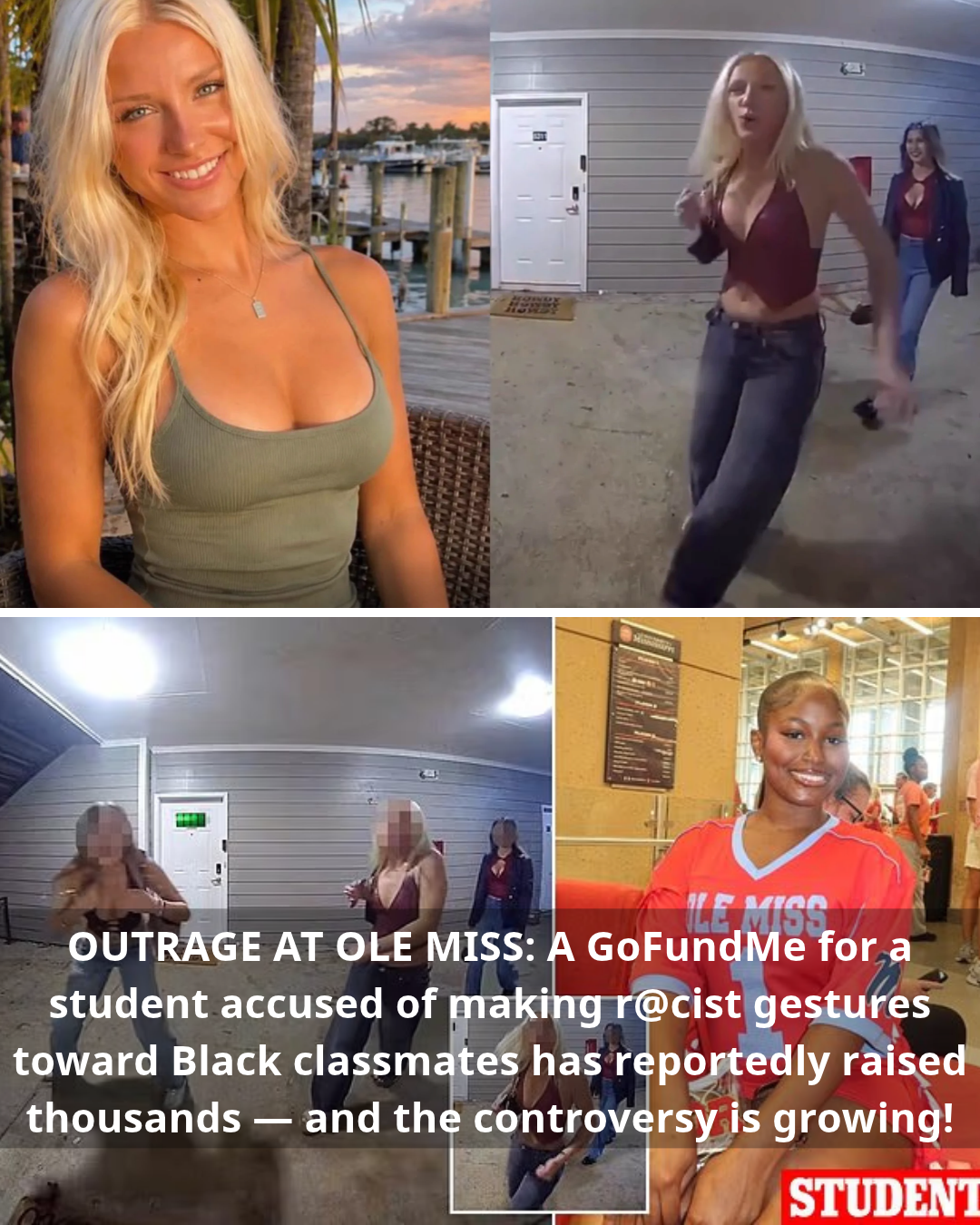
The incident occurred on November 6, 2026, outside an apartment occupied by three Black freshmen at the University of Mississippi, commonly known as Ole Miss.
The students, Jakiyra Metcalf, Victoria Johnson, and Kaiyden Caldwell, discovered footage from their Ring doorbell camera showing three white women passing their residence.
Two of the women appeared to imitate monkeys through exaggerated movements and animal-like sounds.
The third woman did not appear to participate in the gestures.
After Metcalf shared the recording on TikTok, the footage quickly spread across social media.
Within days, it had accumulated more than 13 million views.
Many viewers condemned the behavior because comparisons between Black people and monkeys have a long history as racist stereotypes.
The video prompted calls for accountability, as well as questions about how universities should respond when students engage in discriminatory conduct.
Students Reveal What Happened After the Recording
During a November 11 interview with CBS Mornings, the three roommates explained that the viral video did not capture the entire encounter.
After discovering the footage, Metcalf and Johnson went outside to confront the women.
According to their account, one participant, identified as Alaina Kunes, apologized for what had happened.
Kunes reportedly claimed that the women had been making similar gestures and sounds outside multiple apartments.
However, the roommates questioned that explanation.
They said they had not observed similar behavior directed at other residences.
Johnson also alleged that the second woman continued making the gestures even while Kunes was apologizing.
She described the experience as “a slap in the face.”
For the roommates, the continuation of the behavior made the confrontation particularly hurtful.
They said the incident left them questioning whether they could feel comfortable and respected in their own residential community.
One Student Apologizes While Another Receives Financial Support
The two women reportedly involved in making the gestures have faced noticeably different public reactions.
Alaina Kunes, 18, issued a public apology after the video gained national attention.
She acknowledged that her actions were inappropriate and harmful but maintained that she had not known Black students lived inside the apartment.
Kunes subsequently withdrew from Ole Miss amid intense public criticism and harassment.
TMZ reported that her withdrawal was voluntary rather than the result of an announced university suspension or expulsion.
Meanwhile, a separate fundraising campaign was launched in support of the woman identified by TMZ as Lauren Mayfield.
The campaign, titled “Stand With Lauren,” was organized by Tom Hennessey.
Its description argued that the student had not broken any laws and should not face severe personal or professional consequences over the incident.
Hennessey also suggested that donations could help compensate for lost opportunities or income resulting from the controversy.
However, one aspect of the campaign attracted especially strong attention.
The organizer indicated that the fundraising effort could be canceled if the woman publicly apologized and rejected the support being offered.
That condition has become a significant part of the public debate.
Fundraiser Draws Thousands of Dollars in Donations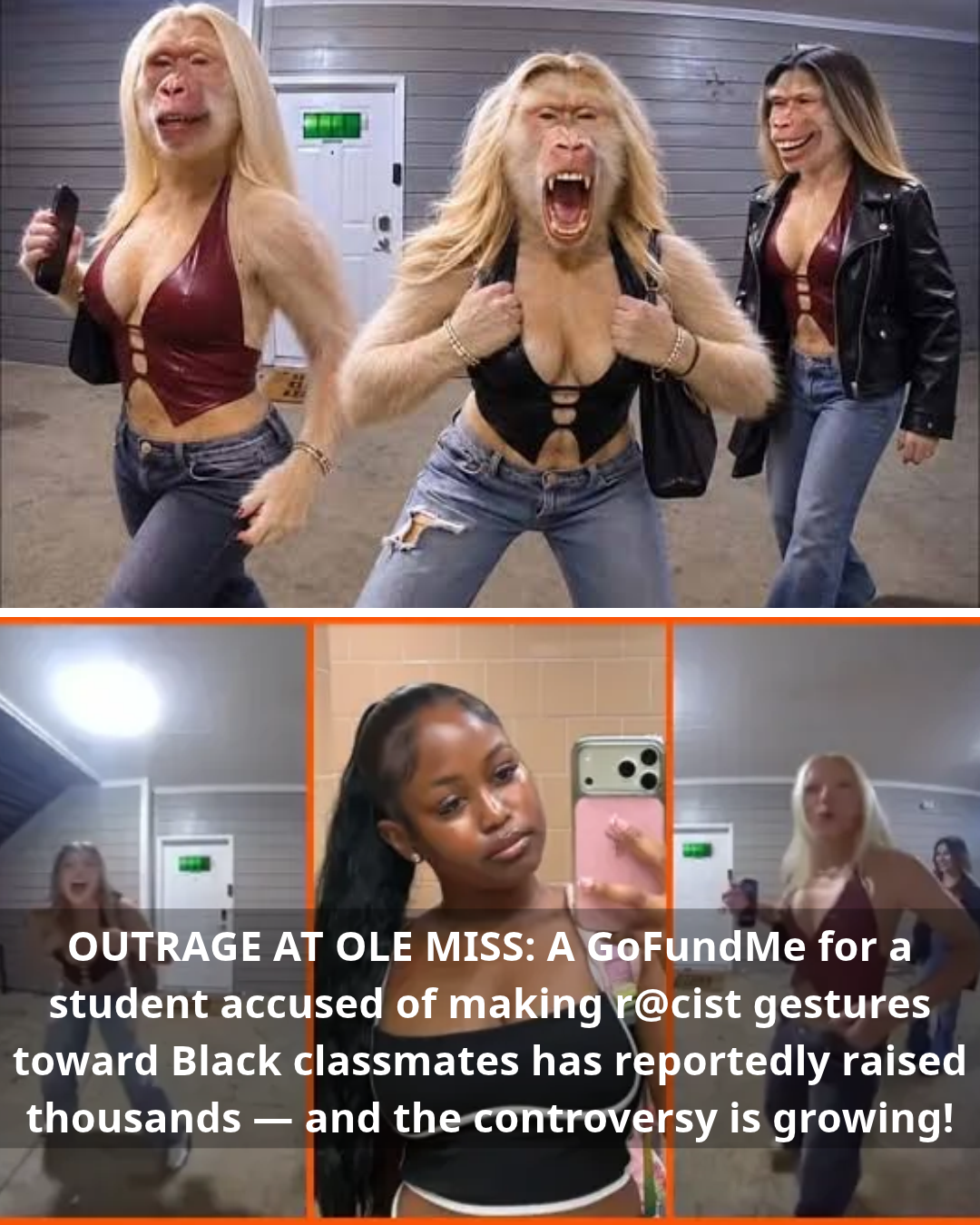
According to TMZ, the GiveSendGo campaign had initially raised more than $15,000 toward a $20,000 target when the outlet reported on it on November 11.
As media coverage expanded, the total continued increasing.
The Associated Press reported that donations had surpassed $30,000 by Wednesday afternoon.
Many contributors reportedly chose to remain anonymous.
The campaign’s language portrayed the woman as someone facing disproportionate backlash over an incident that supporters characterized as immature behavior rather than intentional racial harassment.
Critics, however, argued that the campaign appeared to minimize the experiences of the Black students who lived in the apartment.
The controversy also raised questions about the growing practice of launching online fundraisers for individuals facing public criticism.
In some cases, these campaigns are framed as financial assistance for people who have experienced harassment or lost professional opportunities.
In others, they become expressions of political or cultural solidarity.
In this instance, the organizer’s insistence that an apology could jeopardize the campaign has made the fundraiser especially controversial.
Importantly, reports had not established whether Mayfield was involved in creating the campaign or would ultimately receive the donations.
TMZ and New York Post Examine the Growing Backlash
The controversy was discussed on November 11 during The Low Down, a collaborative news and commentary program involving TMZ and the New York Post.
The hosts examined the video, the students’ subsequent confrontation, and the different responses from the women involved.
They also discussed the fundraising campaign and the public reaction to Kunes’ apology and withdrawal.
The conversation highlighted how a short recording had developed into a much broader dispute involving racial respect, public accountability, free expression, and online harassment.
The hosts also considered whether the university would take additional action following its investigation.