BREAKING: Ole Miss Student, 18, Apologizes After Racist Doorbell Video Goes Viral — Then Leaves University as New Details Emerge
A 13-second doorbell video made her the center of a national controversy. Now, 18-year-old Alaina Kunes has publicly identified herself, apologized to three Black college students and left the University of Mississippi. But her explanation has raised another difficult question: Can someone acknowledge causing racial harm while insisting the behavior was never intended to target anyone?
OXFORD, MISSISSIPPI — November 11, 2026. A University of Mississippi freshman whose behavior was captured in a widely circulated Ring doorbell video has publicly apologized after the recording sparked outrage, widespread criticism and a university investigation.
Alaina Kunes, 18, acknowledged participating in the November 6 incident outside an off-campus apartment occupied by three Black female students.
The footage shows three white women walking past the apartment, with two appearing to make monkey-like sounds and gestures toward the doorbell camera.
The video was posted to TikTok by Ole Miss student Jakiyra Metcalf and rapidly reached millions of viewers.
On November 10, Kunes released a statement through a representative, acknowledging the harm caused by her actions.
By the same day, the university confirmed that she was no longer enrolled.
Her representative later said she had voluntarily withdrawn.
The Apology That Changed the Story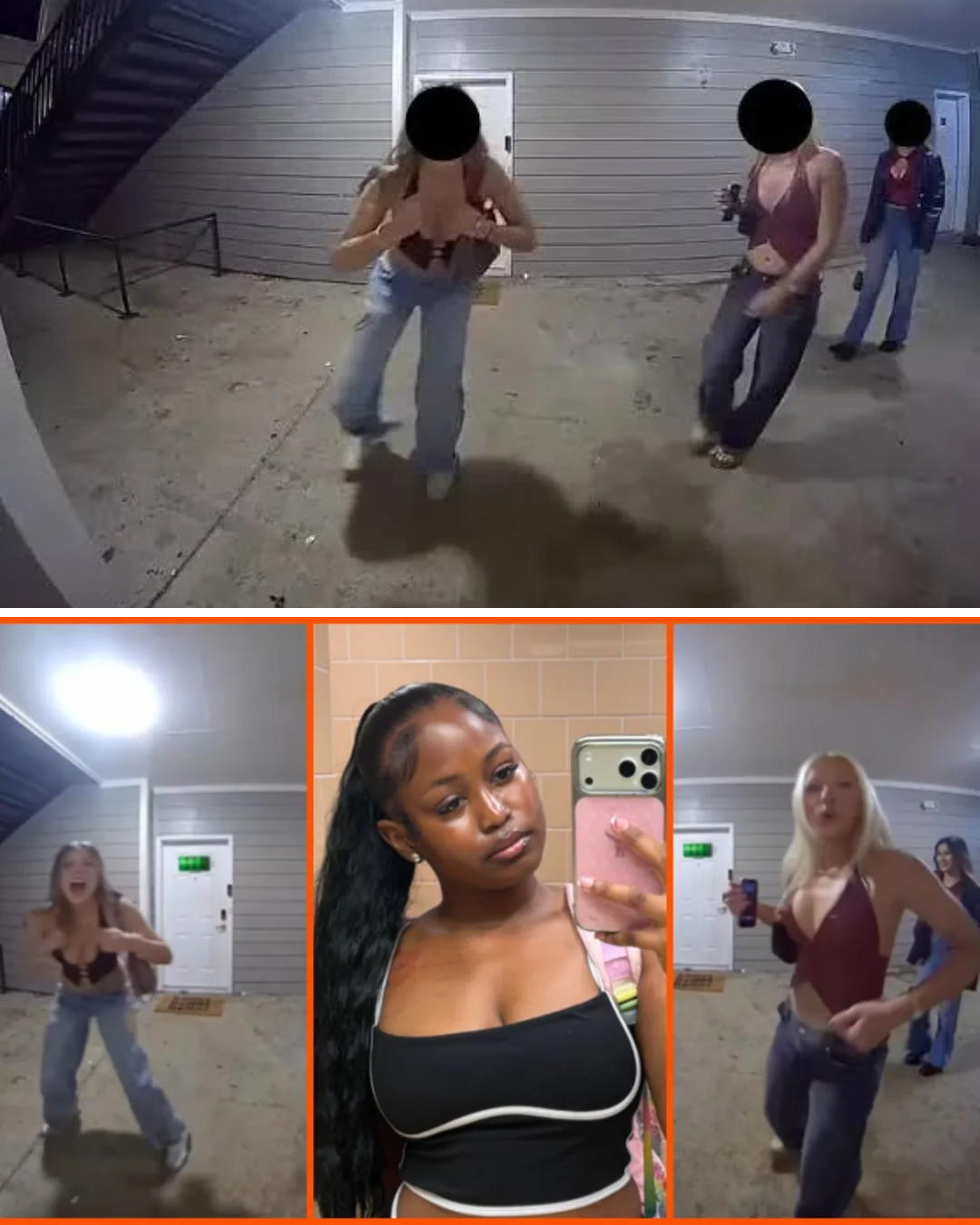
After several days of public criticism, Kunes broke her silence.
In a statement released Tuesday, she apologized to the women who lived in the apartment and to the broader university community.
She described her actions as insensitive, inappropriate and harmful.
However, Kunes also offered an explanation.
She said she had never met the apartment’s residents before the incident and did not know their race when the video was recorded.
According to Kunes, she had not intended to direct the gestures toward a person of color.
She acknowledged that her intentions did not erase the pain caused by her behavior.
Kunes also said she had apologized directly to the women involved.
The claim that she was unaware of the residents’ race is her account of the incident, not an independently established finding.
What the Ring Camera Recorded
The incident occurred Friday evening, November 6, outside an apartment in Oxford, Mississippi.
A Ring doorbell camera recorded three young women approaching the entrance.
Two briefly turned toward the camera.
They appeared to imitate monkeys through sounds and exaggerated movements, including chest-beating gestures.
The third woman continued walking past the door.
The recording lasted approximately 13 seconds.
Metcalf, one of the students living in the apartment, later shared the footage on TikTok and tagged the University of Mississippi.
By Tuesday afternoon, the video had accumulated more than 12 million views.
The footage quickly became the subject of national news coverage and widespread discussion about racial stereotypes and harassment.
Three Students Say Their Sense of Safety Was Affected
The apartment is shared by three Black female students attending Ole Miss.
Metcalf and her roommates became the focus of public attention after the recording spread online.
The women reportedly identified those appearing in the video as neighbors living in the same apartment complex.
For the residents, the location was significant.
The behavior occurred directly outside their home rather than during a public event.
One affected student described feeling unsafe following the incident.
Tasha Bolton, whose daughter lives in the apartment, contacted local media and called for the university to take meaningful action.
The family also sought legal advice.
Their concerns centered on both accountability and the students’ ability to feel secure where they live.
The University Confirms Kunes Has Left
The controversy took another turn when the University of Mississippi confirmed that Kunes was no longer a student.
The university initially did not publicly explain whether her departure resulted from disciplinary action or a voluntary decision.
Subsequent reporting cited a representative for Kunes who said she withdrew voluntarily.
The representative stated that she was neither suspended nor instructed to leave.
Those details are important because online claims had already begun circulating about possible punishment.
Kunes’ departure does not establish that the university imposed a formal disciplinary sanction.
Nor does it mean the broader investigation has been completed.
Ole Miss Continues Its Investigation
University officials condemned the behavior soon after the video became public.
Vice Chancellor for Student Affairs Shawnboda Mead called the conduct deeply troubling and unacceptable.
The university said its Office of Conflict Resolution and Student Conduct and Office of Equal Opportunity and Regulatory Compliance were reviewing the incident.
Officials also contacted the affected students to offer support.
The school emphasized that racial harassment conflicts with its stated values.
However, university representatives cautioned that student privacy laws restrict the disclosure of individual disciplinary records.
As of the latest reporting, the institution had not announced a final public determination regarding everyone shown in the video.
The Other Women Remain Under Scrutiny
Although Kunes has identified herself and apologized, the other women shown in the recording have received less public attention through verified reporting.
A second woman appears to participate in the monkey-like gestures.
The third walks past without making the same movements.
The second participant has not been publicly identified through the verified reporting reviewed.
The university has not released a complete account establishing each person’s identity or role.
Officials have also warned against circulating unverified accusations.
Earlier in the controversy, an uninvolved student was reportedly misidentified online.
The university urged people to avoid repeating unsupported claims.
Kunes Says Her Family Has Received Threats
In addition to apologizing, Kunes said she and her family had experienced harassment and threats after the footage went viral.
She expressed appreciation for authorities who had assisted with their safety.
The reported threats have not been independently detailed in publicly available law enforcement findings.
Kunes asked the public to respect her family’s privacy.
The controversy has demonstrated how rapidly online outrage can extend beyond those directly involved in an incident.
Criticism of offensive conduct and demands for accountability can coexist with the need to reject threats and harassment.
A Family Business Drawn Into the Controversy
The attention surrounding Kunes also reached Kunes Auto Group, a Wisconsin-based dealership business associated with her family.
Social media users began scrutinizing the company after Kunes was publicly identified.
The business faced separate allegations concerning racist conduct involving employees in previous incidents.
Company representatives said employees involved in those matters had been dismissed.
The dealership group also stressed that Alaina Kunes has no employment, ownership or professional affiliation with the company.
Her father, Scott Kunes, formerly served as the company’s chief operating officer but left that position in February 2026.
There is no verified evidence connecting the dealership to the November 6 doorbell incident.
The separate allegations should not be treated as evidence of Kunes’ intentions or conduct.
Black Student Leaders Demand Accountability
The controversy has also prompted calls for institutional action from student leaders.
The university’s Black Student Union described the incident as deeply harmful.
Its president, Demetrick Stringer Jr., called for the university to consider appropriate disciplinary consequences and strengthen efforts to educate students about racial respect.
Other students and parents have urged the administration to communicate clearly about its response.
Their concerns extend beyond one recording.
They want assurances that students experiencing racial harassment will be supported and that university policies will be consistently enforced.
The investigation may determine whether the reported behavior violated relevant student conduct rules.
Why the Explanation Has Sparked Debate
Kunes’ apology has generated competing reactions.
Some have focused on her willingness to identify herself, apologize and acknowledge the impact of her actions.
Others have questioned her assertion that she did not know the residents were Black.
For critics, the behavior itself was offensive regardless of whether the women knew who lived behind the door.
The gestures resemble racist imagery historically used to demean Black people.
That historical context helps explain why the recording provoked such a strong response.
At the same time, the available evidence does not independently establish what Kunes knew or intended at the moment of the incident.
Those questions remain relevant to the university’s review.
What Happens Next?
The University of Mississippi must continue evaluating the facts through its established processes.
Kunes has publicly acknowledged her behavior and apologized.
She has also left the university, according to a representative, voluntarily.
But the incident remains unresolved in several respects.
The school has not publicly announced a complete set of findings regarding the participants.
The affected students have called for accountability and support.
And questions remain about how Ole Miss will address the broader concerns raised by the footage.
Thirteen Seconds, a Public Apology and a Future Changed
The controversy began with an ordinary security camera recording outside a college apartment.
Within days, it had become a national news story.
An 18-year-old freshman was publicly identified.
Three Black students found themselves at the center of widespread attention.
The university opened an investigation.
And Kunes apologized before leaving the institution.
The video lasted just 13 seconds, but its consequences have extended far beyond that apartment hallway.
For the affected students, the priority remains feeling safe and respected.
For Kunes, the challenge is taking responsibility for the behavior she has acknowledged.
And for the University of Mississippi, the central task is determining an appropriate institutional response based on verified facts.
Her apology is now public. Her departure from Ole Miss has been confirmed. But the larger questions about accountability, racial respect and student safety are still being addressed.