Nearly three decades after six-year-old JonBenét Ramsey was found m𝑢rdєred in her family’s Boulder, Colorado, home, investigators are continuing to pursue new leads, revisit evidence and explore advances in DNA testing. With the 30th anniversary approaching in December 2026, renewed attention is focused on whether modern forensic techniques could finally help identify the person responsible.
There is a significant development — but it is important to distinguish documented progress from speculation. In December 2025, Boulder police confirmed that detectives had collected new evidence, tested and retested existing items, and conducted new interviews and follow-up interviews. Authorities did not disclose the specific evidence tested or announce a DNA match identifying a suspect.
The case remains open. And while new forensic technology offers possibilities that investigators did not have in 1996, no publicly confirmed breakthrough has yet resulted in an arrest.

Why DNA evidence remains central to the investigation
JonBenét was reported missing on December 26, 1996. Later that day, her father found her body in the basement of the family home. The autopsy determined that she died from strangulation and a severe head injury. Investigators also identified unidentified male DNA on evidence ᴀssociated with the crime. Despite decades of investigation, no one has been charged with her murder.
That unidentified DNA has remained a major focus of the case. The challenge is not simply finding a DNA profile: investigators must determine whether the material is suitable for further testing, whether it can reliably distinguish an individual from a mixed sample, and whether any result can be connected to the crime.
In October 2025, CBS Colorado reported that DNA expert Mitch Morrissey had cautioned that a mixture of DNA from multiple people could limit the usefulness of some advanced sequencing methods. The condition and quanтιтy of the available material matter just as much as the technology used to analyze it.
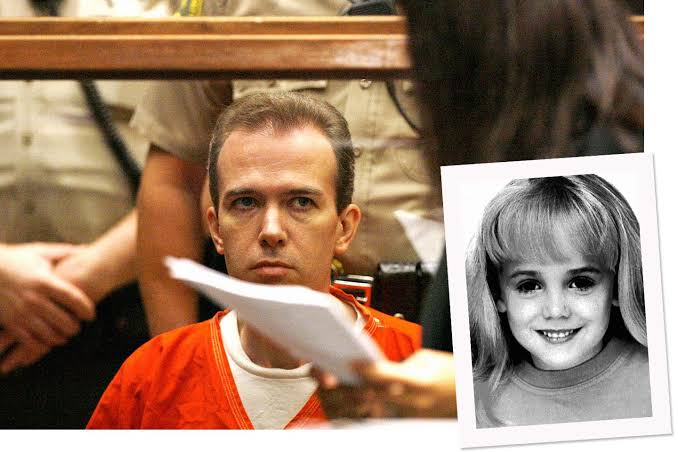
A renewed push for advanced genetic genealogy
In July 2026, JonBenét’s father, John Ramsey, renewed his public call for investigators to consider forensic genetic genealogy through an independent laboratory. This method can sometimes use a DNA profile to identify possible relatives in appropriate genealogy databases, allowing investigators to build family trees and narrow a search for a potential suspect.
However, genetic genealogy is not a guaranteed solution. It requires a sufficiently informative DNA profile, appropriate comparison resources and careful investigative verification. Any potential lead would still need to be corroborated with independent evidence.
There is also an important distinction between the family’s requests and official investigative decisions. Boulder police have said they continue exploring advanced forensic methods with state and federal partners and outside laboratories. They have not publicly confirmed that a new test has identified the 𝘬iᩚller.
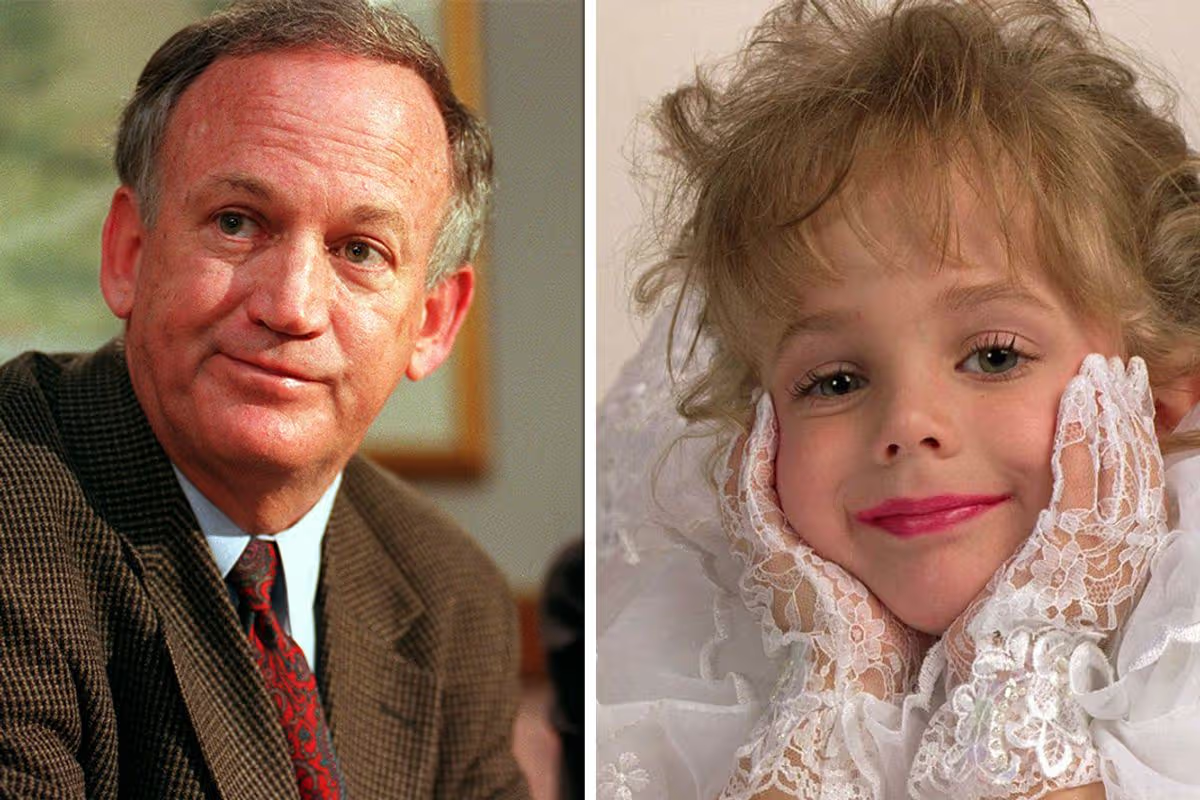
Could the 2026 DNA controversy change the case?
Another development has intensified scrutiny of forensic testing in Colorado. Former Colorado Bureau of Investigation analyst Yvonne “Missy” Woods pleaded guilty in June 2026 to four felonies connected to misconduct involving DNA laboratory records and quality-control processes. The case raised broader questions about the reliability of forensic work and the need for independent oversight.
But authorities have specifically said their review found that Woods’ misconduct did not affect the Ramsey investigation. It would therefore be inaccurate to claim that the laboratory scandal invalidated the DNA evidence in JonBenét’s case or directly produced a new lead.

What happens next?
Boulder police continue to urge anyone with relevant information to come forward. Their official case statement confirms that the investigation remains active and that detectives are working with DNA experts and law-enforcement partners.
As the 30th anniversary approaches, three questions remain especially important:
Can existing biological evidence yield a more useful DNA profile with newer testing methods?
Will forensic genetic genealogy provide a viable investigative lead?
Can any new lead be independently corroborated well enough to support an arrest and prosecution?
The answers remain unknown. The public record supports continued investigative work, but not a claim that authorities are on the verge of naming a suspect.
The bottom line: JonBenét Ramsey’s case has not been solved, but investigators continue to examine evidence and explore advances in forensic DNA technology. The next meaningful breakthrough will be a verified finding that moves the investigation toward identifying and proving the responsibility of the person who killed her — not simply another wave of speculation.
Souce: https://www.foxnews.com/