The question is difficult to escape: could anything have changed the outcome before the Florida Learjet began its devastating descent?
A video analysis described by VT explores that possibility through an imagined veteran captain, examining decisions that might have kept the aircraft away from danger.
But the fictional pilot has an extraordinary advantage: he already knows how the flight ends.
That distinction matters when considering a disaster that killed nine people and remains under federal investigation. The exercise offers a way to discuss aviation safety; it cannot establish what the real crew could have achieved.
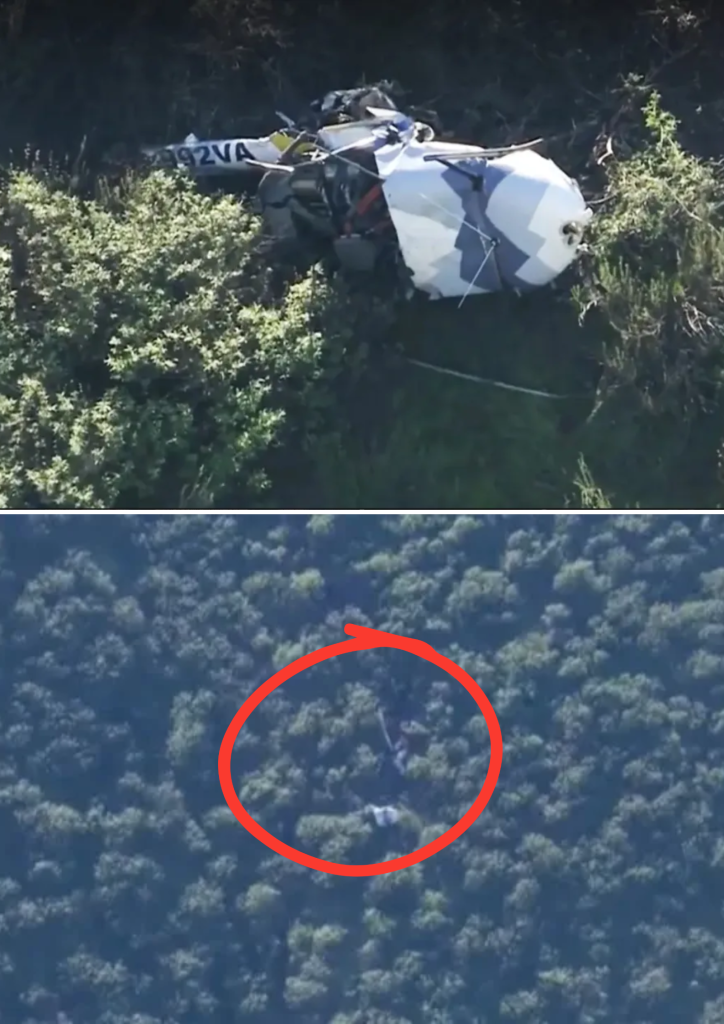
The Learjet 60 crashed near Greenacres, Florida, on November 1 while traveling from Austin, Texas, to North Eleuthera in the Bahamas. The National Transportation Safety Board is investigating the flight under case number ERA27MA026.
In the video scenario, the most consequential choices begin before the emergency.
The hypothetical captain considers a substantial weather detour or a delay, rather than continuing toward the storm system. The analysis also questions altitude decisions and examines how a crew might respond as conditions deteriorate.
Its central argument is that opportunities to avoid severe weather may matter more than any maneuver attempted during the final dive. That remains the presentation’s interpretation, rather than an official finding about this accident.
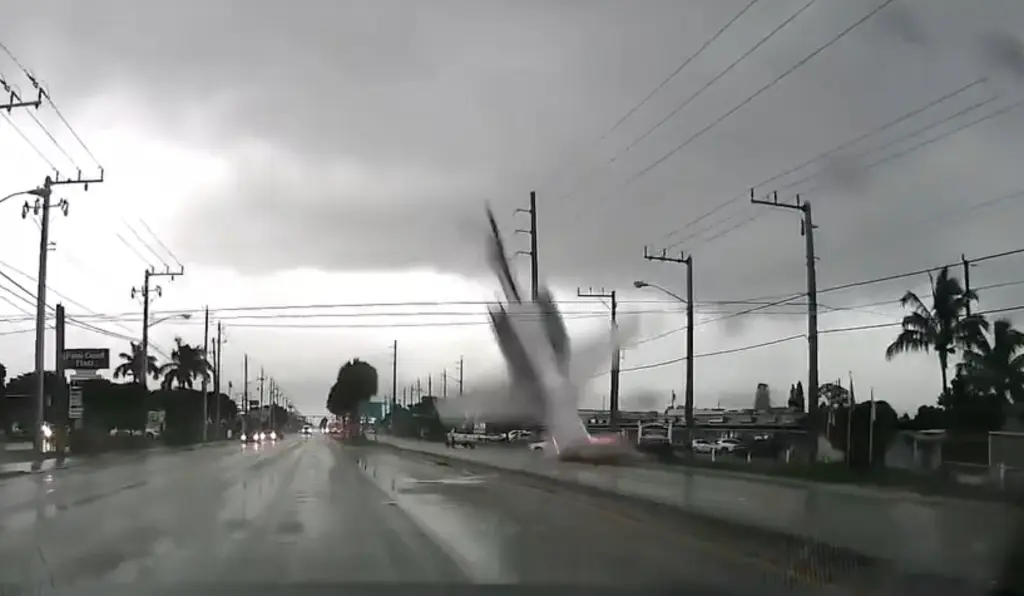
The danger can extend beyond the clouds
FAA guidance helps explain why thunderstorm avoidance receives so much attention.
A storm’s visible outline does not reveal the full extent of its hazards. Powerful air movements can extend outside the cloud, and radar primarily depicts precipitation rather than turbulence itself.
The agency advises pilots to keep at least 20 miles away from severe thunderstorms or those producing intense radar echoes. Where thunderstorms cover six-tenths of an area, its guidance calls for going around the entire affected region.
If a safe route around the weather is unavailable, the FAA advises diverting and waiting on the ground. These are general safety principles, not evidence that a particular alternative was available to this crew.
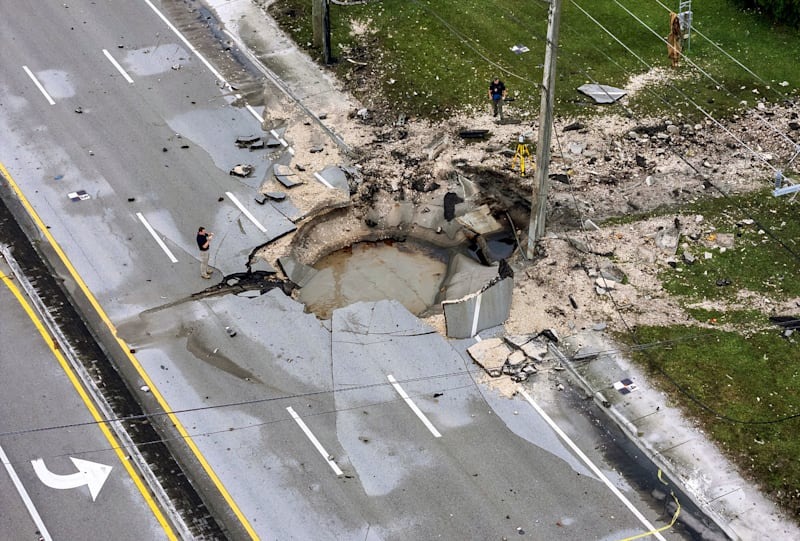
The same guidance addresses the challenge of encountering a storm once airborne.
It cautions against forcing an aircraft to maintain a precise altitude through turbulence. Certain automatic altitude and speed modes can increase maneuvering and structural stress. Pilots are instead directed toward aircraft-specific turbulence procedures and maintaining a steady attitude while allowing some fluctuations.
Those principles help explain the video’s emphasis on avoiding escalating aerodynamic loads. They do not reconstruct the Learjet’s actual cockpit actions.
The evidence still has to answer what happened
Investigators have a separate task: establishing the sequence of this particular accident.
The NTSB has recovered components from the wings, engines, flight deck, and tail. Some parts were sent to its Washington laboratories for closer examination.
On November 9, investigators also recovered the cockpit voice recorder at the initial impact site. The agency said it was being evaluated at its Vehicle Recorders Laboratory. Its published investigation page continues to describe the inquiry as ongoing and the available information as preliminary.
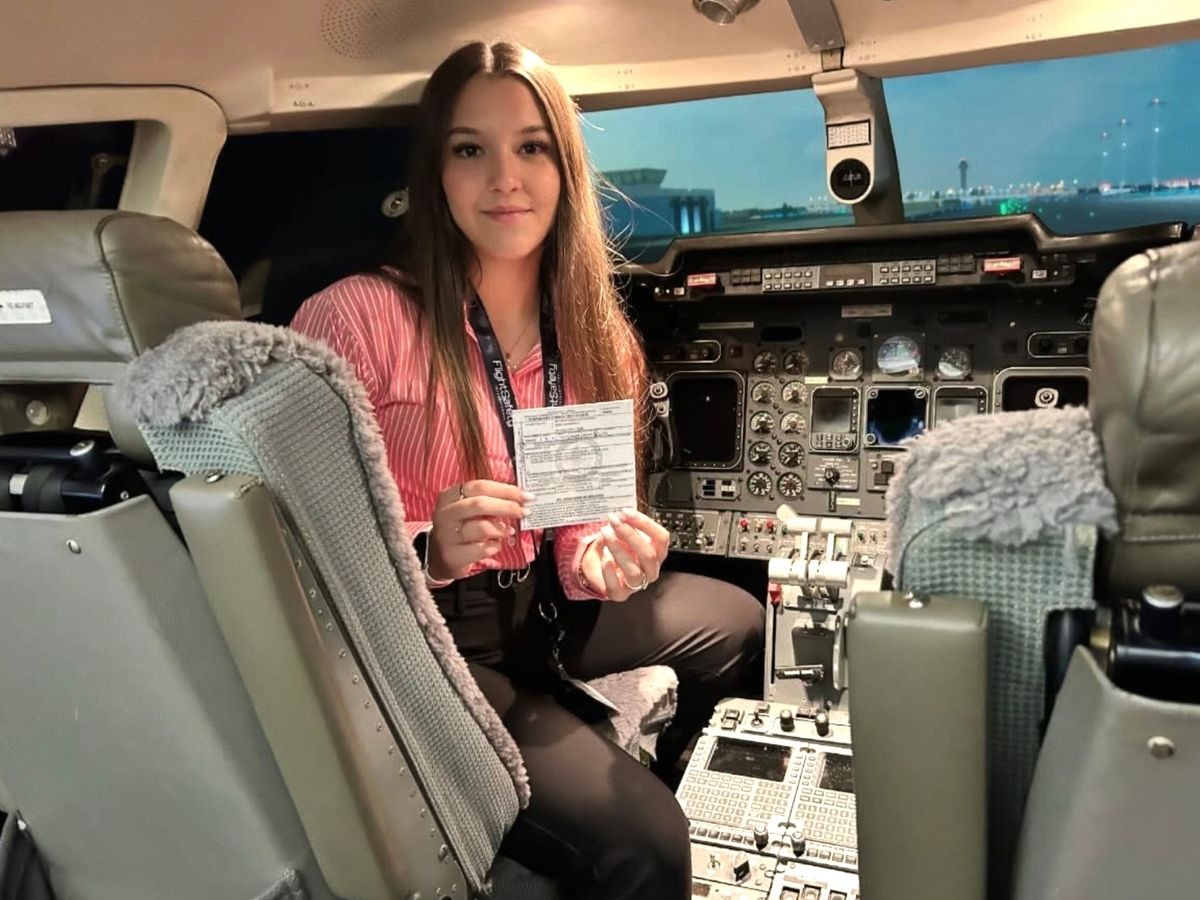
Those examinations may help resolve questions that a hypothetical flight cannot.
The video invites viewers to consider where a different decision might have opened another path. The investigation must determine what information, conditions, and aircraft behavior the real pilots faced—and whether recovery remained possible.
For now, the possibility of a different outcome remains a question. The cause of the 𝔠r𝘢sh has yet to be established.