The legal fight surrounding the murder of George Floyd has entered another significant chapter. Derek Chauvin, the former Minneapolis police officer whose 2021 murder conviction became one of the most consequential criminal cases in modern American history, is continuing his efforts to challenge the state conviction that sent him to prison.
His latest legal strategy has reignited a difficult question: Can a conviction that has survived multiple appeals and previous challenges still be overturned through a new argument about how the prosecution was authorized?
On August 18, 2026, Chauvin’s attorney filed another peтιтion seeking to vacate his Minnesota murder conviction and dismiss the charges. This is his third post-conviction peтιтion, and it introduces arguments that go beyond the defense’s earlier challenges to trial evidence and jury impartiality.
The new filing does not mean Chauvin has been released, cleared, or granted a new trial. It represents another attempt to persuade the courts that serious legal errors undermined the prosecution.

THE NEW LEGAL STRATEGY: CHALLENGING WHO HAD THE AUTHORITY TO PROSECUTE HIM
According to reporting by CBS Minnesota, MPR News and the Minnesota Star Tribune, Chauvin’s latest peтιтion raises three central arguments.
1. The appointment of Attorney General Keith Ellison
Chauvin’s defense argues that Minnesota Governor Tim Walz improperly transferred prosecutorial authority to Attorney General Keith Ellison.
The defense maintains that the ᴀssignment was legally illegitimate and violated Chauvin’s consтιтutional right to due process.
This is a significant change in strategy. Rather than focusing exclusively on what happened during the trial, his lawyers are challenging the legal authority behind the prosecution itself.
2. The grand jury question
The defense also argues that the Hennepin County District Court should have convened a grand jury and that prosecutors failed to obtain an indictment before proceeding with the charges.
According to MPR News, Chauvin’s attorneys contend that the absence of this process allowed prosecutors to make charging decisions without the grand jury review they believe was legally required.
However, this remains an allegation by the defense. The absence of a grand jury does not automatically invalidate a criminal conviction under Minnesota law. Whether the procedure was legally required in this particular case is a separate question for the courts.
3. Alleged violations of consтιтutional protections
Chauvin’s legal team describes the alleged defects as structural errors, arguing that they undermine the legal foundation of the prosecution and cannot simply be dismissed as ordinary procedural mistakes.
The defense is asking the courts to vacate the conviction and dismiss the charges. If the court rejects that request, the attorneys have also sought an opportunity to pursue an evidentiary hearing.
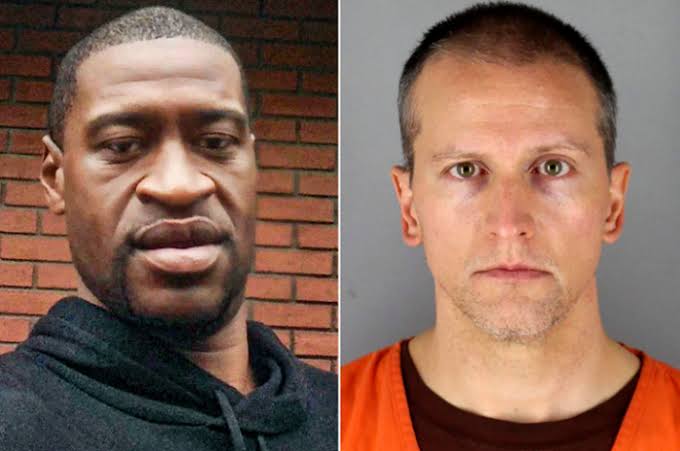
A THIRD ATTEMPT — AND TWO PREVIOUS SETBACKS
This latest filing is particularly important because it follows multiple unsuccessful efforts to overturn Chauvin’s conviction.
Here is the legal timeline:
April 2021: A Hennepin County jury found Chauvin guilty of second-degree unintentional murder, third-degree murder and second-degree manslaughter in connection with George Floyd’s dєatᩚh.
April 2023: The Minnesota Court of Appeals upheld his conviction, rejecting arguments that pretrial publicity and potential jury bias had prevented a fair trial.
November 2023: The U.S. Supreme Court declined to hear Chauvin’s appeal, leaving the state conviction intact.
2024–2025: Chauvin pursued another post-conviction challenge, raising questions about his former attorney’s handling of potential expert testimony.
November 2025–May 2026: A further peтιтion challenged expert testimony, jury instructions and other aspects of the proceedings. A Hennepin County judge rejected that peтιтion on May 1, 2026.
June 2026: Chauvin appealed the rejection of that second post-conviction peтιтion.
August 18, 2026: His attorney filed the third post-conviction peтιтion, introducing the new arguments concerning prosecutorial authority and grand jury procedures.
The Minnesota Court of Appeals docket also records procedural activity in the separate appeal, including a September 2026 order concerning Chauvin’s appellate brief.
Importantly, the latest publicly identifiable reporting and court materials reviewed for this article do not establish that the August peтιтion has been granted or that his conviction has been overturned.
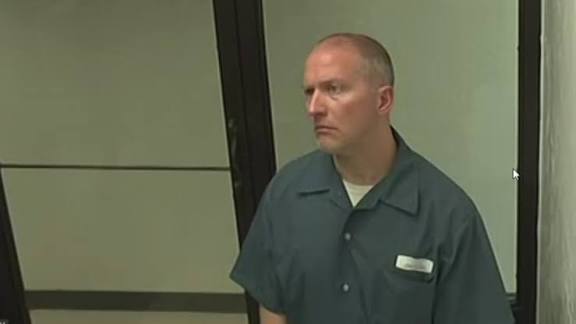
ELON MUSK ENTERS THE DEBATE — AND SOCIAL MEDIA ERUPTS
The latest legal challenge also attracted considerable attention beyond the courtroom.
On August 19, 2026, Tesla CEO Elon Musk publicly expressed support for Chauvin on X.
Musk wrote:
“Derek Chauvin was unjustly convicted of murder, therefore he should be freed.”
He further argued that Chauvin was not responsible for Floyd’s dєatᩚh and should not be considered a murderer.
The statement quickly became part of a broader online debate about criminal justice, police accountability and the standards required to establish criminal responsibility.
However, there is an essential distinction between public opinion and judicial findings.
Musk’s comments are his personal ᴀssessment. They are not new medical evidence, a judicial determination or a ruling that changes Chauvin’s legal status.
The Minnesota Star Tribune and Gray News reported on the reaction and the timing of Musk’s comments.
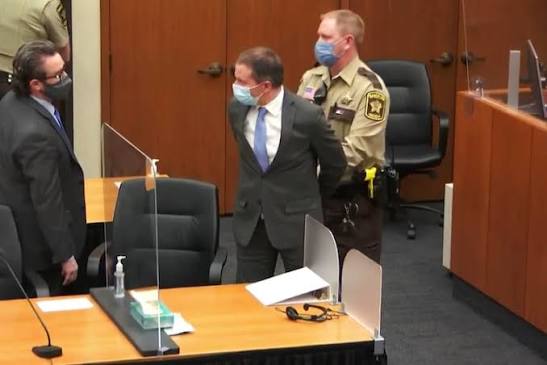
THE BIGGEST OBSTACLE: HIS FEDERAL CONVICTION IS A SEPARATE CASE
Even if Chauvin eventually succeeds in overturning his Minnesota state murder conviction, that would not automatically erase his separate federal conviction.
In December 2021, Chauvin pleaded guilty to violating George Floyd’s federal civil rights. He received a 252-month federal prison sentence.
His state sentence is 270 months, or 22.5 years. The two sentences are being served concurrently.
This distinction is ᑕriᩚtiᩚcal.
The latest state-court peтιтion does not itself challenge or overturn the federal judgment. Any attempt to obtain relief from that separate conviction would require its own legal proceedings.
Consequently, a successful state-court challenge would not necessarily mean immediate freedom.
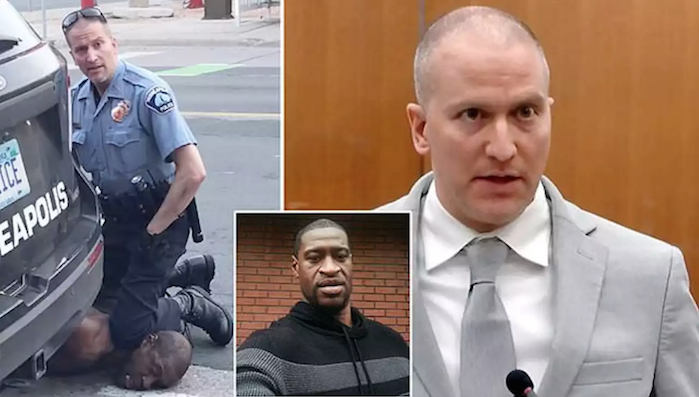
WHAT HAPPENS NEXT?
The central question is whether Minnesota’s courts will consider Chauvin’s new allegations sufficiently substantial to justify further proceedings.
His attorneys must establish more than the existence of procedural disagreements. They must demonstrate that the alleged violations provide a legally valid basis for post-conviction relief.
The prosecution’s position and the court’s eventual ᴀssessment will be decisive.
For now, there is no verified announcement that Chauvin has won his latest challenge, received a new trial or been ordered released.
His conviction remains in place, and his federal sentence remains a separate legal obstacle.
THE QUESTION AMERICA IS STILL DEBATING
George Floyd’s dєatᩚh on May 25, 2020, was captured on bystander video and became a defining moment in the national debate over policing, accountability and racial justice.
The footage showed Chauvin keeping his knee against Floyd’s neck and upper back for approximately nine minutes and 29 seconds while Floyd was restrained on the ground.
Floyd repeatedly said he could not breathe before losing consciousness.
The resulting criminal trial, conviction and international protests made the case far bigger than an ordinary courtroom proceeding.
Now, years later, Chauvin’s latest legal maneuver is reopening questions about consтιтutional protections, prosecutorial authority and the finality of criminal convictions.
But one principle remains essential: Every defendant has the right to challenge a conviction through lawful procedures. Equally, a court must evaluate those challenges against the law and the established evidentiary record, not political pressure or social media popularity.
The ultimate question is not whether Chauvin’s latest filing attracts attention. It is whether his lawyers can establish a legal error serious enough to change the outcome of the case.
And until a court rules otherwise, the conviction stands.