Investigators had searched a mobile home community, nearby businesses, and a high school after the fatal Learjet 𝔠r𝘢sh in Florida. By November 8, the NTSB said its work across those surrounding areas was complete.
One location still required excavation — the crater where the aircraft struck the ground. The following day, the agency announced that the cockpit voice recorder had been recovered there.
The updates marked progress in the investigation into the November 1 𝔠r𝘢sh near Greenacres, which killed all nine people aboard. Parts of the aircraft were now headed for laboratory examination, while investigators continued asking residents to report any wreckage they found.
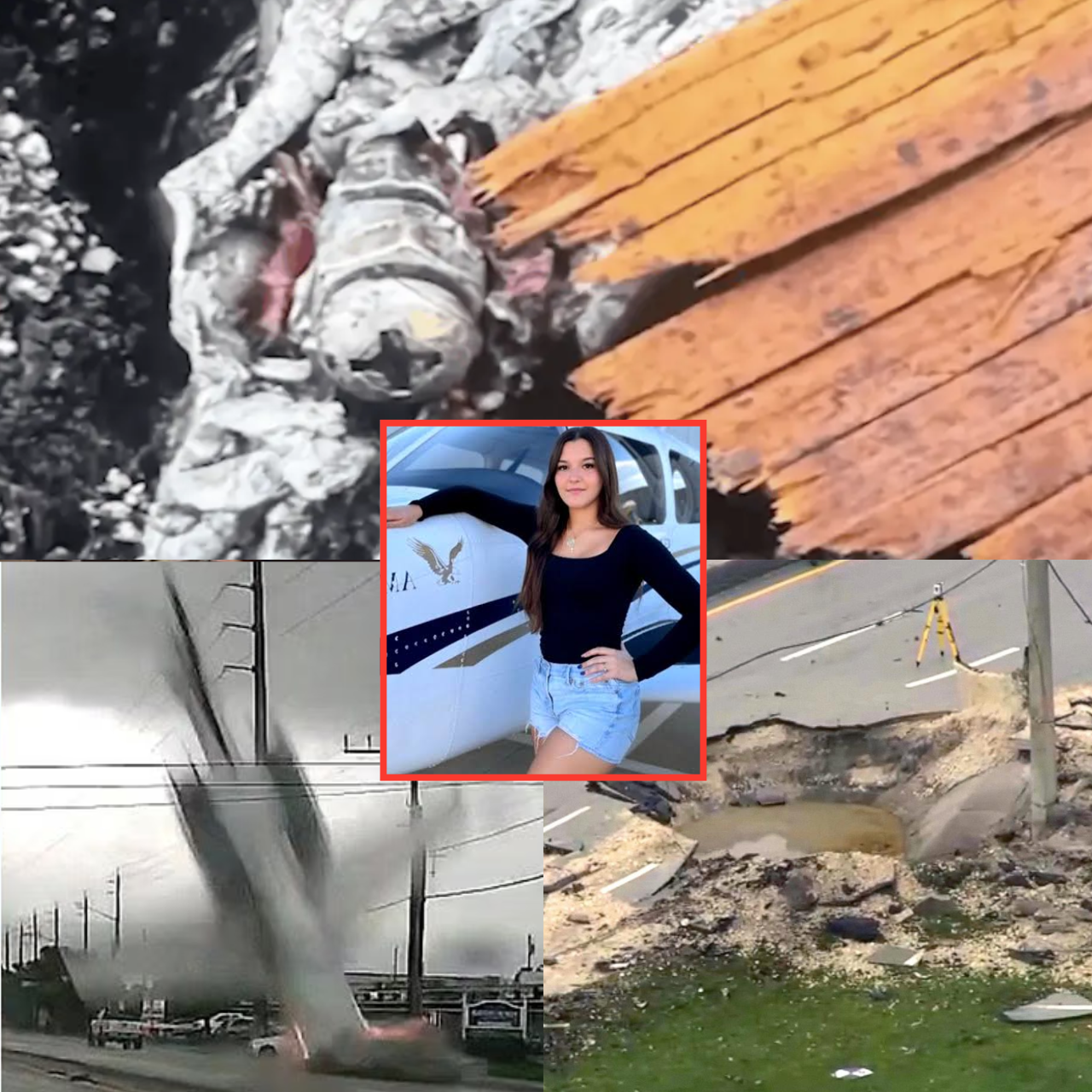
Aircraft components were recovered across the area
The NTSB identified recovered sections from both wings, both engines, the flight deck, and the tail. Investigators also located pieces of several flight-control surfaces.
The areas cleared during the search included Green Acres Mobile Home Community, Reading Truck, Silver Oaks Plaza, Value Store It Self Storage, and John I. Leonard High School. Some recovered components were sent to the agency’s laboratories in Washington, D.C., for closer inspection.
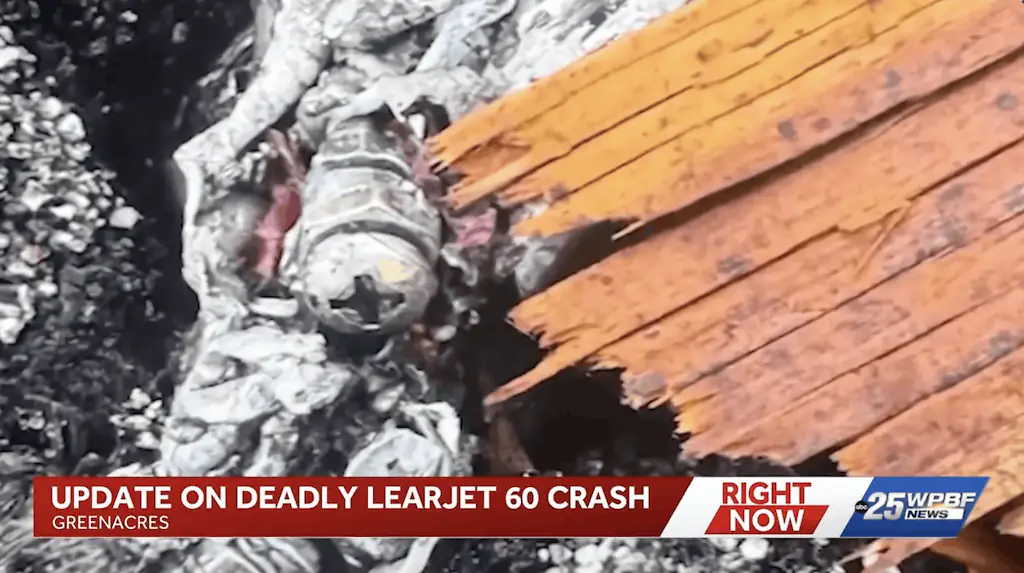
Tail pieces were found miles from the impact site
At a November 3 briefing, NTSB member Tom Chapman said investigators had found most of the aircraft’s left elevator in three pieces between 1.3 and 3.8 miles from the 𝔠r𝘢sh site.
The elevator sits on the tail and helps control the aircraft’s pitch. Its recovery away from the crater was evidence that part of the jet had separated before impact, adding to the sequence investigators needed to reconstruct.
Emergency calls captured the confusion on the ground
The Learjet had departed Austin, Texas, for the Bahamas before coming down in Palm Beach County.
In a 911 recording described by VT, one caller said their property shook before they went outside after hearing an explosion. The caller struggled to identify what had happened.
“I think an airplane, a rocket, something fell from the sky,” they told the dispatcher.
Residents were asked to leave possible wreckage in place
The NTSB urged anyone who found debris to contact investigators so they could arrange its recovery. Residents were asked to avoid moving, altering, or disposing of it and to include a photograph when reporting it.
The agency said recovering all available wreckage was ᑕriᩚtiᩚcal to understanding the 𝔠r𝘢sh. Even a small fragment could contain evidence relevant to the investigation.
The cockpit voice recorder was being evaluated at the NTSB’s Vehicle Recorders Laboratory following its recovery. With excavation completed and components collected for examination, the investigation remained ongoing.