Months before the Learjet 60 crashed in Florida, an air traffic control recording reportedly captured the same aircraft struggling to hold altitude near New Jersey.
The crew initially described the turbulence as moderate. The controller challenged that description, saying the aircraft’s inability to maintain altitude indicated something more severe.
That earlier exchange is among the details aviation commentator Captain Steeeve examined while reviewing developments in the investigation into the November 1 𝔠r𝘢sh that killed all nine people aboard.
The aircraft, registered as N722BD, was traveling from Austin, Texas, to North Eleuthera in the Bahamas when it went down near Greenacres in Palm Beach County. During its final minutes, the crew reported ice and turbulence, asked about smoother conditions, and requested permission to climb.
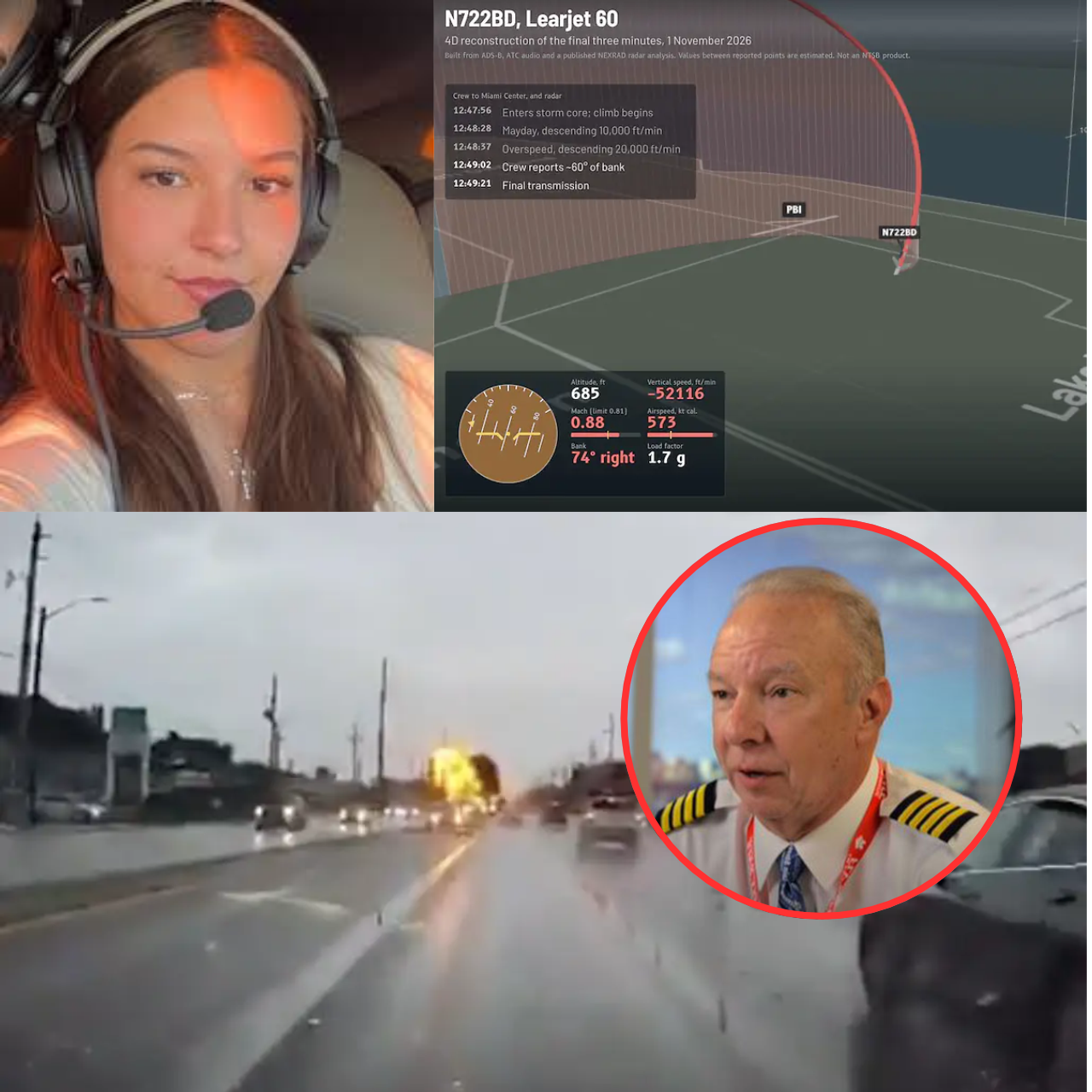
An earlier flight brought the aircraft’s history into focus
The May 2026 recording has raised questions about how that turbulence encounter was documented and what inspections followed.
In his commentary, Captain Steeeve discussed those questions alongside the evidence recovered after the fatal 𝔠r𝘢sh. The reporting reviewed does not establish that the May encounter damaged the aircraft or that an inspection was missed. Any connection between the two flights remains unresolved.

He also examined the weather along the final route
Captain Steeeve considered whether the pilots may have attempted to pass through a gap between developing thunderstorms. According to VT’s account of his analysis, he described storm tops rising rapidly and discussed the possibility of icing affecting the aircraft’s performance.
That is his interpretation of the available information. The cause of the 𝔠r𝘢sh remains under investigation.
The AOPA Air Safety Institute’s early analysis also identified the crew’s reports of clear ice, turbulence, and precipitation in the radio exchanges. Those reports document what the pilots said they were experiencing before the aircraft entered its rapid descent.
Investigators recovered the cockpit voice recorder
On November 9, the National Transportation Safety Board announced that it had found the cockpit voice recorder at the initial impact site. The device was being evaluated at the agency’s Vehicle Recorders Laboratory in Washington, D.C.
If usable data can be recovered, it could provide more context about the pilots’ conversations and their response as the emergency developed. Public attention has so far centered on radio transmissions that captured the crew reporting the deteriorating situation to air traffic control.
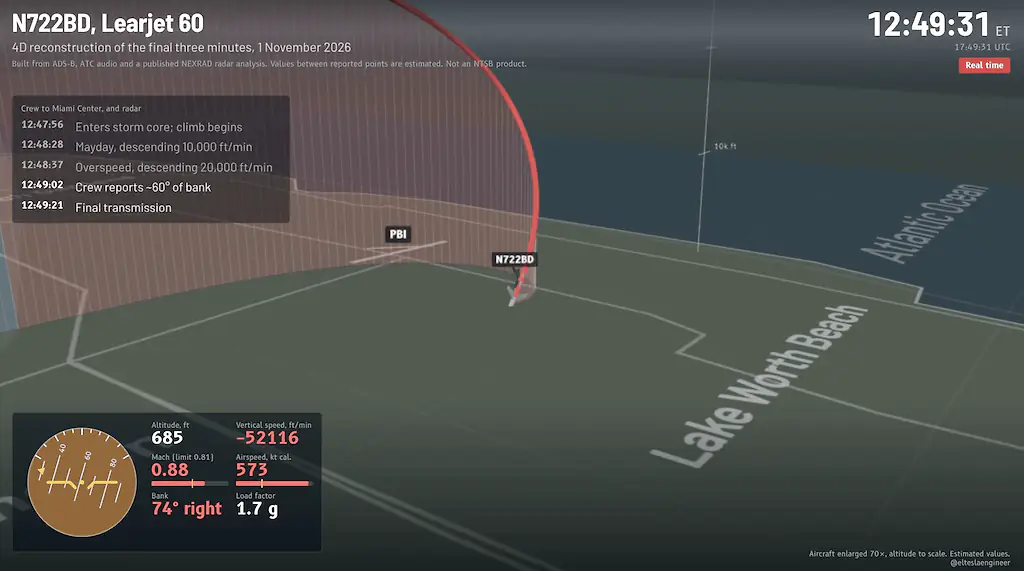
Investigators also recovered parts of both wings, both engines, the flight deck, and several flight-control components. Some of the recovered pieces were sent to NTSB laboratories for closer examination. The agency’s case page continues to list the investigation as ongoing.
The earlier turbulence recording adds another part of the aircraft’s history to examine. Establishing why this flight ended in disaster will require investigators to connect that history with the weather, recovered wreckage, and available recordings.