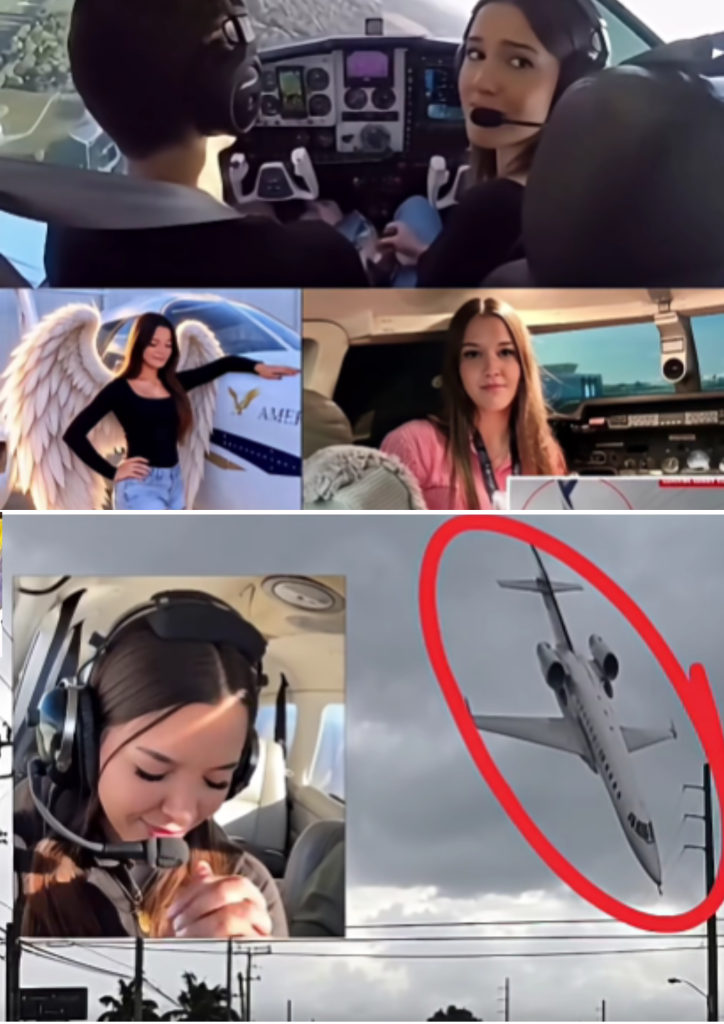
Allan Filgueiras kept replaying his daughter’s final radio calls. As a pilot who had helped teach her to fly, he knew what it took to keep talking to air traffic control in an emergency. As her father, he wished he could have been in the cockpit beside her.
His daughter, 20-year-old Nathalia Gadelha Filgueiras, was the co-pilot of the Learjet 60 that crashed near Greenacres, Florida, on November 1, 2026. All nine people on board died. In an interview that aired November 12 on Good Morning America, Allan said listening to the recording was painful. He also explained what he still wanted to understand: Why had the aircraft taken that route through difficult weather?

The crew reported ice at 35,000 feet. Then came the mayday.
The Learjet was flying from Austin, Texas, to North Eleuthera in the Bahamas when the crew reported icing and moderate turbulence. ABC News reported that the pilots requested a better route before the aircraft went into a rapid descent. Captain Jeff Gregory, 55, was in the cockpit with Nathalia, who was handling radio communications.
As the jet fell, Nathalia declared an emergency. During one transmission, she reported that the aircraft was traveling too fast and descending at about 20,000 feet per minute. Her father said he heard her continuing to do her job as the situation worsened.
Both pilots and seven passengers were killed. Among the passengers were Adam Robinson and Helen Sharp, their two young children, Emma and Charlie, and Anita Maria Cetina, Rachael Reed, and Charmi Fehr.
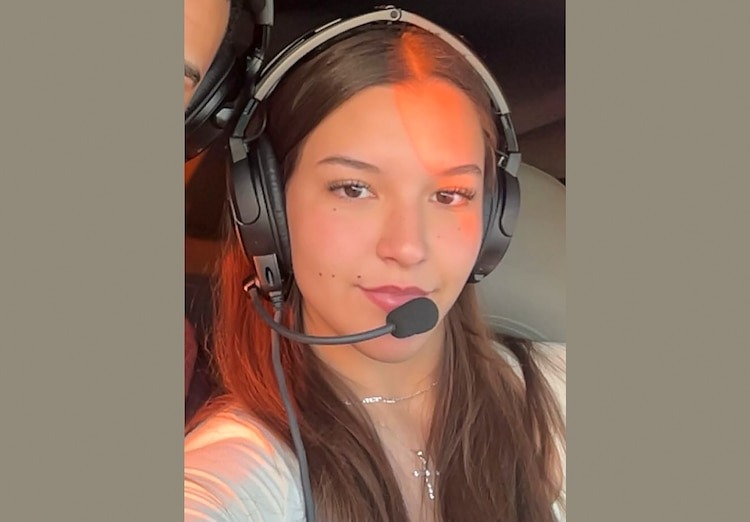
Her father defended her qualifications
Allan described Nathalia as a capable pilot who took her responsibilities seriously. The Associated Press reported that she had logged more than 1,300 flight hours and completed training for her commercial pilot’s license and Learjet certification. Her father said the recording captured the courage he saw in the way she handled the emergency.
The route was among the questions he raised with ABC News. Given the options available to a jet crew, he wanted to understand what led to the path they took and why they didn’t go around the weather. His attorneys, Andrew Yaffa and Stuart Grossman, said they also wanted to inspect the aircraft and review its maintenance records.
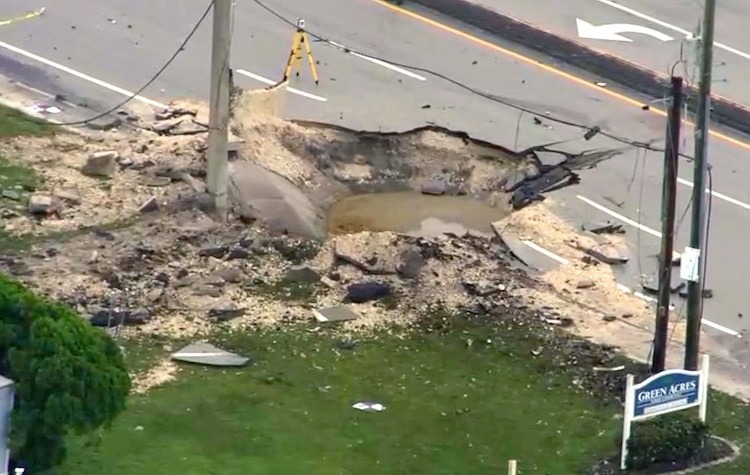
Pieces of the tail were found miles from the 𝔠r𝘢sh site
Investigators recovered the jet’s left elevator, a movable surface on the tail that helps control the aircraft’s pitch, in three pieces. Some were found nearly four miles from the impact site. An NTSB official said investigators were still trying to determine whether the part’s separation contributed to the 𝔠r𝘢sh or occurred under the forces of the rapid descent.
On November 9, the NTSB announced that it had recovered the cockpit voice recorder and was examining it at its laboratory in Washington, D.C. The investigation remains open. For Allan, the questions he raised in the interview are part of trying to make sense of his daughter’s dєatᩚh. “I need some answers to try to find peace,” he told ABC News.