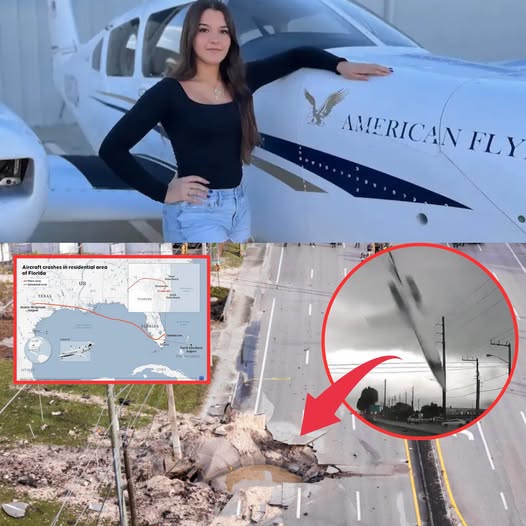
The controller wanted to know why the Learjet was climbing. A pilot replied that the crew had been about to call. They were encountering what she described as moderate turbulence, and they were having trouble holding their altitude.
The controller responded with an instruction to descend immediately to 4,000 feet. Then he asked a question about the report he had just heard. If the aircraft couldn’t maintain altitude, was the crew actually experiencing severe turbulence? Voices on the flight frequency answered in the affirmative.
The exchange took place over New Jersey in May
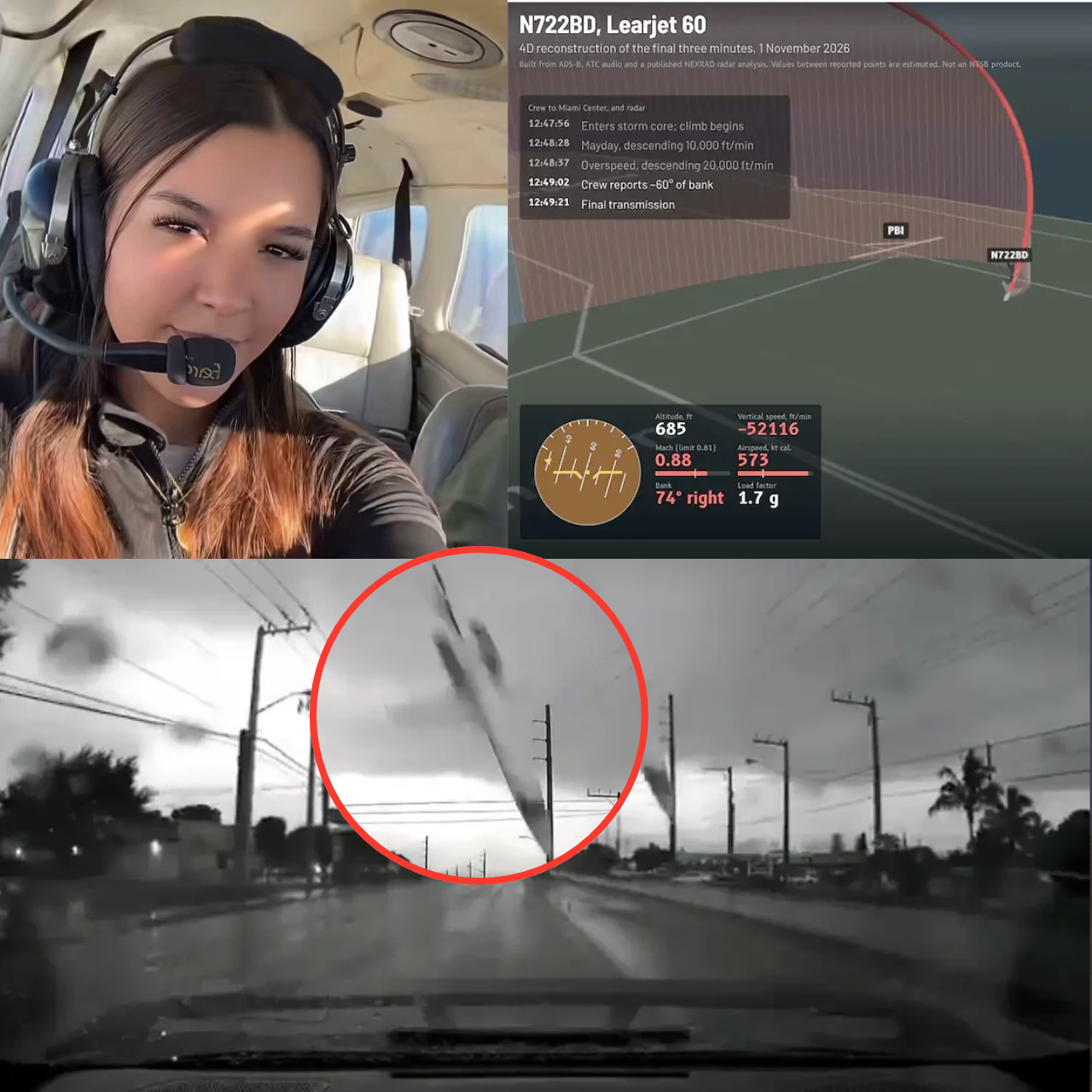
The radio call came from a flight near Newark, New Jersey, months before the same Learjet 60 crashed near Greenacres, Florida. The recording resurfaced after the November 1 accident, when aviation commentator Captain Steeeve played it during a review of the 𝔠r𝘢sh. The aircraft was identified as N722BD. The identity of the woman heard in the May recording remains unconfirmed.
The Newark exchange turned on a specific detail. The pilot had used the word moderate, but had also told the controller the crew couldn’t hold altitude. The controller focused on what the aircraft was doing, issued the descent instruction and asked the crew to clarify the severity of the turbulence.
Months later, the crew asked where the ride might improve
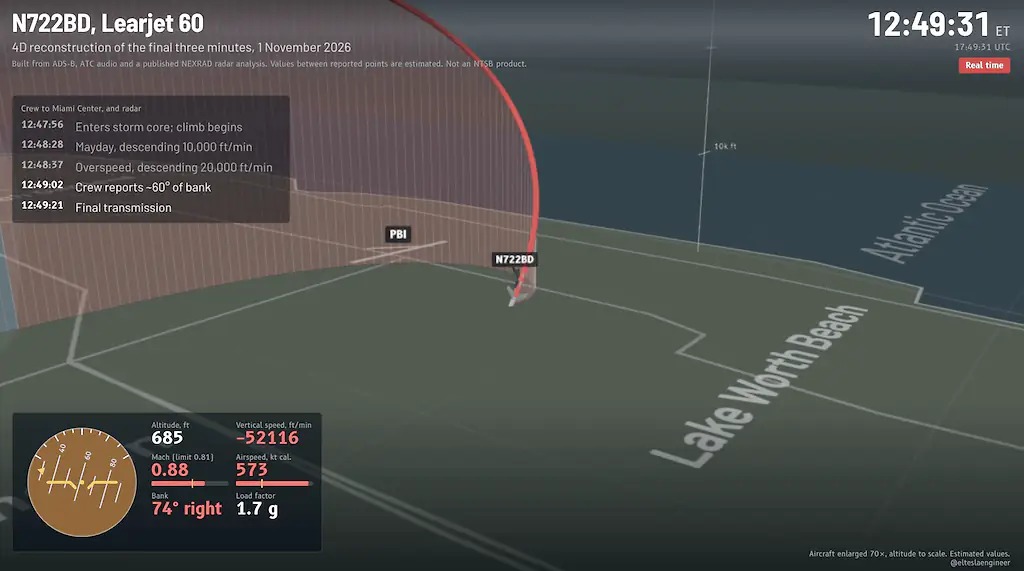
On November 1, the Learjet was flying from Austin, Texas, to North Eleuthera in the Bahamas. As the crew approached South Florida, a controller warned that a requested turn toward Freeport could take the jet toward a thunderstorm. The crew initially flew south around the weather before turning east.
Later, co-pilot Nathalia Gadelha Filgueiras told another controller that turbulence was causing altitude swings of up to about 700 feet and that light ice was building on the aircraft. She asked whether smoother conditions were available. The controller said the ride improved in his airspace. As the crew encountered precipitation, they requested a climb to 37,000 feet. The radio calls soon shifted to a Mayday and reports of a rapid descent.
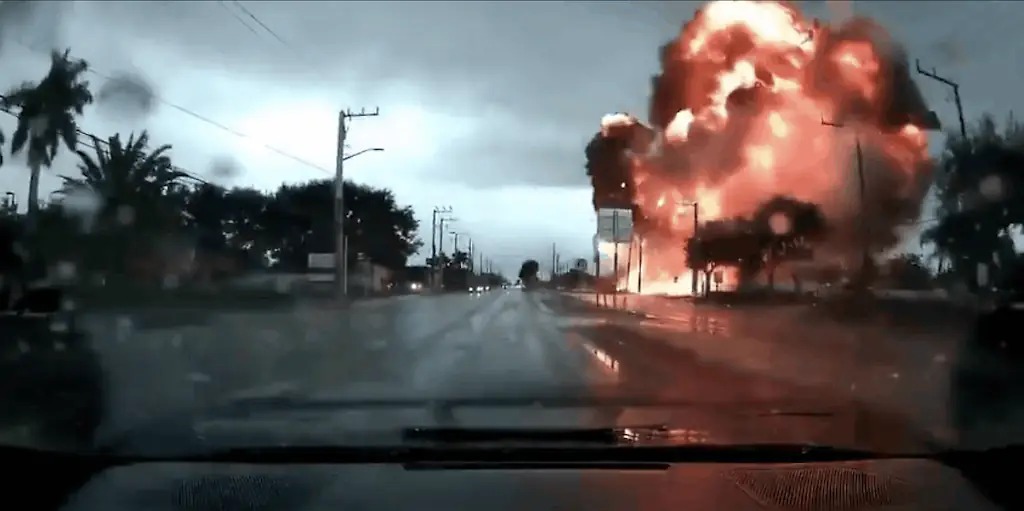
What investigators are examining
All nine people aboard died in the Florida 𝔠r𝘢sh, including Filgueiras and Captain Jeff Gregory. The National Transportation Safety Board has recovered aircraft components and the cockpit voice recorder. Investigators can compare the cockpit recording with the public radio calls, the flight path and weather information to reconstruct the events before the descent. The cause of the 𝔠r𝘢sh remains under investigation.