The Bahamas-bound Learjet had already received a warning about weather along its route. Later, the crew switched radio frequencies and checked in with another air traffic controller. That exchange caught the attention of a veteran pilot reviewing the flight’s final minutes. With a storm cell ahead on the weather display he was reviewing, he wondered what the controller and the crew could see at that moment.
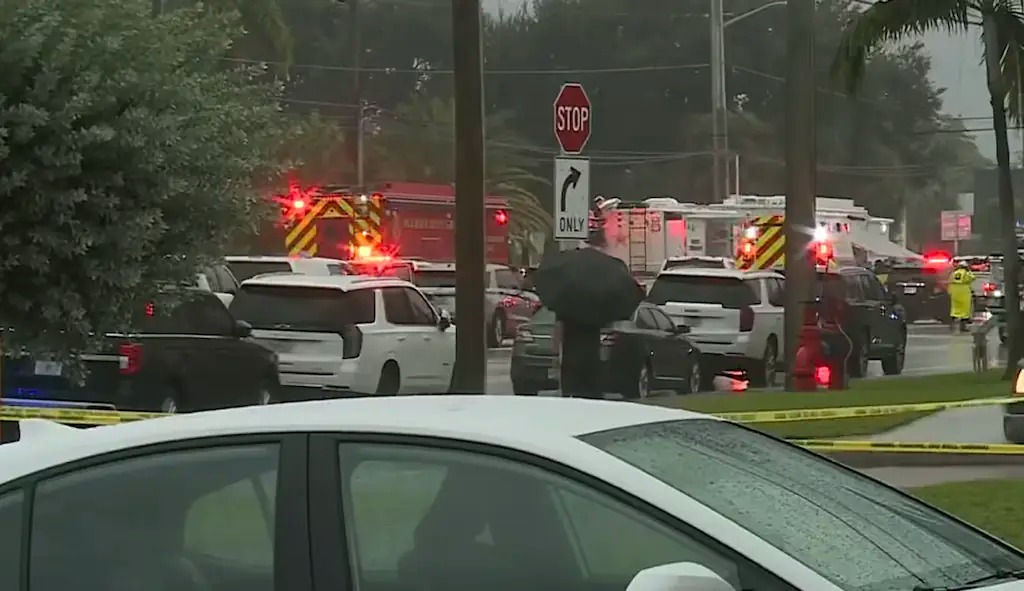
The Learjet 60 was flying from Austin, Texas, to North Eleuthera in the Bahamas when it crashed near Greenacres, Florida, on November 1. All nine people aboard died, including Captain Jeff Gregory and co-pilot Nathalia Gadelha Filgueiras.
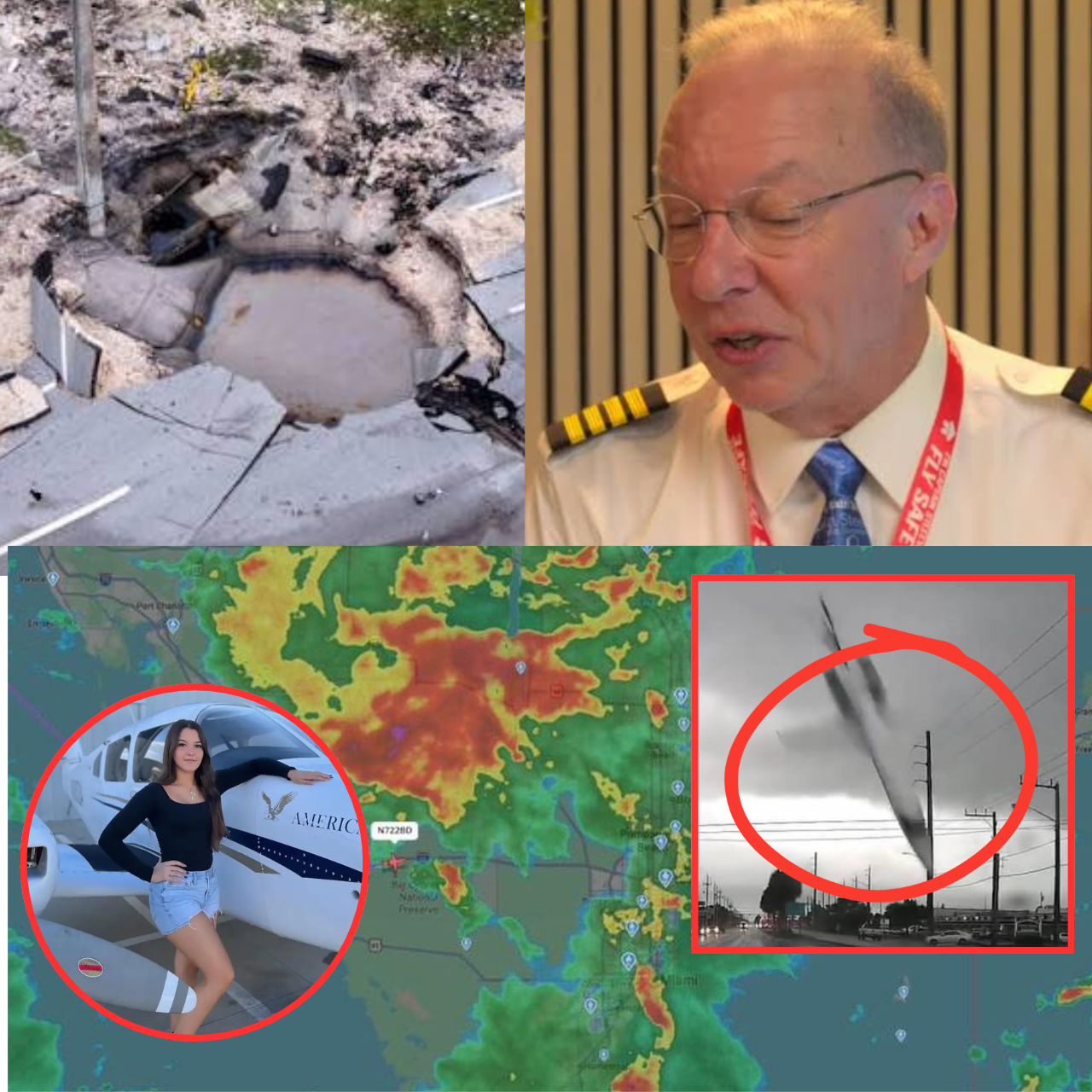
The radio handoff raised a question about the storm ahead
In a video review of the LiveATC recordings, the pilot known online as Captain Steeeve pointed to a patch of yellow and red on a weather display along the jet’s projected path. He said he would steer around a storm if it appeared that way on his own aircraft’s radar.
That left him with two questions. What weather information was available to the controller as the crew checked in on the new frequency? And what was showing on the Learjet’s own radar? The public radio recording captures what was said. Both displays would need to be understood in the context of the flight path and the timing of the handoff.
There had been an earlier warning. According to CNN’s review of the audio, a controller told the crew that a requested turn toward Freeport could take them toward a thunderstorm. Captain Steeeve’s review focused on the later exchange and what the people involved could see by then.
Then came a report of swings of about 700 feet
Another detail stood out in the audio. The crew described the turbulence as moderate, but also reported swings of about 700 feet above and below their altitude. In Captain Steeeve’s view, the size of those swings suggested conditions he would describe as severe.
The crew had also reported icing. After encountering precipitation, they asked to climb to 37,000 feet. The calls that followed shifted from weather reports to an emergency. In one transmission, the crew reported that the aircraft was descending at about 20,000 feet per minute and had entered an overspeed condition.
What investigators still have to piece together
The National Transportation Safety Board has recovered aircraft components and the cockpit voice recorder. The cockpit recording could add context to the public radio calls by capturing what the pilots discussed between transmissions. Investigators can compare those exchanges with the flight path, weather data and recovered wreckage.
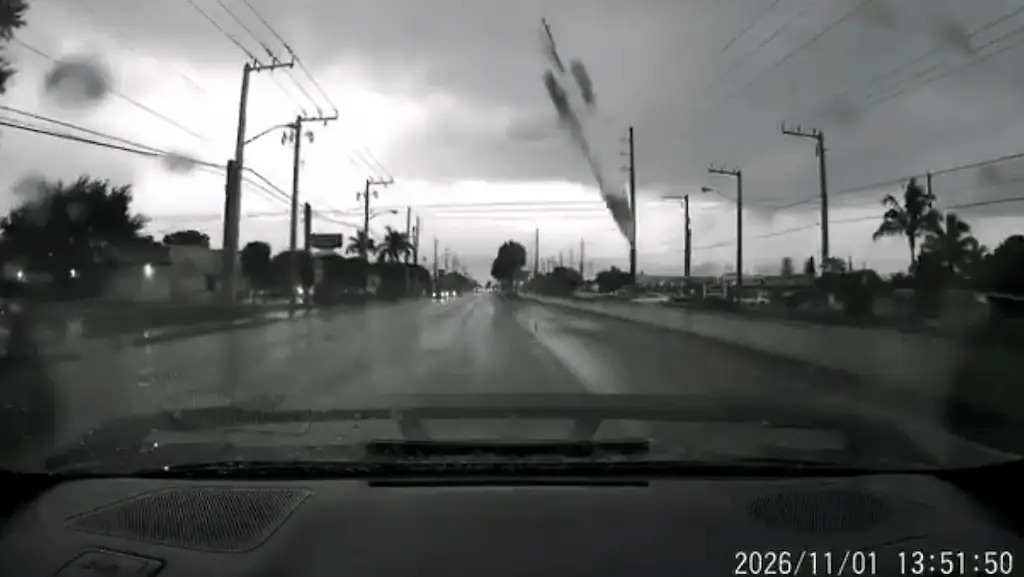
Captain Steeeve’s review points to a specific stretch of the timeline, from the earlier weather warning to the handoff and the crew’s report of altitude swings. How those events fit into the sequence that led to the 𝔠r𝘢sh remains part of the investigation.