The Learjet crew had just asked to climb above the weather. Soon afterward, the controller heard a Mayday. The pilots reported that the aircraft was descending at 10,000 feet per minute. By the time they called again, the rate they reported had doubled.
The Learjet 60 was flying from Austin, Texas, to North Eleuthera in the Bahamas on November 1 when it went down near Greenacres, Florida. All nine people aboard were killed. An independent reconstruction now puts the last radio calls alongside an overhead view of the flight path, showing how quickly a request to climb turned into a descent emergency.
From a request to climb to an emergency call
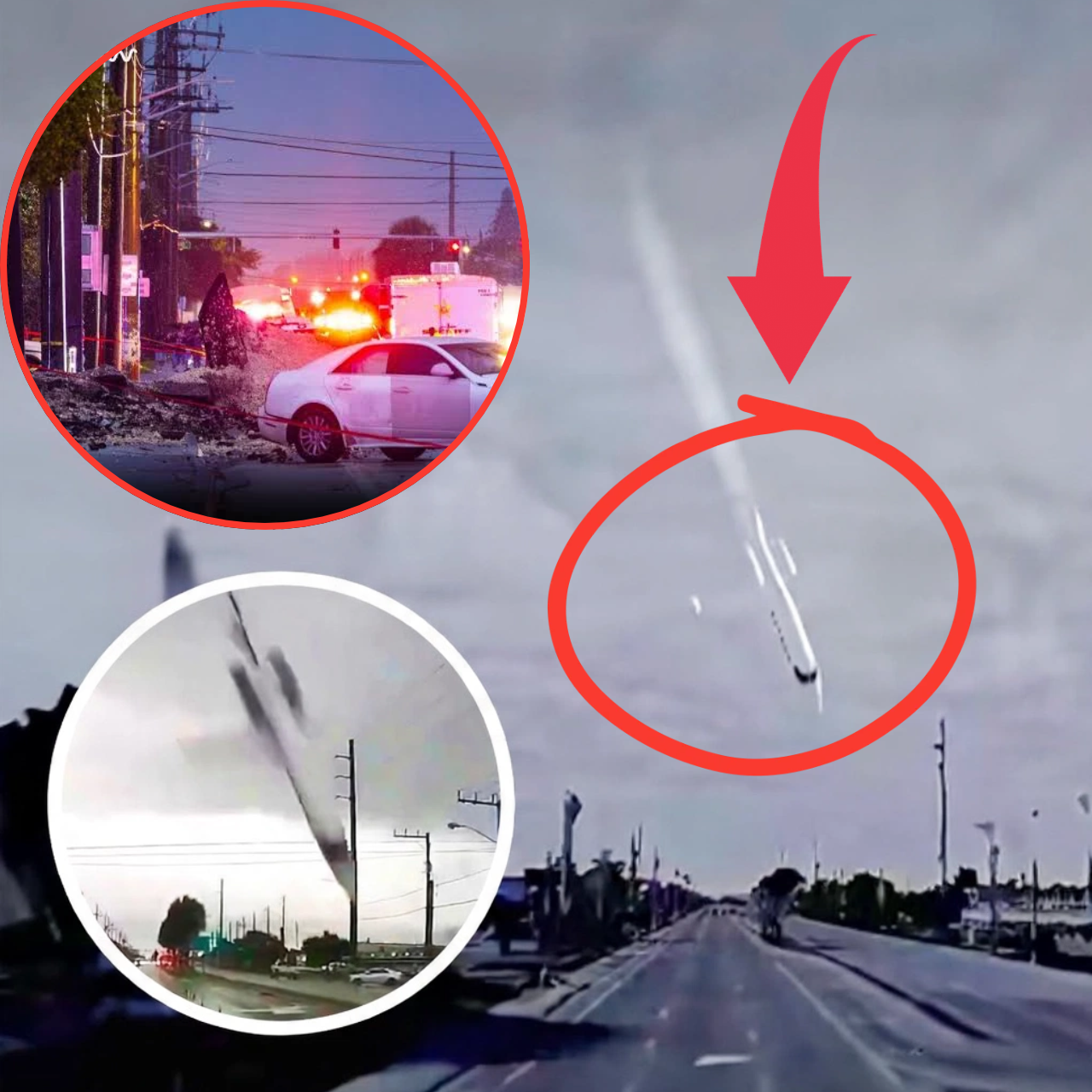
The reconstruction, shared by video creator Bilawal Sidhu, combines flight-tracking data, weather radar, air traffic control audio and eyewitness footage. The overhead view is an animation. The radio calls heard in it come from the flight.
Before declaring an emergency, the crew reported icing and moderate turbulence. As they encountered precipitation, they requested a climb to 37,000 feet. The controller cleared the jet to climb. Then came the call that changed the conversation. The aircraft was losing altitude at a rate the crew reported as 10,000 feet per minute.
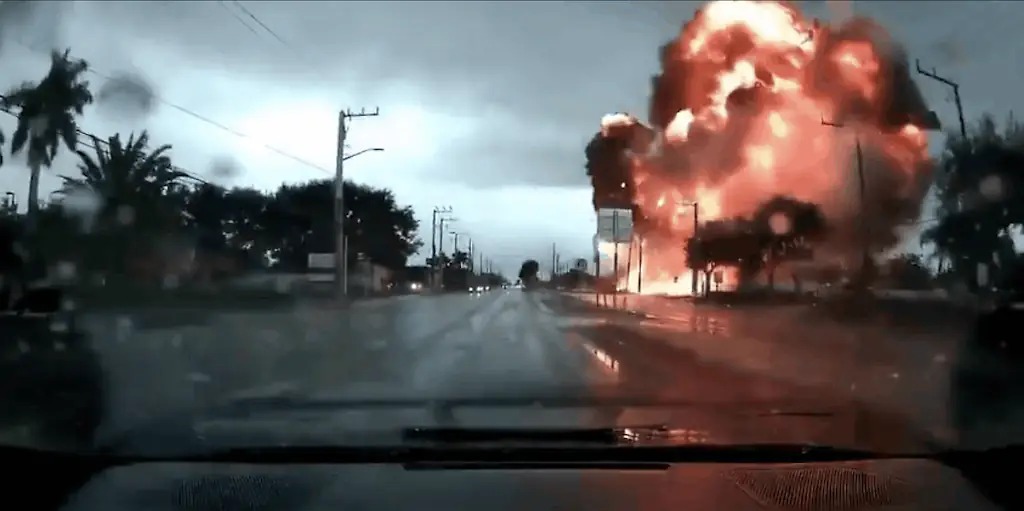
In a later transmission, the crew reported an overspeed condition and a descent of approximately 20,000 feet per minute. At that rate, an aircraft loses roughly 333 feet of altitude every second. The figure describes the descent rate reported at that point in the emergency. The crew also reported that the jet was banking steeply.
A family of four was among the nine people aboard
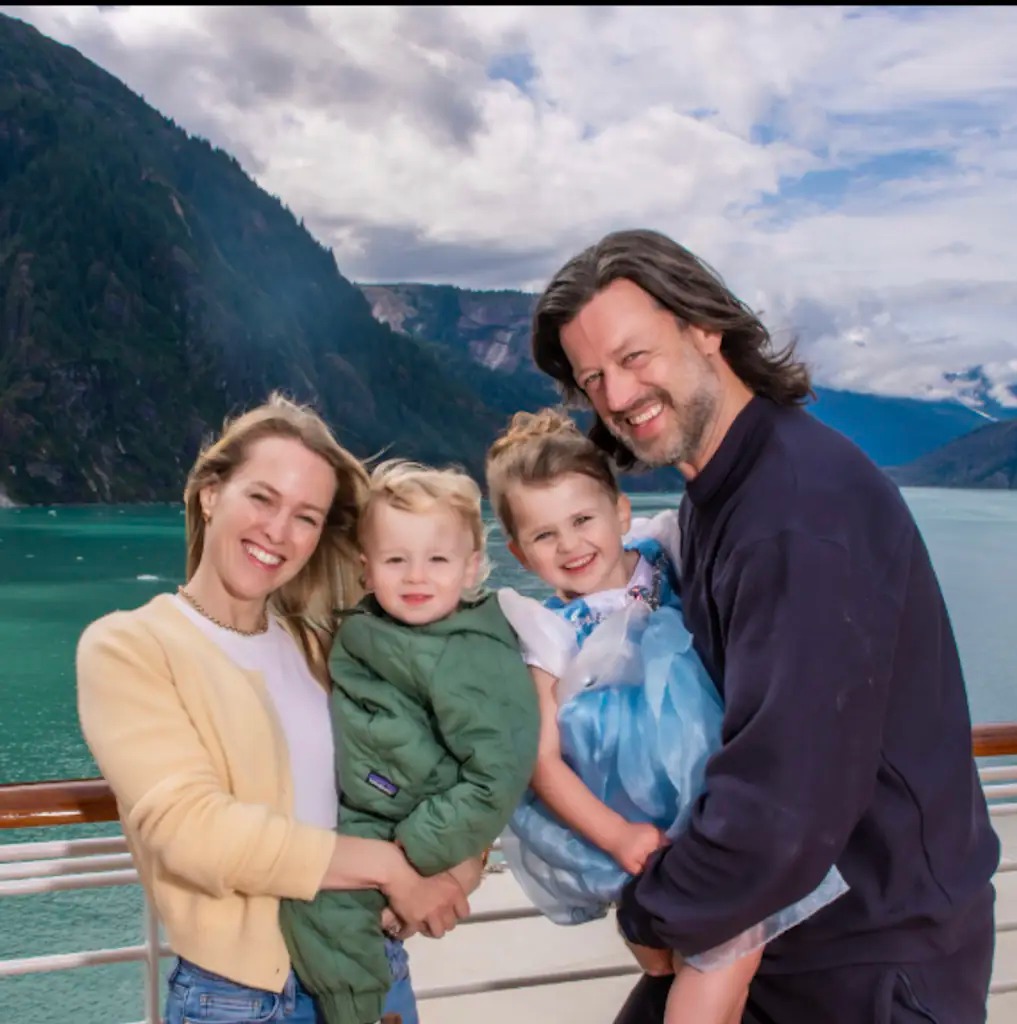
Adam Robinson was traveling with his wife, Helen Sharp, and their children, Emma, 4, and Charlie, 2. Their nanny, Anita Maria Apellido Cetina, and family friends Rachael Reed and Charmi Fehr were also aboard. Captain Jeffrey Gregory, 55, and co-pilot Nathalia Gadelha Filgueiras, 20, were the two crew members.

In a joint statement, relatives remembered Robinson and Sharp as devoted parents. They described Reed and Fehr as people who loved adventure and spoke of the care Cetina gave Emma and Charlie. The families also thanked first responders and asked for privacy as they grieved.
What investigators are examining now
The radio calls show what the crew reported as the emergency unfolded. Investigators also have evidence from the aircraft itself. The NTSB recovered parts of both wings, both engines and several flight-control components. On November 9, the agency said it had recovered the cockpit voice recorder and was evaluating it at its laboratory in Washington, D.C.
The cockpit recording could add context to the exchanges heard over the radio. Investigators can compare it with the flight path, weather data and recovered wreckage as they work to determine what sent the Learjet into its rapid descent. The cause remains under investigation.