“Don’t Remember How I Died… Remember How I Lived.” — Will Roberts’ Final Goodbye Is Breaking Hearts Worldwide
The sentence is quiet.
Almost gentle.
And yet it has broken hearts across the world.
“Don’t remember how I died… remember how I lived.”
When those words from Will Roberts were shared, they did not arrive as a dramatic declaration.
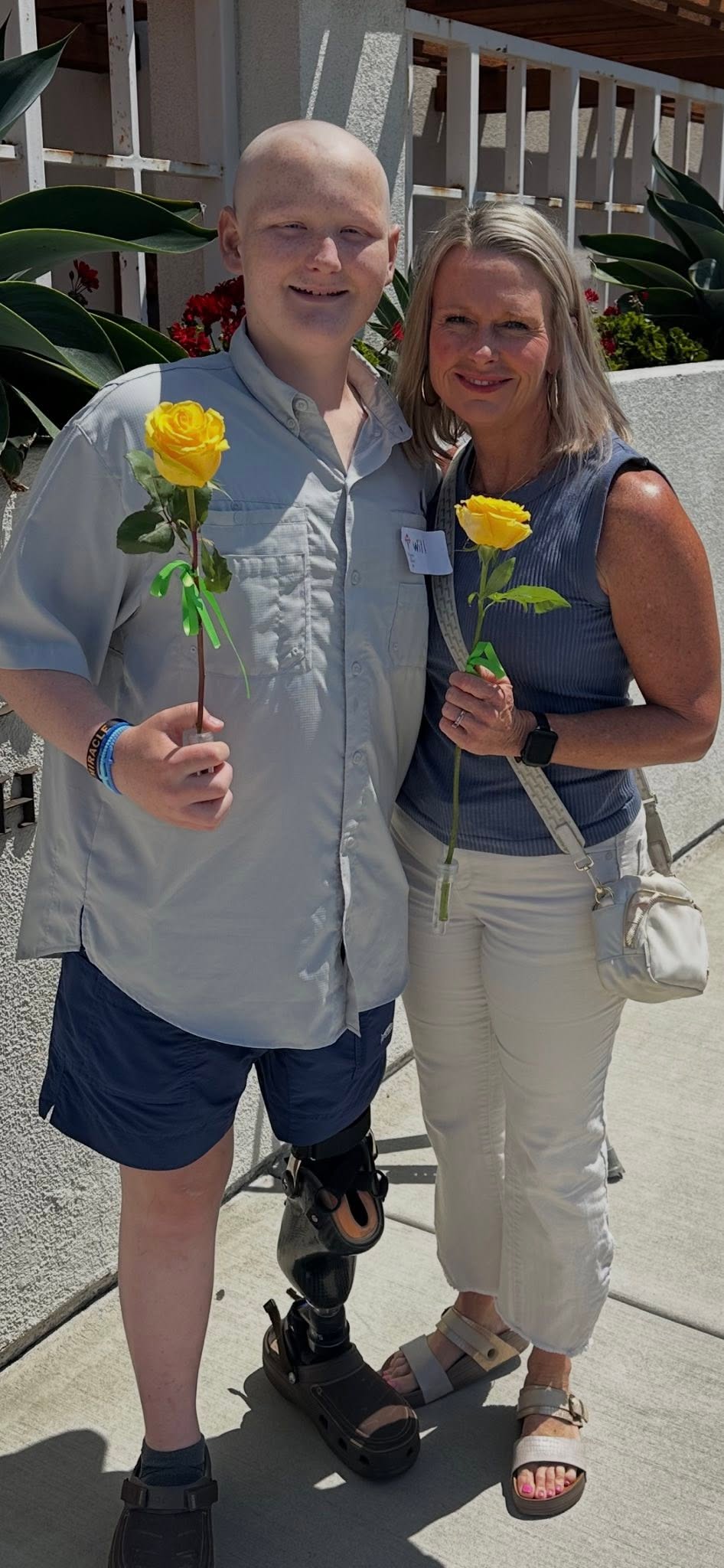
They arrived as a final request from a fifteen-year-old boy who had already endured more than most people face in a lifetime.
In that request, he gave the people who loved him — and the millions who followed his story — a different way to carry his memory.
The Weight of a Final Instruction
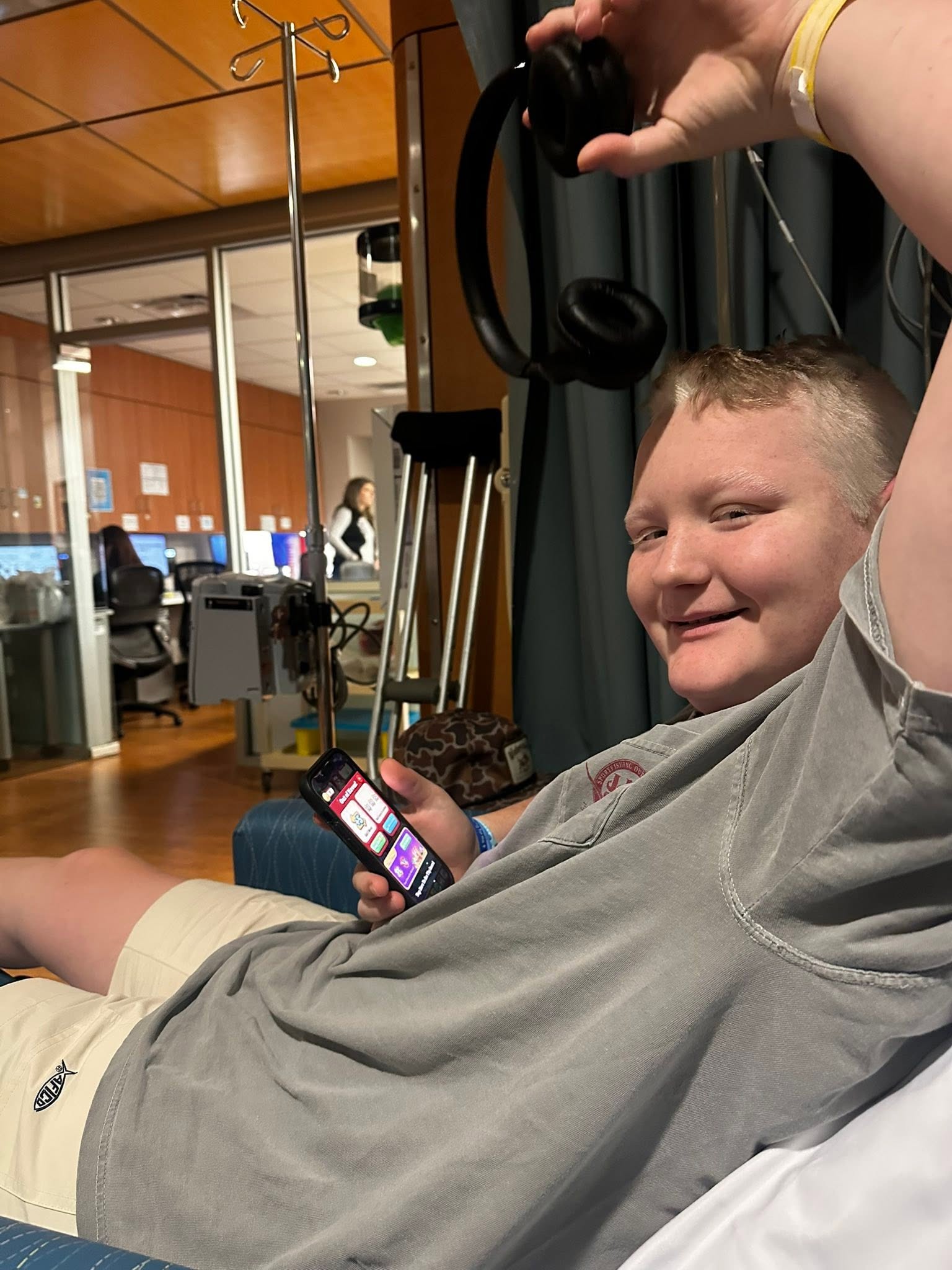
There are many ways a person can leave the world.
Some leave silence. Some leave unfinished conversations. Some leave the sharp edge of everything that was taken too soon.
Will Roberts left an instruction.
He asked not to be remembered primarily for the ending.
He asked to be remembered for the life that came before it.
In a story that had been filled for so long with medical updates, difficult nights, and the public language of fighting disease, that request redirected the entire focus.
Away from the hospital bed. Away from the final decline. Toward the boy who had still laughed, still hoped, still loved, and still tried to protect the people around him.
A Life Larger Than the Disease

For much of the time the public knew him, Will’s name appeared beside the language of illness.
Treatments. Setbacks. Small victories measured in hours out of bed or improved scans.
Those facts were real. They mattered.
But they were never the whole of him.
He was a boy who wanted to play baseball one more time. A boy who wanted to go fishing with his parents. A boy who wrote letters meant to steady his mother’s heart. A boy who still found ways to offer comfort even while he was the one suffering.
His final goodbye asks the world to hold those truths first.
Not the disease. Not the ending.
The living.
Why the Words Hurt So Much
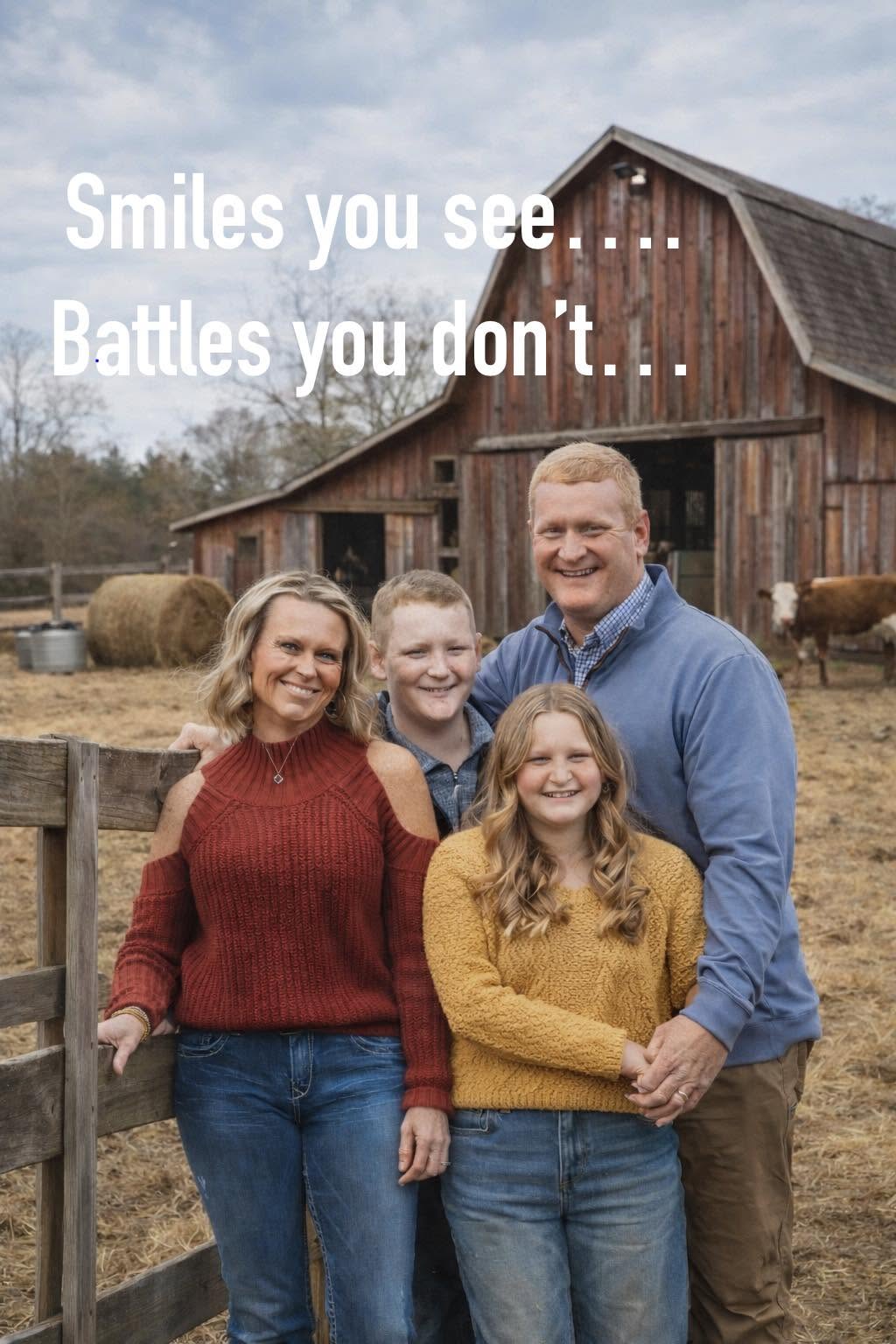
The request is painful precisely because it is generous.
It would have been understandable for a child who had lost so much to leave behind only the raw fact of that loss.
Instead, Will used some of his remaining strength to guide the memory of the people who would outlive him.
He tried to protect them from being trapped inside the hardest images.
He tried to point them back toward the fuller person he had been.
That generosity is what has made the message travel so far.
People hear a boy who, even at the end, was still thinking about how his story would sit inside the hearts of others.
A Mother Receiving the Words
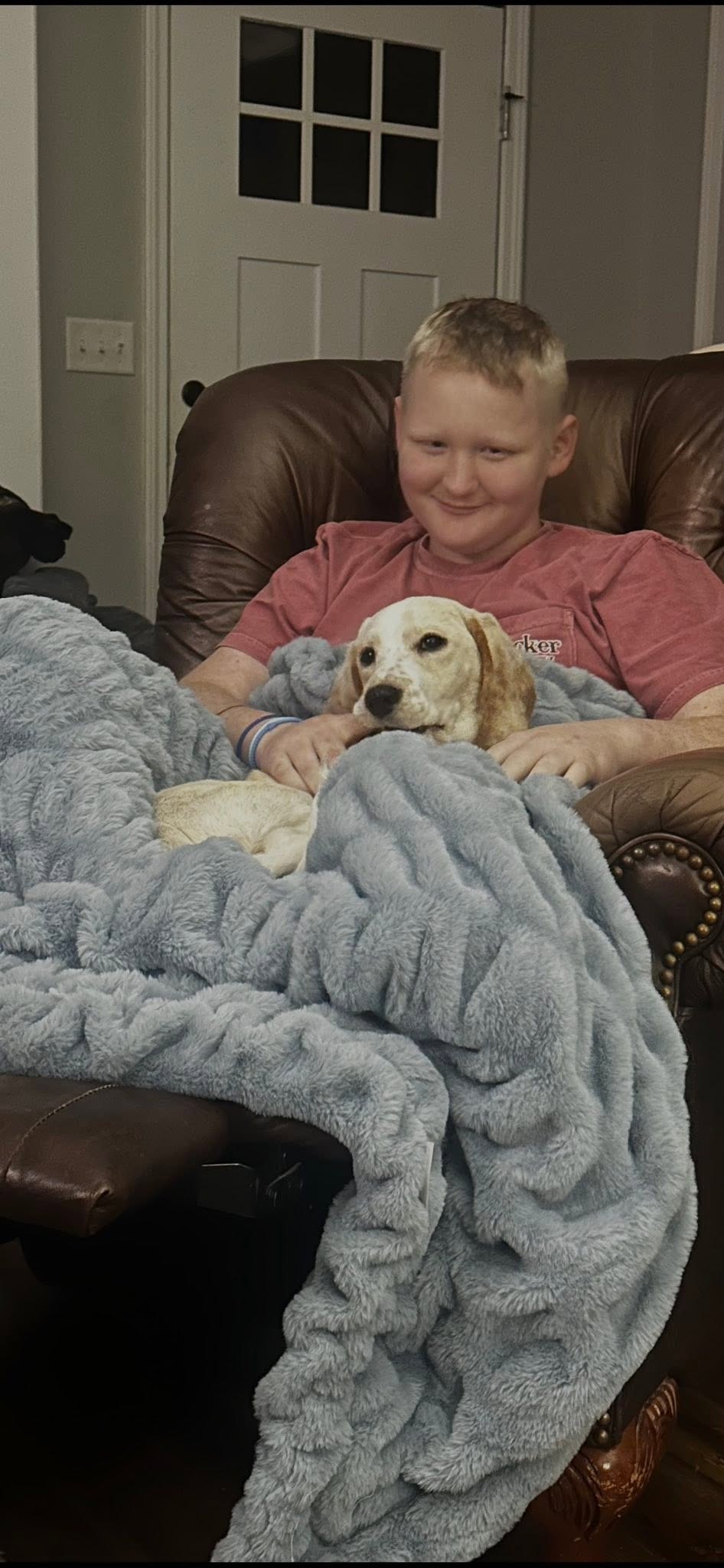
For Britney Roberts, the sentence carries a weight no stranger can fully measure.
She was present for the living. She was present for the dying.
She knows both parts of the story in a way the public never will.
When a child asks a parent to remember the life rather than the dєatᩚh, the parent is being asked to do something both beautiful and almost impossible.
Because the dєatᩚh is the part that still hurts in the body. The absence is the part that rearranges every ordinary day.
And yet the request remains.
Remember how I lived.
In the sharing of those words, Britney has allowed the wider world to receive the same instruction her son left for her.
The Global Response
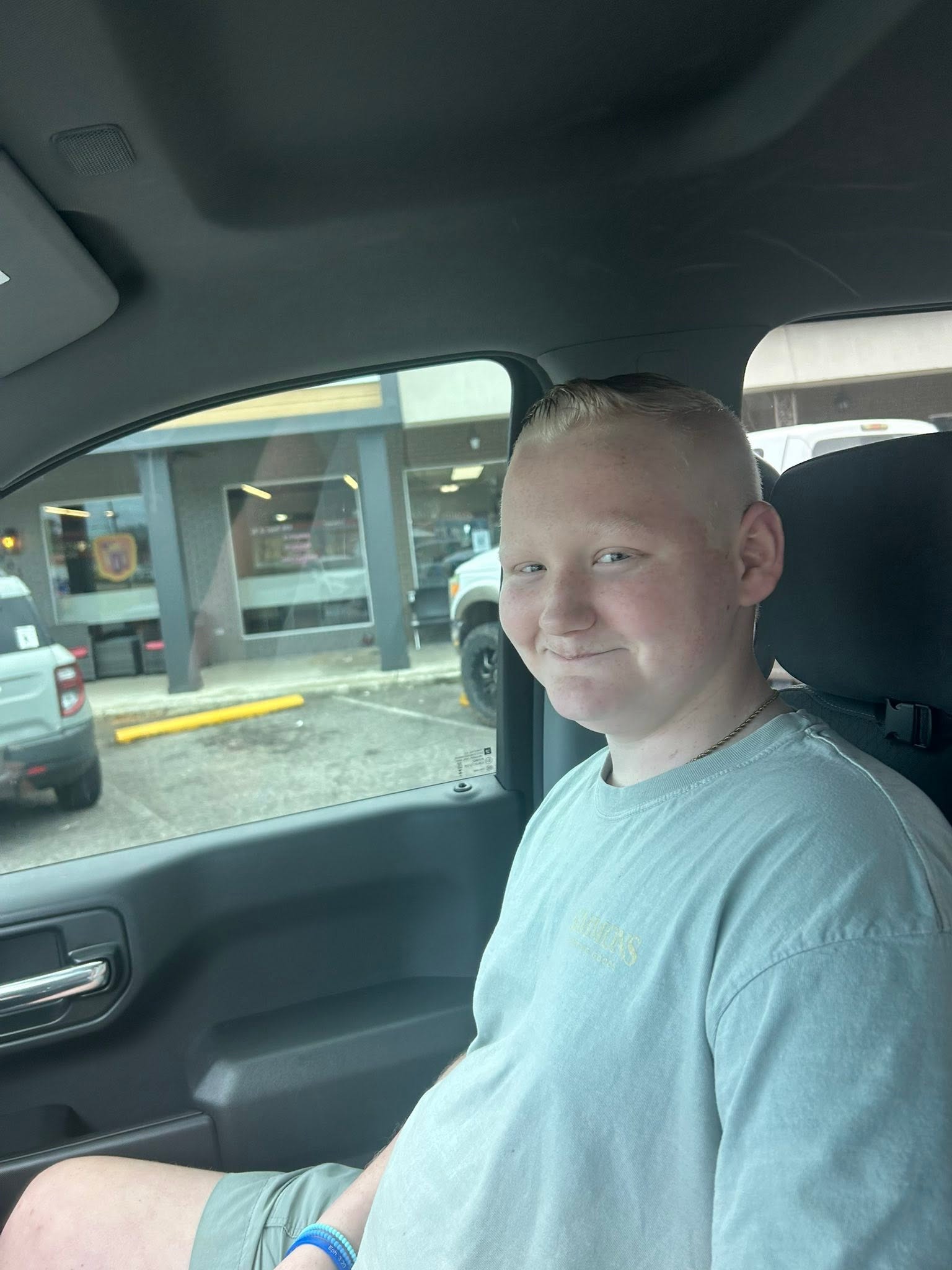
The message spread quickly.
People who had followed Will’s journey for months said the sentence undid them. Parents said it made them look at their own children with a sharper sense of the present. Others said it gave them language for griefs they had been carrying in silence.
Many recognized the deeper challenge inside the words.
It is easier to remember the ending because the ending is sharp. It is harder — and more faithful — to keep returning to the life that came before it.
Will’s goodbye asks for that harder work.
What Remembering the Life Requires
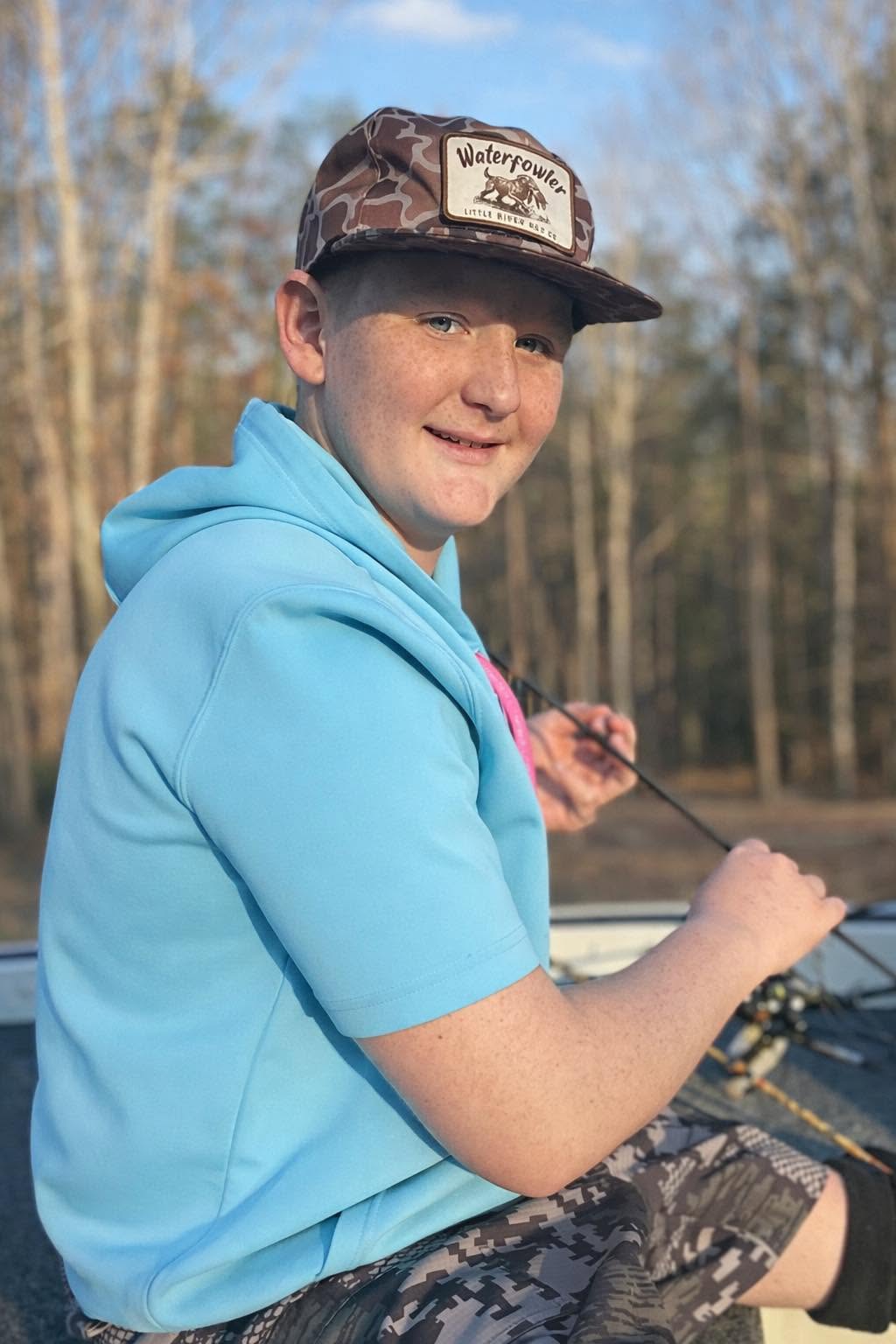
To remember how Will lived is to remember more than courage in the abstract.
It is to remember a teenager who still wanted ordinary joys. It is to remember the small kindnesses he offered while in pain. It is to remember the faith that surfaced in his words and in his family’s steady witness. It is to remember the community that formed around hope, prayer, and shared attention.
It is also to remember that a short life can still be a full one in the ways that matter most.
Love given. Comfort offered. A heart that kept turning outward.
Those things do not require decades in order to be real.
The Legacy of a Redirected Memory

In the end, Will Roberts’ final goodbye does something rare.
It does not only express love. It directs memory.
It tells the people left behind where to stand when the grief feels overwhelming.
Not only at the edge of the loss. But inside the larger truth of a life that, though brief, was marked by connection, resilience, and care for others.
“Don’t remember how I died… remember how I lived.”
The words are breaking hearts worldwide because they come from a boy who had every reason to leave behind only the record of what was taken from him.
Instead he left a request that continues to give.
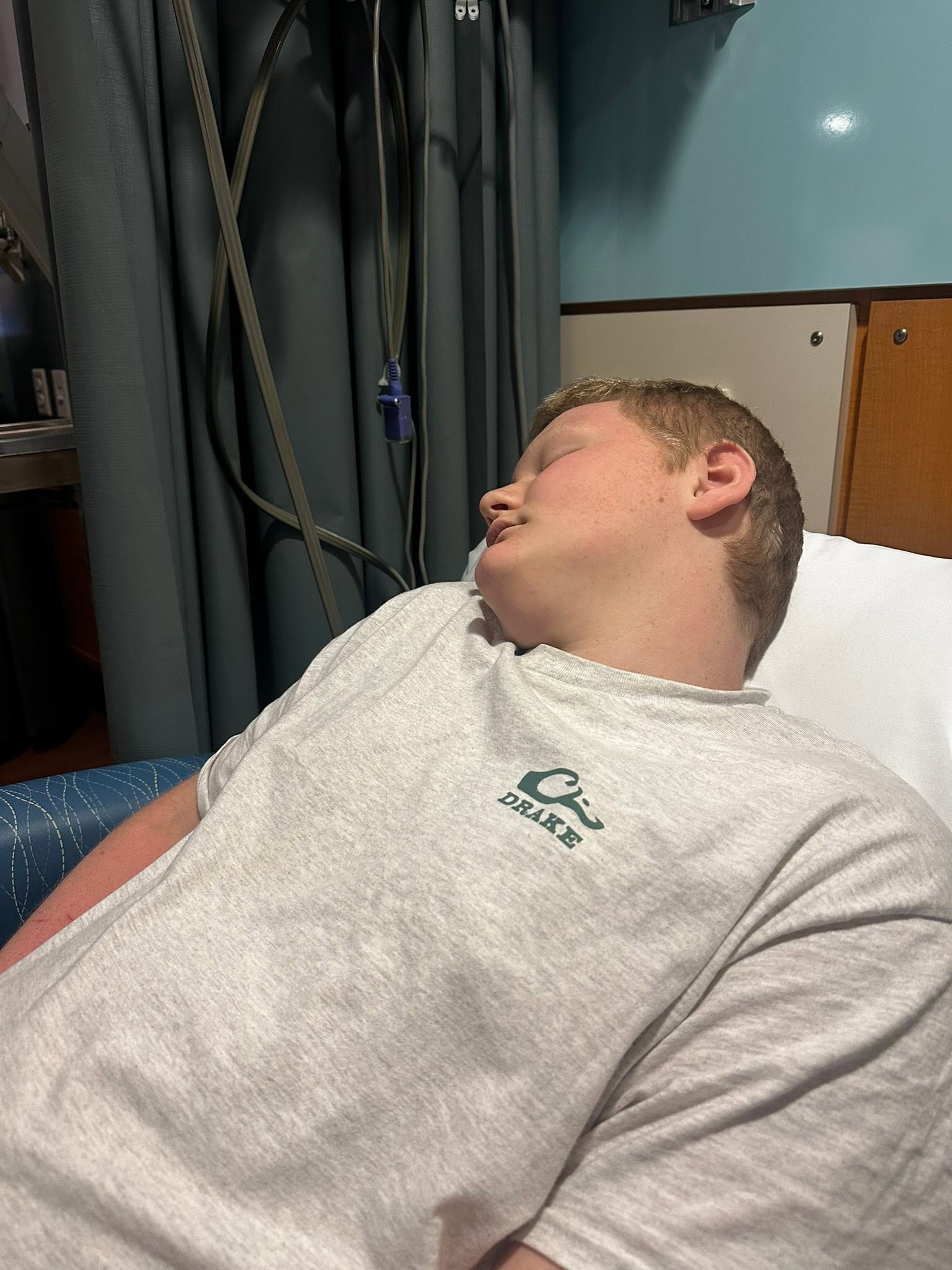
He asked to be remembered as more than his ending.
And in the millions of people now carrying that request, the living part of his story is still moving forward.
Not as a medical timeline.
As a life.