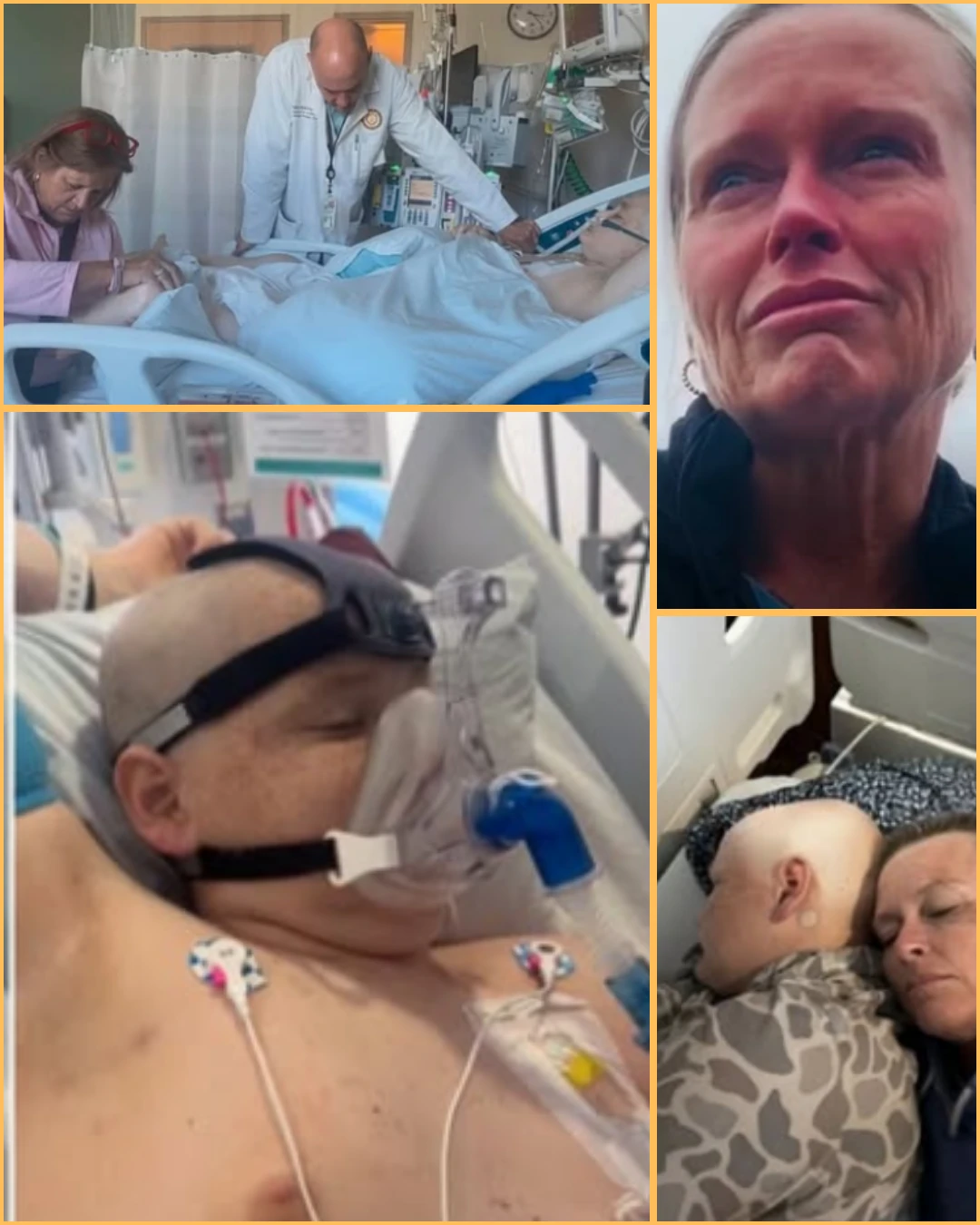
“Come Home, My Son”—The Words Brittney Whispered When Love Had to Let Go
There are moments a mother spends her entire life trying not to imagine.
She may fear them in the quietest hours, when the house is dark and every fragile possibility feels closer than it does in daylight. She may pray against them, push them from her thoughts, and tell herself that hope must always be stronger than fear.
Yet when the unthinkable finally arrives, no preparation is enough.
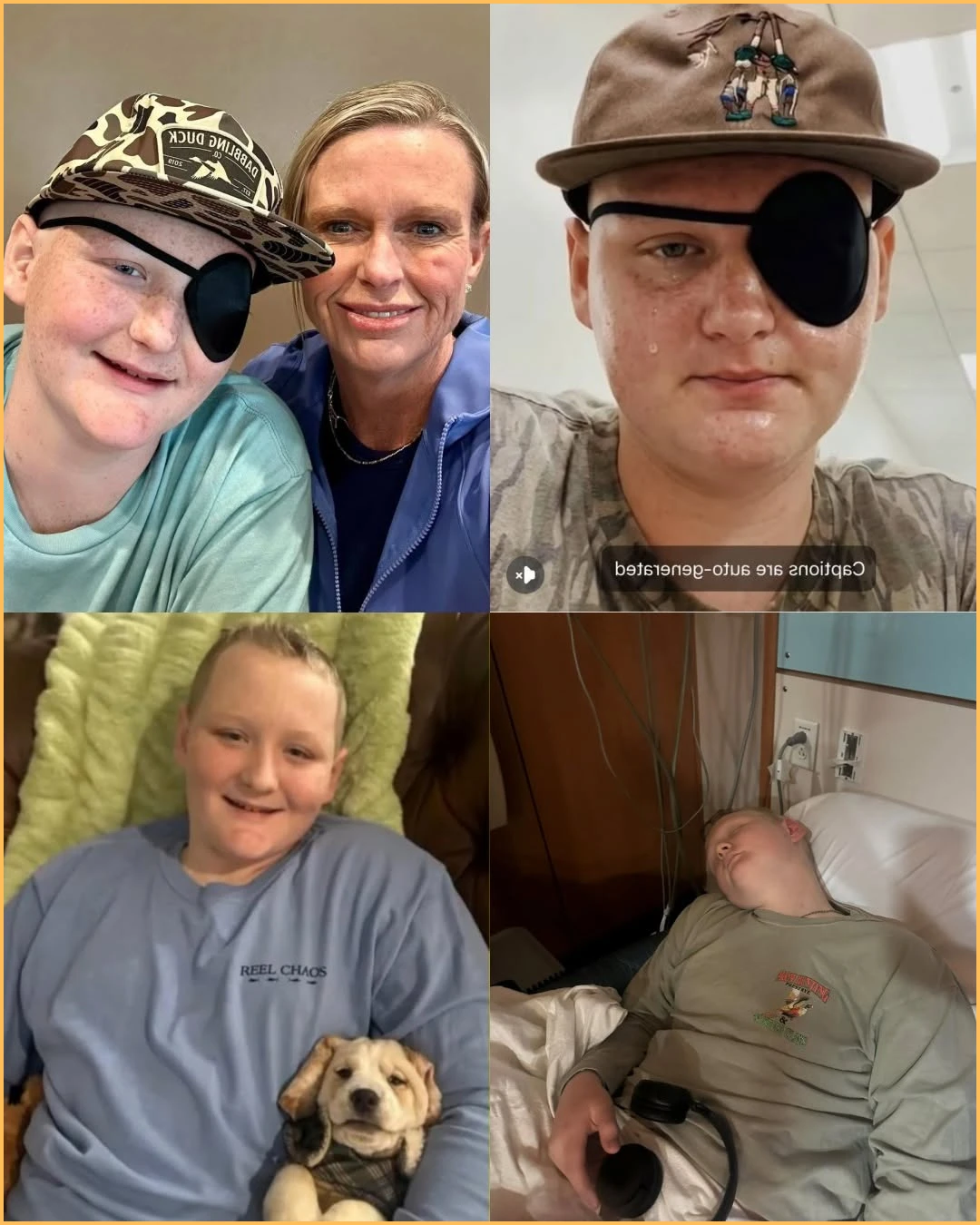
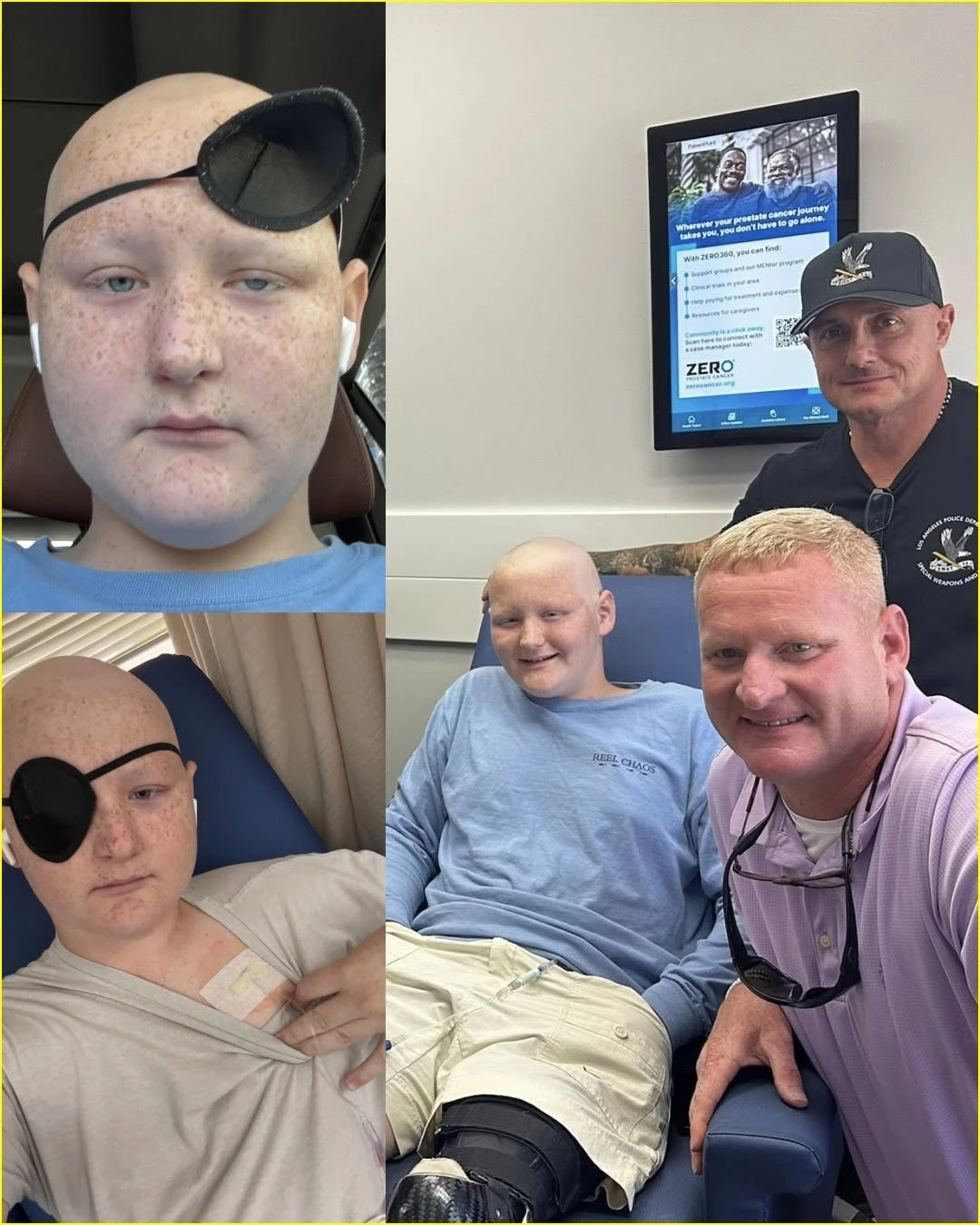
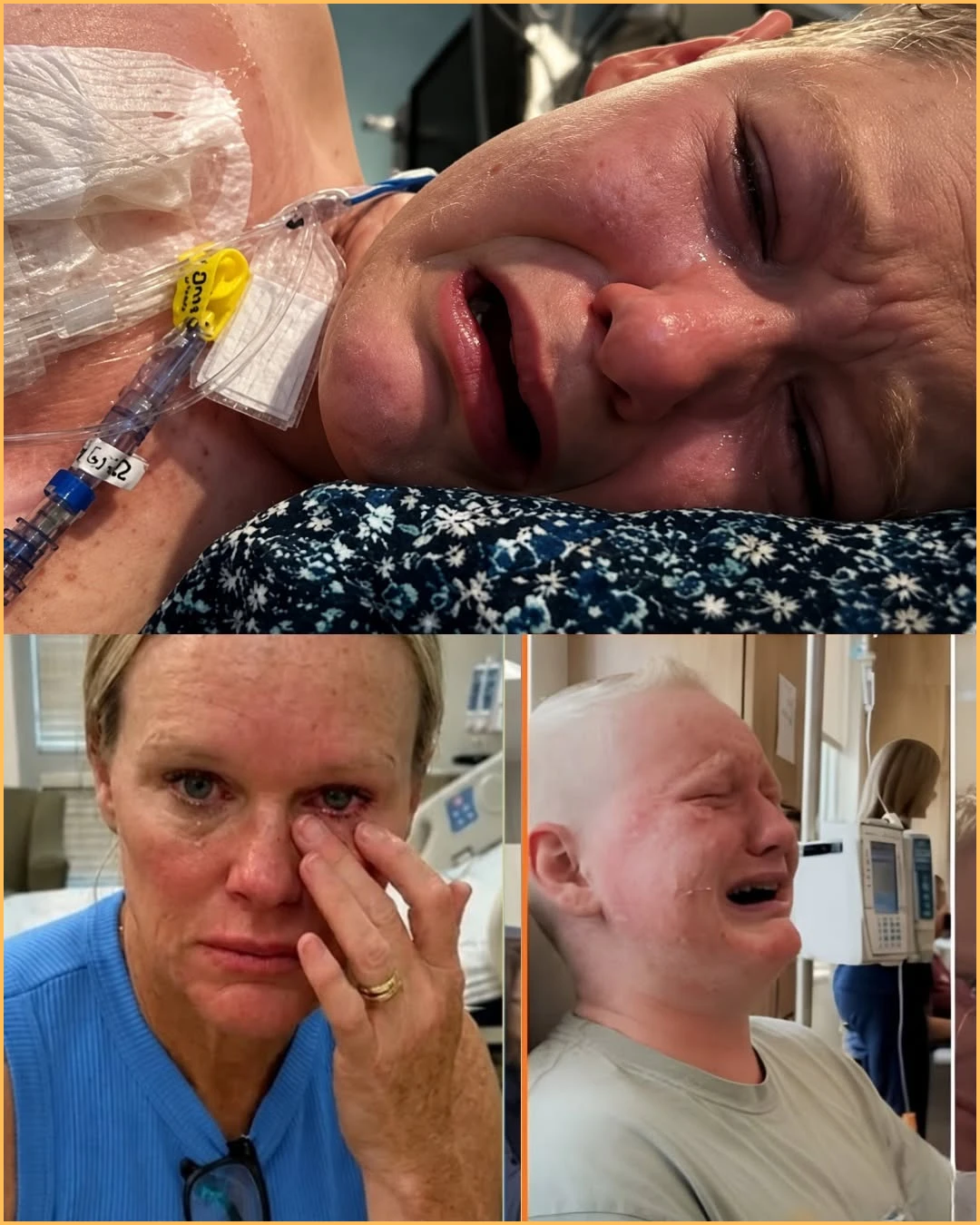
For Brittney Roberts, that moment came after eighteen relentless months beside her 15-year-old son, Will, as he fought bone cancer with a strength that reached far beyond the walls of his hospital room.
His illness had turned ordinary time into something measured differently.
Days were counted by appointments, scans, medication schedules, blood tests, difficult conversations, and the cautious expressions on doctors’ faces. Nights were marked by alarms, whispered prayers, changing numbers on screens, and the quiet sound of a mother asking God for one more morning.
Through every setback, Brittney stayed close.
She learned to understand the smallest movements in her son’s face. A tightening around his eyes could mean pain. A faint smile could mean he was trying to protect everyone else. A pause before answering could reveal exhaustion he did not want to admit.
Will was still a teenager, but illness had forced him into a world no child should have to know.
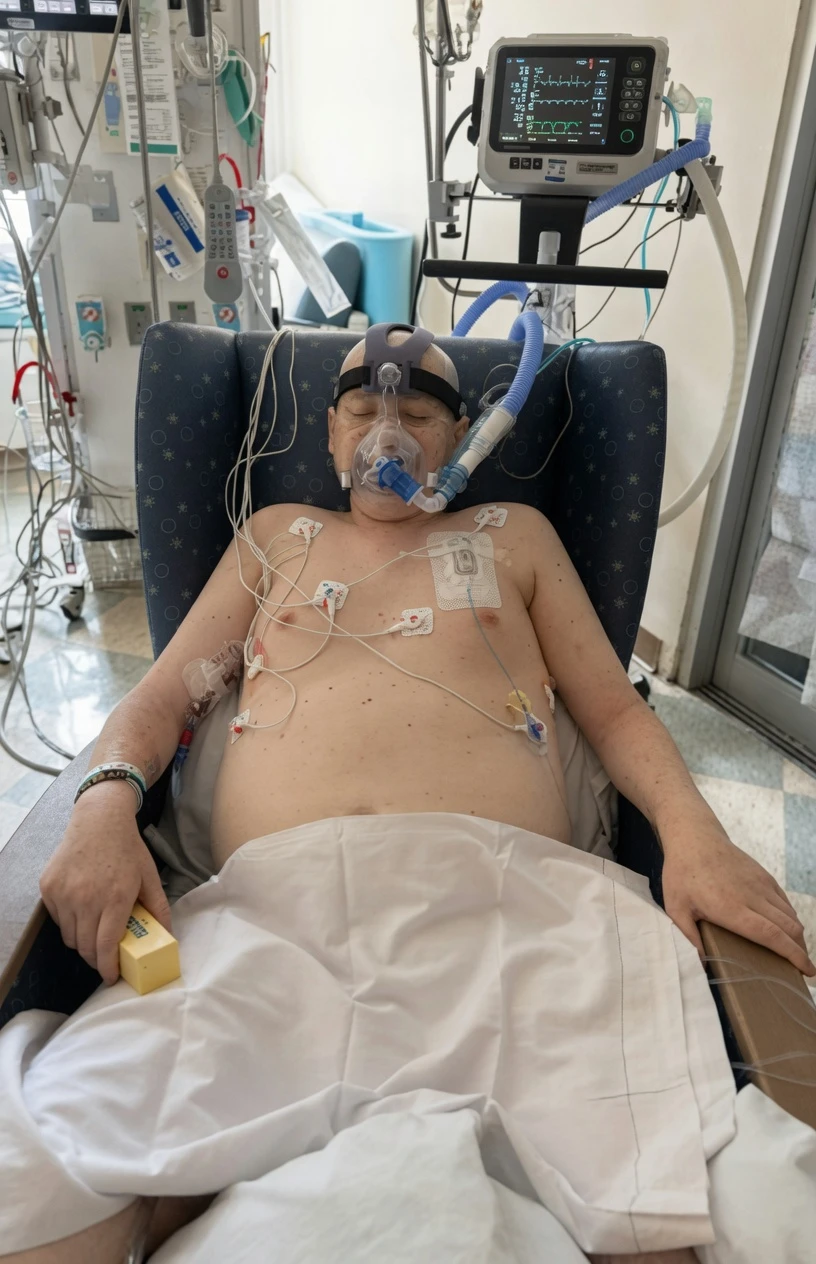
He understood hospitals too well. He knew how quickly plans could change after a scan. He recognized the language adults used when they were trying not to frighten him. He could hear the difference between reassurance and uncertainty, even when no one said the truth directly.
Still, he continued to inspire those around him.
Not because he never felt afraid.
Not because he never grew tired.
His courage came from the fact that he kept facing each day even when fear and weariness were both present.
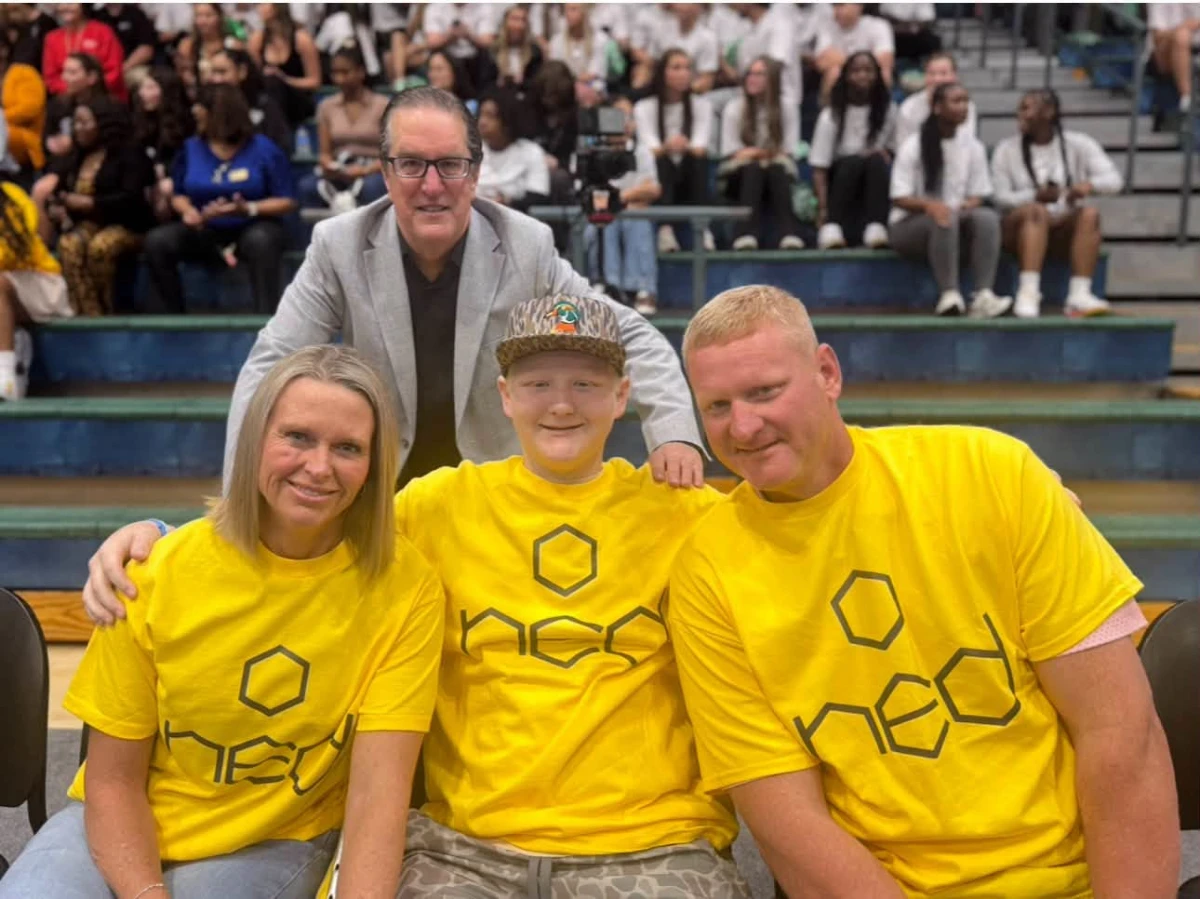
People followed his journey from far away. They prayed for him, shared his story, and spoke of his remarkable faith. Many had never met him, yet they felt as though they knew something important about his heart.
He became known as a warrior.
But to Brittney, he was never a symbol.
He was her son.
He was the boy whose voice she recognized in a crowded room, whose childhood memories lived in every corner of home, and whose smallest habits had become part of the rhythm of her own life.
She remembered the ordinary version of him that existed before medical words took over their conversations.
The laughter.
The teasing.
The meals eaten without fear of test results.
The days when tomorrow felt guaranteed.
Cancer did not only threaten Will’s body. It invaded the family’s sense of time, certainty, and future.
Yet love remained.
It appeared in the way relatives took turns beside the bed. It lived in messages from strangers, in prayers sent from different states, and in every person who refused to let the Roberts family feel abandoned.
Most of all, it remained in the unwavering presence of a mother who would have carried every ounce of her child’s suffering if she could.
Brittney would have traded places without hesitation.
Any parent would understand that instinct.
A mother does not calculate fairness when her child is hurting. She simply wants the pain transferred somewhere else, preferably into her own body, where she believes she could bear it better.
But there was no exchange available.
All she could do was stay.
So she remained through procedures that seemed endless, through nights when Will could not rest, and through moments when the family had to listen to medical information no parent ever wants to hear.
There were days that brought cautious hope.
A stable number could feel like a victory. A peaceful hour could become a reason to celebrate. A brief return of appetite, a conversation, or a familiar expression could lift an entire family.
Then came the harder periods.
Those stretches demanded a different kind of strength.
Hope no longer arrived naturally. It had to be chosen, sometimes minute by minute.
The Roberts family prayed for healing in the form they desperately wanted: recovery, renewed strength, and a return home.
They imagined Will leaving the hospital doors behind.
They pictured him stepping into the future that cancer had interrupted.
They wanted years.
They wanted ordinary problems.
They wanted the privilege of worrying about school, growing up, and everything that should have come next.
Instead, the final chapter approached quietly.
There is often no single dramatic moment when a family understands that the journey has changed. Sometimes the realization comes in pieces—a look between doctors, a change in treatment, a gentler tone, or the sudden absence of plans for the next week.
The fight becomes less about defeating disease and more about protecting dignity.
More about comfort.
More about presence.
More about making certain that the person you love is not alone.
As Will’s body grew weaker, the room around him became a place where grief and faith existed side by side.
Family members held his hands.
Prayers were spoken in trembling voices.
Every breath felt precious because no one knew how many remained.
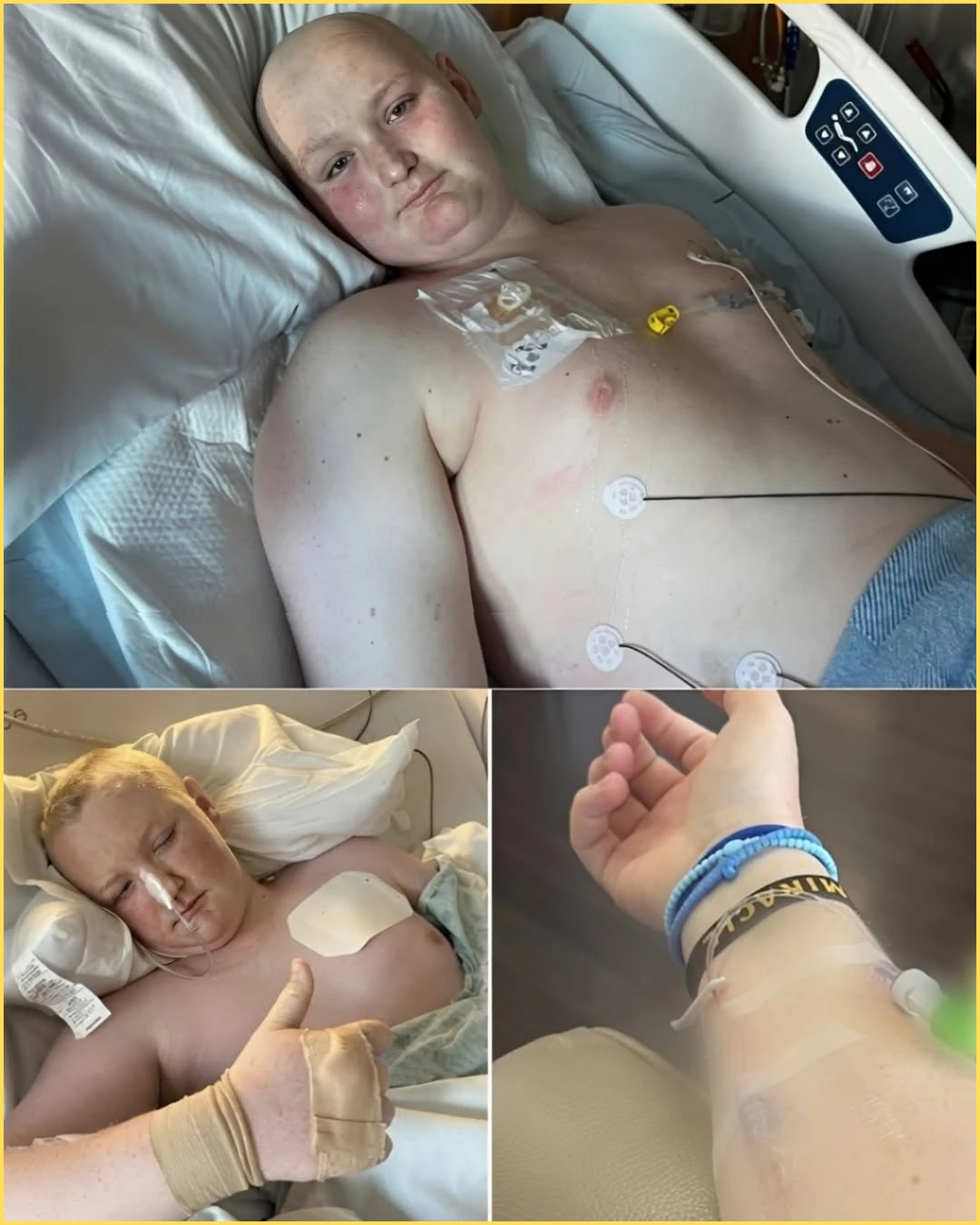
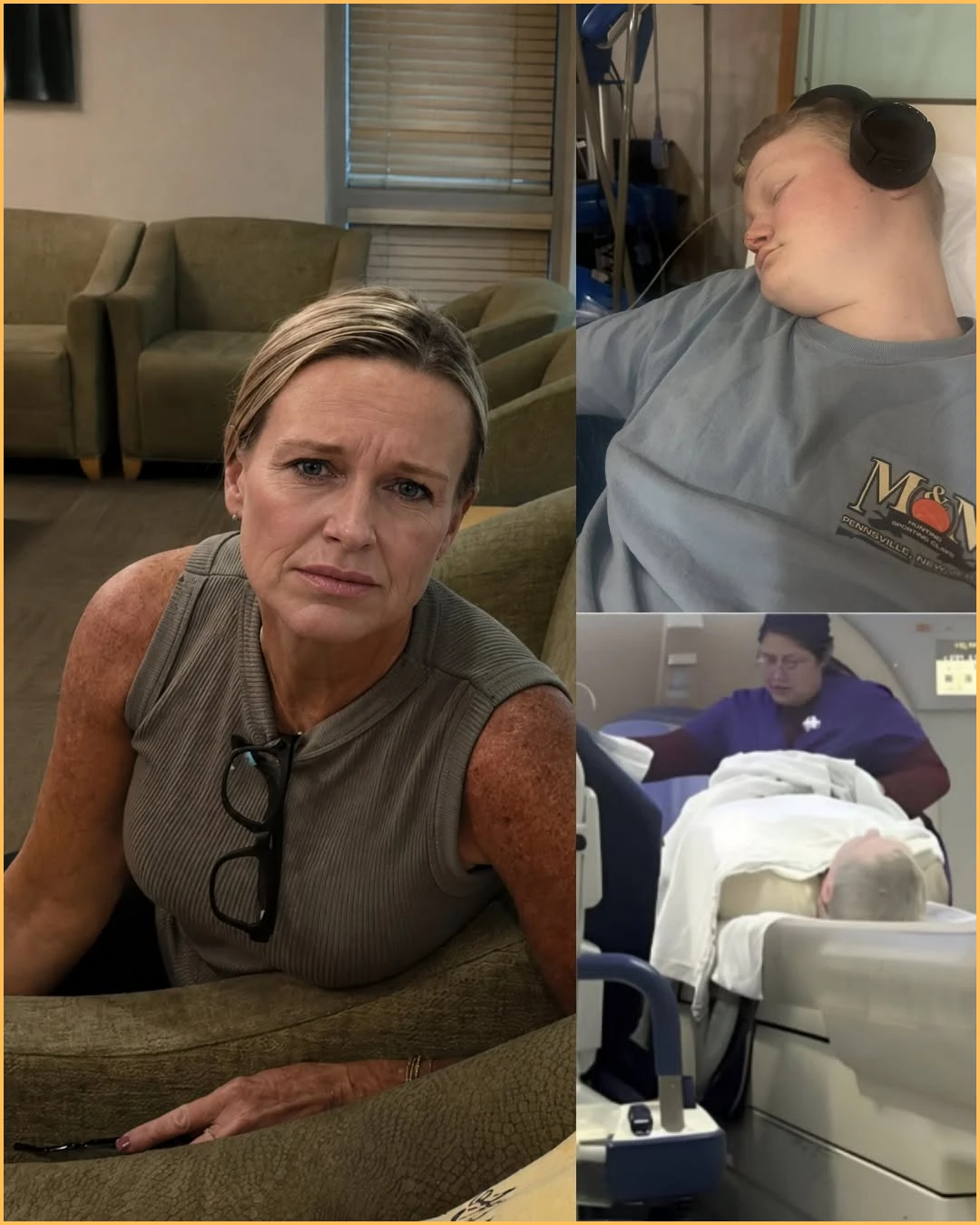
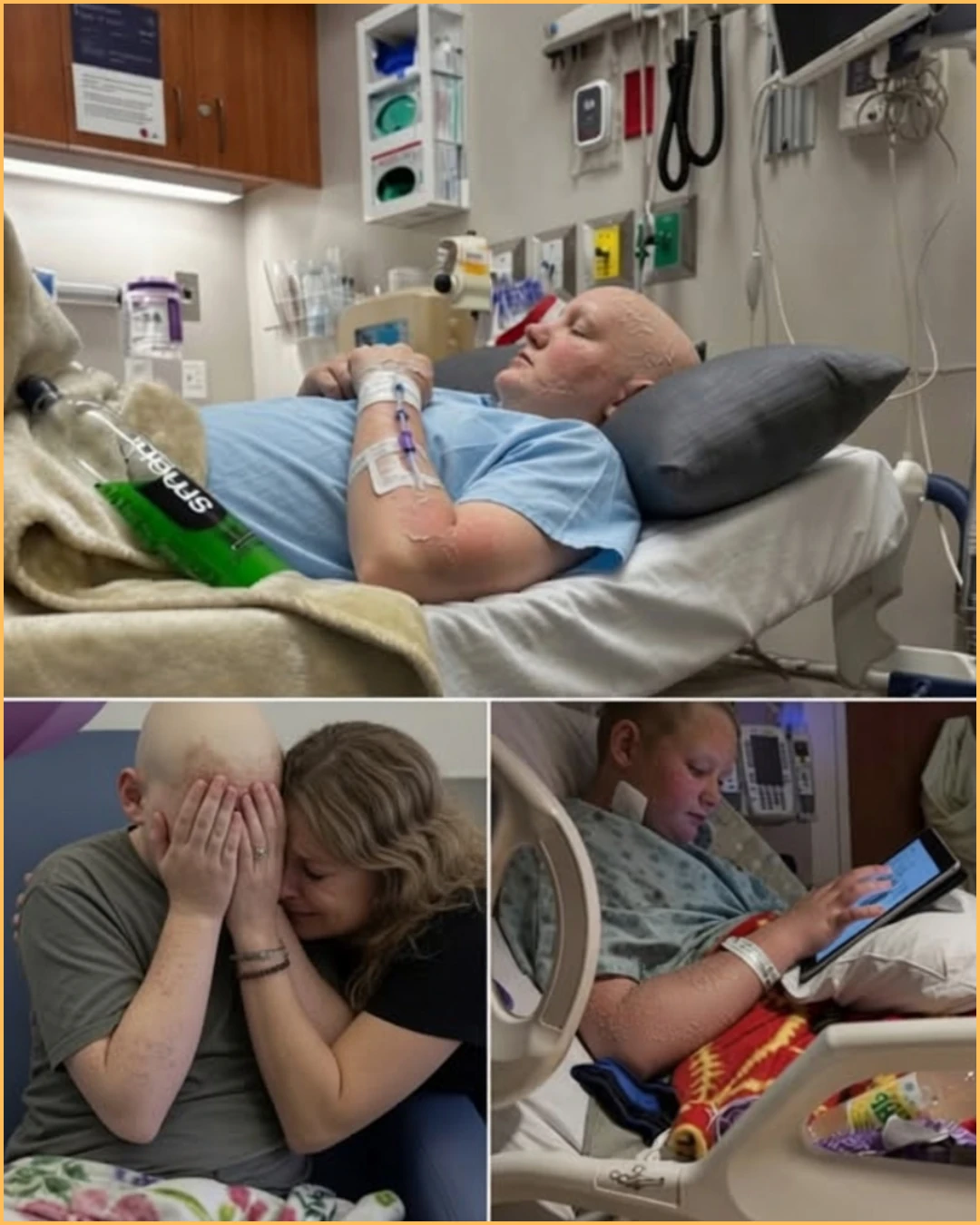
Brittney watched the boy she had once carried in her arms now resting in a hospital bed, his body exhausted by a battle that had demanded far too much from him.
No mother is meant to witness such a sight.
She is supposed to watch her child outgrow shoes, celebrate birthdays, leave for school, and slowly become independent.
She is not supposed to count breaths.
She is not supposed to memorize the sound of machines keeping rhythm in a room.
She is not supposed to wonder whether the next touch will be the last one her son feels.
Yet Brittney stayed close enough for Will to know he was surrounded by love.
That mattered.
Whatever fear he carried, he did not carry it alone.
The people who had walked with him through treatment remained with him as the long struggle neared its end.
Then the hour came when everything changed.
The medical room that had been filled with motion grew still.
The sounds that had become familiar began to disappear.
There are few silences more devastating than the quiet that follows a child’s final breath.
For eighteen months, the family had lived in constant tension, waiting for results, responding to complications, and searching for the next possible path.
Suddenly, there was nothing left to decide.
No next appointment.
No new treatment.
No additional plan.
The battle had ended.
Brittney looked at her son and faced the truth every part of her had resisted.
She could no longer ask him to keep fighting.
Love had carried them through every possible option. Now that same love required something that felt almost impossible.
It required release.
And from somewhere inside a heart breaking beyond words, she whispered:
“Come home, my son.”
Those words did not mean the house waiting beyond the hospital.
They did not mean the bedroom filled with his belongings or the familiar life everyone had begged to recover.
They meant something deeper.
They were the words of a mother surrendering her child into the care of Heaven because his body had endured enough.
For months, she had pleaded for him to remain.
Now she was giving him permission to rest.
There is a kind of love that holds on with everything it has.
There is another kind that finally loosens its grip because continuing to ask someone to stay would mean asking them to suffer longer.
Brittney’s final words held both.
They carried the entire history of motherhood—the instinct to protect, the refusal to abandon hope, and the terrible courage required to say goodbye.
At 12:45 a.m., Will’s journey ended.
The cancer that had taken so much could no longer touch him.
It could not cause another painful night.
It could not steal another breath.
It could not demand one more procedure from a boy who had already given more than anyone should ever have to give.
For his family, the loss was immeasurable.
The chair beside the bed would soon be empty.
The room would be cleared.
The machines would be removed with the gentle efficiency hospital workers learn to carry in moments of profound sorrow.
Outside, the world continued.
Lights remained on in neighboring rooms. Elevators opened and closed. Cars moved through the darkness. Somewhere, people laughed without knowing that a family’s world had just changed forever.
Grief often begins in that strange contrast.
The person you love is gone, yet everything around you continues as though the earth has not shifted.
Brittney had entered the hospital as a mother fighting for her son’s survival.
She would leave carrying memories, faith, and an absence too large to understand.
Still, amid the devastation, one truth remained.
Will was free.
That belief did not soften the emptiness of the bed.
It did not erase the future his family had lost.
It did not change the reality that a 15-year-old life had ended before it could unfold.
But it offered a place for love to rest.
His family had prayed for healing.
It did not arrive in the form they had envisioned.
They had imagined restored health on Earth, more birthdays, and years beyond the hospital.
Instead, their faith asked them to believe that restoration had come somewhere beyond their sight.
Completely.
No more exhaustion.
No more medical fear.
No more body weakened by disease.
No more nights filled with pain.
In Heaven, Brittney believed, her son was not defined by illness.
He was whole.
That conviction became one of the few things strong enough to exist beside the grief.
Will’s story would not be reduced to cancer.
The disease may have shaped the final eighteen months of his life, but it could not claim the meaning of who he was.
He would be remembered for his kindness when he had every reason to be angry.
For the faith he held during uncertainty.
For the way he gave courage to strangers.
For the love he showed his family, even while they were trying to remain strong for him.
True bravery is not always loud.
Sometimes it is simply opening your eyes to another difficult day.
Sometimes it is enduring a procedure while offering a smile to the person beside you.
Sometimes it is choosing gentleness when pain could have made bitterness understandable.
Will’s courage lived in those moments.
His legacy did not begin when his life ended.
It was built in every day he continued to love, believe, and remain himself while illness tried to consume everything else.
For Brittney, the days ahead would be filled with reminders.
A photograph could return her to another year.
A song could reopen a memory.
A quiet hallway at night could make her expect the sound of his voice.
Birthdays would never feel the same.
Midnight would carry a different meaning.
The phrase “come home” would forever hold two worlds inside it.
Grief would not move in a straight line.
Some mornings might begin with acceptance and end in tears. Others might bring an unexpected memory that felt almost like a visit.
A mother does not stop loving her son when she can no longer see him.
That love changes form.
It becomes remembrance.
It becomes testimony.
It becomes the courage to say his name when silence would be easier.
It becomes faith in a reunion she cannot yet reach.
Brittney’s words were not a surrender to defeat.
They were the final act of a mother who had walked beside her child as far as she was allowed to go
At the edge of that journey, she could not follow him.
All she could do was release him into the place she believed pain could never enter.
“Come home, my son.”
Within that sentence was every hospital night, every prayer, every desperate hope, and every ounce of love she had carried since the day he was born.
It was farewell.
It was permission.
It was faith.
And it was a promise that although Will’s physical struggle had ended, the love between mother and child had not.
He was no longer in the hospital room.
He was no longer beneath the weight of cancer.
But he remained in the lives he had touched, in the people who had prayed for him, and in the heart of the mother who stayed until the final breath.
One day, Brittney believed, “come home” would no longer mean goodbye.
It would mean reunion.
Until then, she would carry the boy the world called a warrior as she had always carried him—not only through stories of illness, but through memories of laughter, tenderness, courage, and the life he gave to those who loved him.
Will Roberts’ battle ended at 12:45 a.m.
His impact did not.
Cancer may have taken his strength, his time, and the future his family had imagined.
It could not take the faith that surrounded him.
It could not erase the love he left behind.
And it could never silence the words his mother whispered as she entrusted her precious son to Heaven:
“Come home, my son. You have fought long enough.”